
Inside: How To Get Rid Of These 12 Garden Pests. Collaborative post.
Maintaining a beautiful flourishing garden can come with its challenges. One of those challenges is keeping pests away. Pests can be annoying in many different ways: some will destroy your plants, some will bite and sting and others will chew through the contents of your shed.
Different types of pests will require different types of deterrence measures. This post takes a look at 12 common pests you may encounter in your garden and how to keep them away.

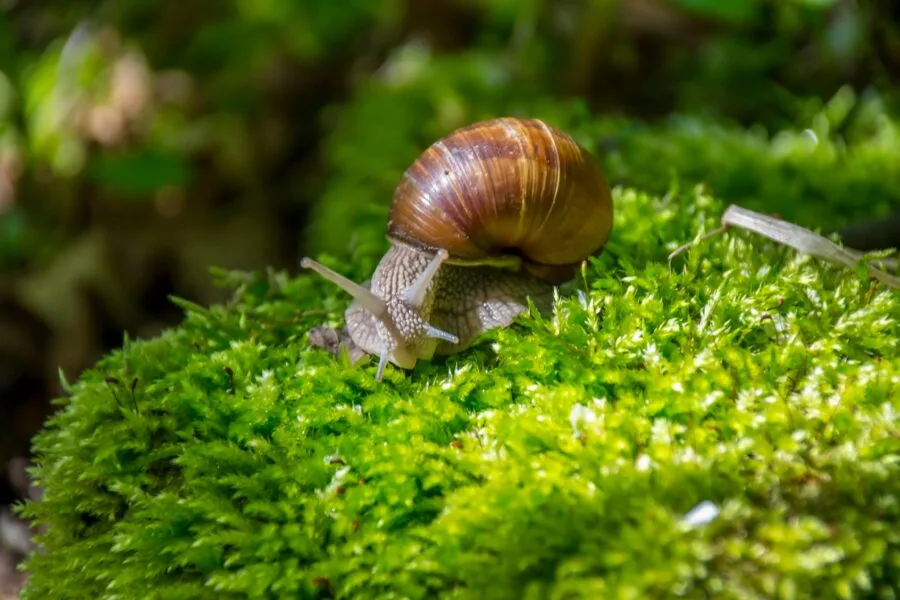
Photo by AS Photography
Slug
Slugs can quickly eat through a vegetable patch and are a great bane to many gardeners. They tend to come out at dusk – especially when it’s been raining. Come out at the right time and you may be able to get rid of them before they cause damage. Alternatively, you can create physical barriers around your plants made of materials like crushed eggshells, or set up beer traps to catch them.
Snails
This shelled relative of the slug can cause a similar amount of damage to your veggies, and is repelled in many of the same ways. Handpicking snails at dusk is typically easier than handpicking slugs (who wants to pick up a slug?) and is an effective way to get rid of them. You can also create barriers out of various substances including lines of salt or copper strips.
Aphids
These tiny green bugs shouldn’t be underestimated – an infestation of them can quickly eat through every plant in your garden! In most cases, aphids are kept under control by other bugs like ladybugs and earwigs. Not got any ladybugs or earwigs in your garden? Another deterrence you can use is to spray any plants containing aphids with soapy water. This can deter many other types of bugs too.
Caterpillars
We’ve all read The Hungry Caterpillar, right? Although these insects can be quite cute and turn into beautiful butterflies, they need to be kept under control, as they will eat through everything. Handpicking them is one way to get rid of them. Alternatively, consider organic pesticides like Bacillus thuringiensis (Bt) – this will get rid of caterpillars, while leaving other beneficial insects unharmed.
Whiteflies
Greenhouse owners need to watch out for whiteflies. These miniscule plant-eating white bugs love the humid conditions of these spaces and quickly devour all your plants. Placing yellow sticky traps throughout your greenhouse is a great way to catch these critters, while you can also deter them by spraying them with soapy water from a spray bottle. Keeping your greenhouse well ventilated during the day may also help.
Leaf miners
Leaf miners are microscopic insect larvae that live inside the tissue of leaves. As they burrow around, they create trails in the leaf. Snipping off infested leaves can prevent them moving to other parts of a plant. Using row covers may also help to prevent insects from laying eggs on your plants – stopping leaf miners from taking hold.
Ants
Ant hills in lawns can be unsightly. Ants also damage roots of other plants – especially large infestations. On top of this, ants are also known to ‘farm aphids’, which involves protecting aphids from predators in order to harvest the honeydew they create. Having some ants in your garden is inevitable, but small amounts of ants generally won’t cause harm. Ants become a problem when there are multiple nests of them. In these cases, consider creating ant bait made from sugar and borax (not recommended if you have pets).
Wasps
Believe it or not, but wasps can be beneficial to your garden – they are known to catch aphids and caterpillars and feed them to their young. That said, nobody really wants a wasp infestation in their garden. Lots of wasps are usually a sign that there is a nest nearby. Once you find the nest, consider calling up pest control companies to remove it. This is much safer than trying to remove a nest yourself. To help deter wasps, consider hanging up a decoy nest, or create a wasp trap using sugar or fruit juice.
Mosquitoes
Mosquitoes are another pest that won’t damage your plants, but that can still be a nuisance purely for the fact that they bite. To prevent mosquitoes nesting in your garden, get rid of any sources of still water such as half-empty watering cans or unfiltered ponds. Mozzies lay their eggs in still water, which is why getting rid of still water is key to controlling them. You can also potentially repel mosquitoes by growing plants like citronella (mozzies don’t like the scent).
Mice
Mice can sometimes nest in sheds, where they will destroy everything in order to build their nest. While they are good at hiding, you can usually tell they have been somewhere due to the chew marks and droppings. Fortunately, there are many different ways to deter mice. Laying mouse traps is one way to get rid of them, while sonic rodent repellers can be a more humane solution. Certain scents may also keep away mice.
Rats
These fellow rodents are larger than mice and cause even more damage. You can similarly get rid of them by laying traps or using sonic repellers. Hiring pest control services may be the best solution when dealing with large infestations of rats – especially if they’ve started entering your home.
Squirrels
Yes, squirrels can be a pest. They are known to dig up plant bulbs and raid bird feeders. Growing plants like mint may help to deter these busy-tailed pests. To protect your bird feeder, you can meanwhile use a device known as a squirrel baffle. Sonic repellers may also help to deter squirrels.
Conclusion
There are many other potential pests that can raid your garden, but these are just some of the most common ones you will find in a UK garden. By employing some of the deterrence methods outlined above, you can keep your garden a pest-free zone. Just remember to consider the impact that some pest control methods may have on friendly garden visitors or pets – you do not want to end up harming them.