
Inside: Dog Care Pays Off When Your Dog Gets Older. Collaborative post.
When my dog was younger, I honestly thought good dog care mostly meant the obvious things. Food, walks, vaccinations, toys, regular baths, and occasional vet visits felt like enough. And for a while, it probably was.
But once dogs start getting older, you suddenly realize how much the smaller habits matter too.
The way they move changes. Their joints stiffen more easily. Sleep patterns shift. Digestion becomes more sensitive. Anxiety sometimes increases. They recover more slowly after activity, and little disruptions that never mattered before suddenly affect them much more noticeably.
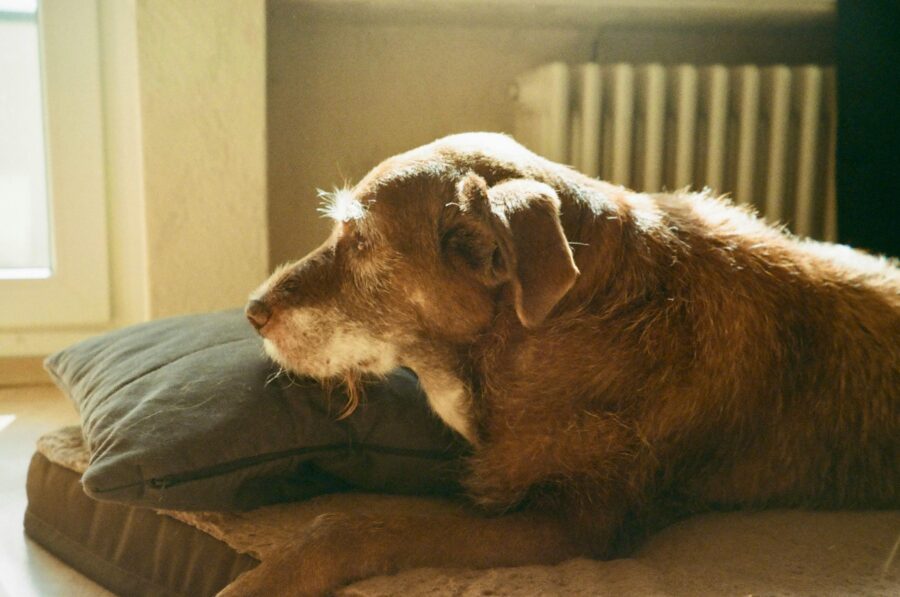
Photo by Rufina Rusakova
I think a lot of dog owners quietly experience this shift without fully expecting it. You spend years focused on the fun, energetic phase of dog ownership, then one day you realize your dog is entering an entirely different stage of life where consistency, comfort, and support become far more important.
Lifestyle and family-focused publications talk about pets less like accessories and more like long-term family companions whose needs evolve significantly with age.
I Finally Realized Consistent Dog Care Actually Matters Long Term
I used to think occasional help with dog care was mostly for emergencies or vacations. Now I understand it differently.
As my dog got older, I realized consistency became one of the most important parts of keeping him comfortable. Familiar routines, calmer environments, regular walks, predictable feeding, and lower stress levels all started affecting him more than they did when he was younger.
That is also when I finally decided to use professional dog care support properly instead of only relying on last-minute favors from friends or neighbors.
What surprised me most was how flexible modern dog care has become. A lot of people still imagine boarding kennels as the only option, but now there are services available for all kinds of situations. Some people use short daytime care during travel stops. Others need several days of home support while away. Some owners simply need occasional help during work schedules or family events.
While researching more reliable options, I eventually came acrossYourgiPet because they offer different types of pet care support and locations across the States depending on what owners actually need, whether that means short-term help during travel, overnight care, or longer home-based routines for older dogs.
And honestly, having dependable support became much more valuable once my dog stopped being young.
Older Dogs Handle Change Differently
One thing veterinarians mention often is that older dogs generally adapt more slowly to disruption.
Changes in routine, unfamiliar environments, loud spaces, irregular feeding, or inconsistent care can affect senior dogs much more strongly than younger dogs. Some become anxious more easily, while others simply seem physically exhausted after too much stimulation.
And aging dogs have greater sensitivity to stress, sleep disruption, and environmental instability. That is why consistent care routines become so important later in life.
Joint Health Starts Showing Up In Everyday Life
One of the first changes many owners notice with aging dogs is movement.
Maybe your dog hesitates before jumping onto the couch. Maybe stairs suddenly seem slower. Maybe long walks become shorter without you even realizing it at first.
Joint stiffness and mobility changes become extremely common as dogs age.
Weight Management Matters More Than Before
Veterinarians emphasize healthy weight management for older dogs because even small amounts of extra weight place additional pressure on aging joints.
Exercise still matters, but movement often needs to become more controlled and consistent rather than overly intense but still obesity significantly increases mobility stress in senior dogs.
This is one reason regular walking routines remain important even when dogs become less active overall.
Sleep And Comfort Become Bigger Priorities
One thing I noticed as my dog aged was how much more sleep he needed.
Older dogs often spend longer periods resting during the day, and many become more selective about where they sleep comfortably. Hard flooring, colder temperatures, or overly active environments may affect them much more than before.
Anxiety Can Increase With Age
Aging dogs sometimes become more emotionally sensitive too.
Some experience increased separation anxiety, confusion, noise sensitivity, or clingier behavior as they age. There are also cognitive changes in senior dogs that may affect sleep, orientation, and stress regulation.
This is another reason familiar routines and calm environments matter so much later in life.
Preventive Care Becomes Much More Important
When dogs are young, many owners naturally focus mostly on obvious illness or emergencies. As dogs age, preventive care becomes far more important than reactive care alone.
Regular checkups, dental care, mobility monitoring, nutrition adjustments, hydration, and behavioral observation all become valuable.
Dental Health Affects More Than Breath
Dental problems are especially common in older dogs and often affect much more than people realize.
Untreated dental disease may contribute to pain, appetite changes, inflammation, and broader health complications over time.
Many owners do not realize how strongly dental discomfort can quietly affect older dogs until treatment improves behavior and energy afterward.
Travel Feels Different With Senior Dogs
Travel changes too once dogs become older.
You start thinking more carefully about long drives, temperature conditions, unfamiliar spaces, bathroom routines, medication schedules, and where your dog will stay comfortably if you cannot bring them along.
That is one reason flexible dog care support becomes so useful.
Short-Term Care Helps During Everyday Situations Too
One thing I did not expect is how often occasional short-term dog care becomes helpful even outside vacations.
Appointments, family events, work travel, weddings, home repairs, hospital visits, or even long errands sometimes become harder to manage with an older dog needing more consistency.
Having reliable care available nearby removes a surprising amount of stress for owners.
Nutrition Changes As Dogs Age
Senior dogs also often need dietary adjustments over time.
Protein balance, calorie intake, digestion sensitivity, hydration needs, and supplement support may all shift gradually with age. Some older dogs develop sensitivities they never had when younger.
Hydration Matters More Than Many Owners Realize
Veterinarians monitor hydration closely in older dogs because dehydration may affect kidney function, digestion, energy, and recovery much more quickly in aging animals.
Consistent access to fresh water and regular routines become important.
Aging Dogs Need Stability More Than Perfection
One thing I think people misunderstand about senior dog care is that it is not about creating some perfect lifestyle.
Most older dogs simply benefit from predictability, gentleness, consistency, and attentive care more than anything complicated.
Regular routines, calmer environments, familiar people, moderate activity, proper nutrition, and dependable support systems often matter much more than expensive accessories or elaborate treatments.
And honestly, that is where good dog care really starts paying off.
Because when your dog gets older, you realize all those consistent habits quietly shape how comfortably they move through the final years of their life.