
Inside: Why Genre and Instrument Choice Are More Connected Than People Think. Collaborative post.
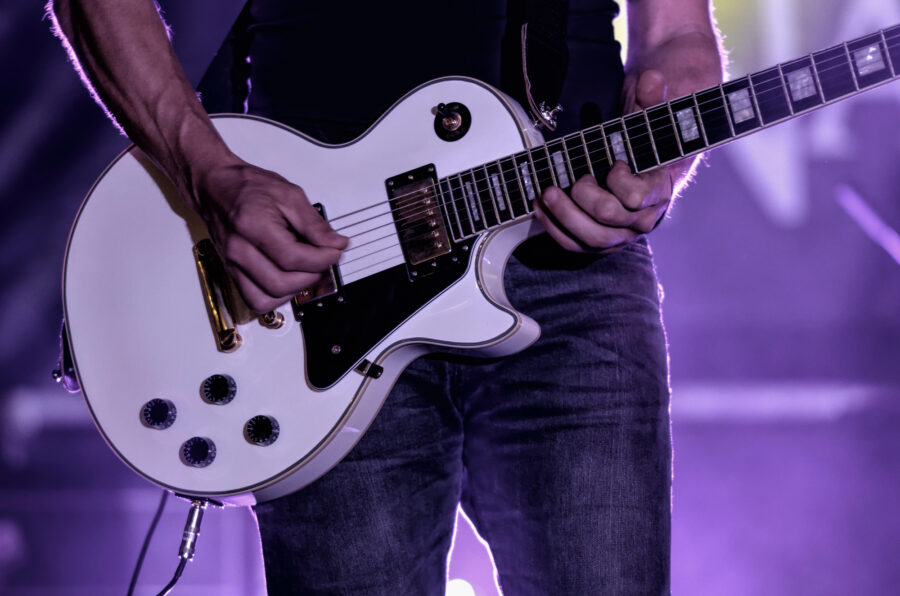
It is common for people to think they select an instrument first and genre second. The truth, as they say, is often the reverse. The genre a musician likes determines which instruments they want to play, what sounds they want to make, and what physical and technical challenges they want to overcome. Genre pulls players toward instruments with a gravitational force that operates largely below conscious awareness, and understanding this connection changes how musicians think about their choices and why. The Gibson ES-339 is not coincidentally associated with certain genres of music. It got there because the instrument’s character is more than just a matter of genre.
How Genre Creates Instrument Expectations
All genres have certain sound expectations that are built up over years of recordings, performances and cultural experiences. When these expectations include prominent use of instruments, young musicians learn the association before they have even picked one up. A person who becomes interested in jazz through landmark recordings will learn to listen to the sound shaped by the particular instruments used to produce it. Their instrument and music choices are inextricably linked in their mind before they make an instrument choice.
This preconceived notion means that the choice of instrument is not always as objective as it seems. The musician selecting a hollow-body instrument for jazz is as much responding to the genre-defining expectations as to a rational evaluation of the instrument’s merits.
The Blues and Its Instrument Vocabulary
Blues music established deep connections between particular instruments, techniques, and sounds that are maintained by many of the genre’s modern offshoots. The blues connotation of resonator guitars, slide playing, certain types of amplifiers and pickups is so strong that when we hear them, we hear blues, even if the music is technically different.
Musicians with an interest in blues find that, in seeking to express the genre, they are drawn to these instruments because they are integral to it. Playing blues on instruments normally used for other genres sounds technically like blues, but it doesn’t feel right in the same way that players and listeners intuitively recognise.
Semi-Hollow Instruments and the Genres They Inhabit
Semi-hollow body instruments provide a tonal balance that is particularly suited to certain genres. The feedback control afforded by the centre block, the acoustic response, and the warmth of the hollow body combine to produce a tone perfectly suited to jazz, blues, soul, and the genres that lie in between.
The Gibson ES-339’s small size and rich tones have made it a popular choice across these genres and their subgenres. Musicians whose playing encompasses genres within this spectrum find that the instrument’s character suits their playing in ways that solid-body instruments approximate but don’t quite match. Genre attracted them to semi-hollow construction because the music they played was shaped by it.
Country, Twang, and Instrument Specificity
Country music has a particular sound that has developed around the characteristics of certain instruments: the attack and decay of a Telecaster-style guitar through a clean amp, a clear flat-picked acoustic, and the twang of a pedal steel. These sounds are so integral to country music that they are almost defining traits.
Musicians drawn to country music swiftly learn that seeking the genre’s distinctive sound leads them to some instruments and away from others. A musician with a rock background may discover that their instrument setup works for some features of the genre but not others, without additional instruments.
Genre Fusion and Instrument Collision
The most exciting music today is often created by colliding genre expectations with instruments that are simultaneously associated with multiple genres. A musician mixing jazz harmony with digital effects on a semi-hollow instrument sets the instrument’s acoustic qualities against the sound’s digital qualities.
These collisions create an interesting space for creativity by pitting genre associations against each other through the instrument. Knowing why certain instruments are associated with certain genres makes these collisions more deliberate and musically interesting than random combinations achieved without knowledge of the history being subverted.