
Inside: Why Autumn Is the Perfect Time to Start a New Family Tradition in the Garden. Collaborative post.
There is something about autumn that always makes me want to hit the pause button. The chaotic summer holidays are a distant memory, the kids have finally settled back into their school routines, and suddenly we’re greeted by cosy evenings, hot drinks, and weekends that don’t actually need to be packed with expensive plans. It’s the one season that beautifully reminds us to find joy in the slow, simple things—whether that’s baking a comforting crumble, wrapping up for a crisp woodland walk, or spending an hour outside together before the winter frost sets in.
Lately, one ritual we’ve made real time for is planting for the months ahead. Diving into the options for autumn planting garlic completely changed how I look at our outdoor space. Instead of viewing autumn as the depressing end of the growing year, it suddenly became the first chapter of next year’s story. That is a brilliant, grounded lesson for children to experience firsthand.
You don’t need a massive, pristine garden or years of horticultural expertise to get stuck in, either. At its heart, it’s just about stepping outside as a family and creating memories that grow right alongside whatever you’ve tucked into the soil.

Reclaiming Our Slower Weekends
Modern family life constantly demands that we hurry up. Between the school runs, after-school clubs, work deadlines, and a never-ending mountain of housework, weekends have a habit of vanishing before we’ve even had a chance to breathe. That’s exactly why I’ve come to treasure simple activities that force us to slow down for an hour or two.
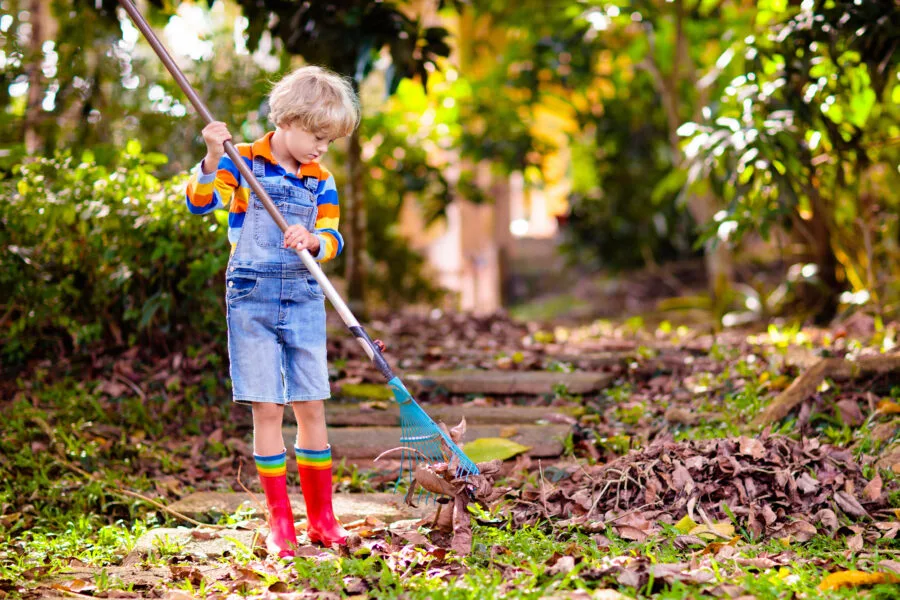
Gardening has quietly become our ultimate reset button. There’s something incredibly therapeutic about pulling on a pair of old boots, chatting away while digging a few small holes, and letting the kids get absolutely caked in mud without stressing over the mess. We aren’t trying to build a Chelsea Flower Show display here; we’re just enjoying a solid block of time together where nobody is staring at a screen.
Teaching Patience in an On-Demand World
Children today are growing up in a world of total instant gratification. Movies stream with a single tap, messages land in half a second, and answers to any question are just a quick voice-command away. The garden offers the perfect antidote to that.
When you push a bulb of autumn planting garlic into the earth, nothing dramatic happens by the next morning. The garden looks exactly the same. Through this, kids learn a gentle, real-world lesson: good things take time. They begin to realize that even when the soil looks empty and frozen, roots are busy growing in the dark, and that consistent, quiet care eventually leads to amazing results down the line. It’s a wonderful way to teach patience without it feeling like a lecture.
The Magic of a Quick Reset
Whenever our household starts feeling a bit overwhelmed or fractious, getting everyone out the back door usually fixes it. It doesn’t need to be a massive, orchestrated family day out; twenty minutes in the fresh air is often all it takes to completely reset everyone’s mood.
Once their hands are in the dirt, the kids naturally start bubbling over with questions: Why do worms love the soil? Why are the leaves turning bright orange? How do these plants survive the freezing cold? Without even realizing it, they are absorbing lessons about science and the environment simply by being a part of it.
Building Traditions That Actually Stick
When I look back at my own childhood, it’s rarely the flashy, expensive trips that stand out in my mind. Instead, I remember the simplest traditions—picking wild blackberries from the brambles, diving into massive leaf piles, and helping my parents pot up plants. Those ordinary afternoons are the ones that somehow turn into lifelong memories.
As parents, we face a lot of pressure to organize elaborate, Instagram-worthy experiences, but kids actually value consistency far more than extravagance. Planting together every single autumn is a tradition that quietly becomes part of your family identity. I love the idea that years from now, when the kids come home from university for reading week, they might automatically glance outside and ask if it’s time to head into the garden.
Finding Reassurance in the Quiet Seasons
It’s incredibly easy to view autumn as a season of pure decline. The vibrant summer flowers fade away, the afternoons get darker, and warm weather feels a million miles away. But spending time working the soil has completely flipped my perspective on this time of year.
Rather than an ending, autumn feels like deep preparation. The garden might look quiet on top, but beneath the surface, there is an absolute hive of activity. I find that deeply comforting. Human life has its own distinct seasons, too. Sometimes we are full of energy and buzzing with activity; other times, we need to rest, regroup, and quietly prepare for whatever is coming next. Nature shows us that both phases are equally important.
Emphasizing Connection Over Perfection
One major thing the garden has taught me is to completely abandon perfectionism. Some years, our crops grow brilliantly; other years, the local wildlife gets to them first, or life simply gets too busy and we forget to water them. And that is completely fine.
In a way, it’s a perfect reflection of family life itself. Not every week goes according to the plan, not every dinner is a nutritional masterpiece, and plenty of days feel chaotic. But showing up and doing things together matters infinitely more than getting everything exactly right.
Ultimately, happiness isn’t found in the massive milestones. It’s tucked away in the ordinary moments we so easily glide past: a hot cup of tea while the kids dig in the earth, a fit of giggles over muddy wellies, or the pure excitement of spotting those first green shoots punching through the frozen ground in spring. Those are the moments that truly stitch a family together.