
Inside: What Moving Between Hawaiian Islands Does to Your Outdoor Furniture. Collaborative post.
Island living comes with its own rhythm and beauty. The gentle trade winds, the ocean views, and that unmistakable feeling of being somewhere truly special. But if you’ve ever relocated from one Hawaiian island to another, you know it involves more than just packing boxes and booking a flight.
Your outdoor furniture makes that journey too. And what happens during and after that move can either preserve your investment or accelerate its decline in ways that might surprise you.
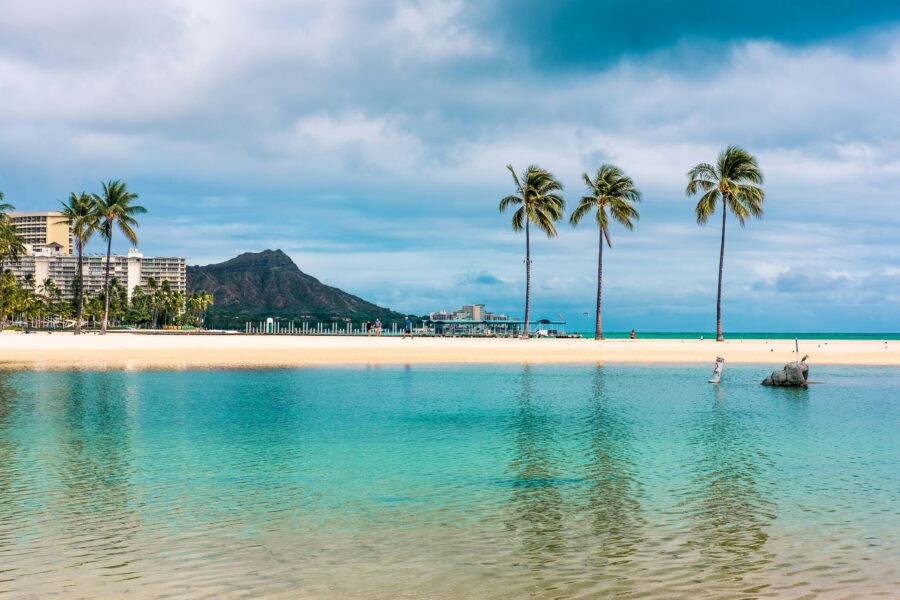
Photo by Amanda Phung on Unsplash
The Unique Challenge of Inter-Island Moves
Moving between Hawaiian islands isn’t like moving across town on the mainland. Each piece of furniture travels by ocean barge, spending time in salt-laden air during transport and upon arrival. That beautiful teak bench or powder-coated dining set you’ve enjoyed on Oahu faces a completely different set of conditions when it arrives on Maui or the Big Island.
When moving between islands, extra care is needed when packing, as your goods will be traveling over the ocean to their final destination. Many homeowners choose experienced professional movers for this reason, as properly trained crews can often transport large furniture pieces and delicate household items with minimal handling and without unnecessary disassembly, helping belongings arrive untouched and in the same condition they left.
The moving process exposes furniture to concentrated salt spray that can settle into joints, crevices, and protective coatings.
Temperature and humidity shifts during transit create the perfect storm for moisture-related damage. Wood expands and contracts. Metal fittings begin their slow dance with corrosion. Cushion fabrics absorb moisture they wouldn’t normally encounter in a single location.
How Hawaiian Microclimates Affect Your Furniture
Hawaii boasts 11 of the 13 climate zones in the world, each with unique ecosystems and weather characteristics.
Moving from Honolulu to Hilo means your furniture transitions from a relatively dry leeward climate to one of the wettest cities in the United States, with average annual rainfall around 130 inches.
The Big Island alone hosts dramatically different environments.
The island of Hawaiʻi hosts four (out of five in total) climate groups on a surface as small as 4,028 square miles according to the Köppen climate types: tropical, arid, temperate and polar.
Your outdoor furniture might thrive in the dry Kona coast climate but struggle when relocated to the humid windward side.
When warm, moist air rises over windward coasts and slopes, clouds and rainfall are much greater than over the open sea. Leeward areas, where the air descends, tend to be sunny and dry.
These dramatic differences mean furniture that required minimal maintenance in one location suddenly demands constant attention in another.
The Science Behind Salt Air Damage
Salt air doesn’t just make your furniture look weathered. It fundamentally changes how materials break down.
Salts from marine environments are often associated with corrosion. While not a part of the redox reaction, salts are involved in the corrosion mechanism in different ways.
For metal furniture, the process is relentless. Salt acts as an electrolyte, creating conditions where moisture doesn’t just sit on surfaces but actively facilitates chemical reactions. Aluminum frames develop pitting. Stainless steel fasteners show surface corrosion. Even powder-coated finishes eventually develop microscopic cracks where salt penetrates.
Corrosion rates spike within 500 feet of the waterline, where airborne salt concentration can reach 100 to 1,000 micrograms per cubic meter. National Institute of Standards and Technology (NIST) research confirms that atmospheric corrosion rates for steel in marine environments run 10 to 50 times higher than in rural settings.
Wood furniture faces different challenges.
Salt draws moisture into fibers through osmosis, causing repeated swelling and shrinking cycles that crack finishes and split boards.
That beautiful koa wood table maintains its integrity through careful balance with its environment. Move it to a wetter or saltier location, and the wood responds by expanding, contracting, and eventually checking.
What Happens During Ocean Transport
The barge ride between islands creates exposure conditions your furniture rarely experiences otherwise. Salt spray settles on every surface. Humidity levels remain consistently high. Temperature fluctuations occur as cargo moves from sheltered ports to open ocean and back again.
This isn’t just a move, it’s a saltwater journey. Anything that isn’t properly sealed, wrapped, or crated is at risk.
Professional movers understand this. They wrap pieces in protective materials and elevate items off container floors. But even with precautions, some salt exposure is inevitable.
Cushions absorb moisture during transport. Fabric treatments that repel water in normal conditions become overwhelmed by the sustained humidity. Wicker furniture, whether natural or synthetic, traps salt particles in its weave. Metal joints and hardware collect condensation that mingles with airborne salt.
The journey might only take a day or two, but that concentrated exposure accelerates deterioration that would otherwise take months or years.
Post-Move Adjustment and Acclimation
Your furniture arrives at its new island home carrying salt residue and moisture from transit. How you handle the first few weeks determines whether pieces recover or begin a slow decline.
Immediate fresh water rinsing is essential.
For exposed elements like balconies, railings, and outdoor furniture, a quick hosing down every few weeks can do wonders. This also helps prevent sand accumulation, which can trap salt and moisture.
That first rinse removes the bulk of salt deposits before they bond with furniture surfaces.
Wood pieces need assessment for moisture damage. Check joints for swelling. Look for finish cracks where water might have penetrated. Apply appropriate sealants if the wood appears dry or if the existing finish shows wear.
Metal furniture requires inspection of all joints and fasteners. Touch up any chips in powder coating immediately.
Salt loves seams and screw holes. A well-coated part looks smooth at edges with no thin, shiny lines.
The new climate requires adjustment. A piece that thrived in dry Wailea might need monthly cleaning and resealing when moved to rainy Hana. Furniture that required annual maintenance in Honolulu could demand quarterly attention on the Big Island’s windward coast.
Long-Term Maintenance in Your New Location
Different islands mean different care routines. Leeward locations allow for more relaxed maintenance schedules. Windward areas demand vigilance.
Coastal salt air is brutal on metal. UV rays hit harder at elevation. Strong winds flip lightweight chairs across the yard. Your specific conditions determine what survives and what falls apart.
Establish a cleaning schedule based on your new environment. Weekly rinses for metal furniture in high-salt areas. Monthly deep cleaning for wood pieces in wet climates. Quarterly resealing for any furniture showing wear from increased exposure.
Cover furniture during storms. Hawaii’s weather can change quickly, and what seems like a brief shower in one location might be a sustained downpour in another. Breathable covers prevent moisture buildup while protecting from direct rain and salt spray.
Store cushions indoors when possible. Even high-quality outdoor fabrics struggle with Hawaii’s combination of sun, salt, and moisture. Bringing cushions inside extends their life dramatically.
Making Smart Decisions Before Your Move
Some furniture simply won’t transition well between dramatically different island climates. A wicker set that looked perfect in your Kauai lanai might deteriorate rapidly in Hilo’s constant moisture.
Consider the climate of your destination before moving everything. Research average rainfall, prevailing winds, and proximity to salt spray. Some pieces might be better sold or donated rather than subjected to conditions they weren’t designed to handle.
For valuable or sentimental pieces, invest in professional packing and protection. Request climate-controlled storage if there’s a gap between moving out and moving in. The extra cost is minor compared to replacing damaged furniture.
Choose your new furniture placement carefully.
Covered patios protect furniture from direct rain and sun. Furniture covers work if they breathe properly. Trapped moisture causes more damage than exposure.
The Island-to-Island Reality
Moving between Hawaiian islands changes your furniture’s world. The salt exposure during transport, combined with potentially dramatic climate shifts, creates challenges that mainland moves simply don’t present.
Your outdoor furniture can absolutely make the transition successfully. It requires understanding the specific challenges, taking appropriate precautions during the move, and adjusting maintenance routines to match the new environment.
That teak bench that’s been part of your family gatherings, the dining set where you’ve shared countless meals with friends, the swing where you watch sunsets—these pieces can continue serving you well in their new island home. They just need a little extra care during the journey and some patience as they adjust to their new surroundings.
The islands are worth it. Your furniture just needs to be ready for the adventure.