
Inside: Transforming spaces with wall art. Collaborative post.
Wall art holds a unique position in the world of home design. It is not merely a decorative element; it can transform and enhance the overall aesthetic of a living space. A study from the University of London suggests that art can significantly improve mood and reduce stress. This makes wall art not only a visual treat but also a conduit for emotional well-being.
Incorporating the right pieces can elevate a room’s ambiance, turning a simple space into a sanctuary of style and comfort. Prints from Desenio offer accessible and stylish options, making it easier for individuals to personalize their interiors. With a variety of themes, colors, and sizes, these prints cater to diverse tastes and preferences, ensuring that every space can be uniquely adorned.

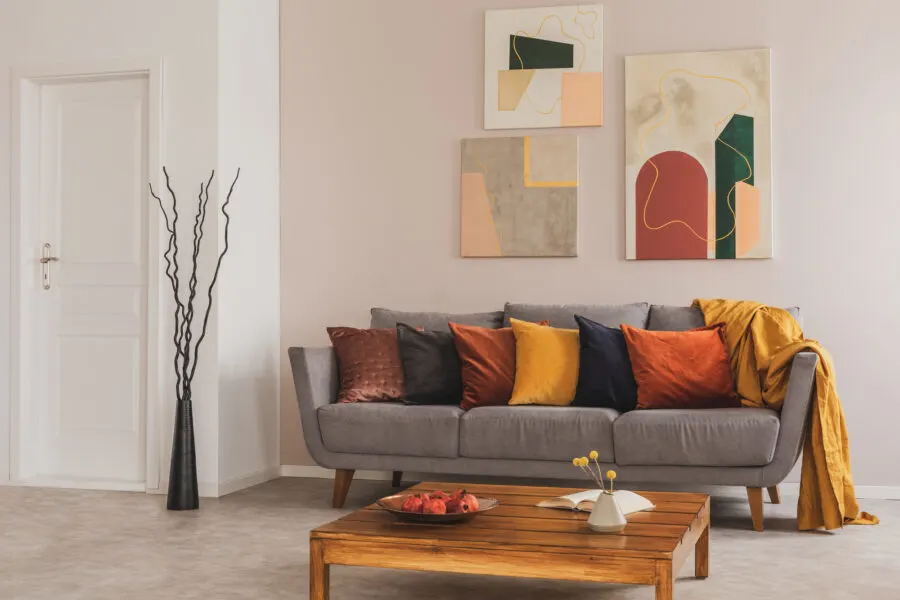
But beyond aesthetics, wall art can serve as a reflection of one’s personality and values. It allows homeowners to express their individuality and create a space that resonates with their lifestyle. This transformative power of art is what makes it an essential component of modern home design. So, how does one harness this power to its fullest potential? The answer lies in understanding the deeper connection between art and personal identity.
Rediscovering personal style through meaningful prints
For many, the journey of self-discovery can be both enlightening and challenging. Mothers, in particular, often find themselves navigating a complex landscape of personal identity and familial responsibilities. Wall art can be a subtle yet powerful tool in rediscovering personal style and identity.
Art has long been a medium through which individuals express their tastes and values. Selecting meaningful prints can be a form of self-care, allowing individuals to curate a space that feels authentically theirs. This process of selection and curation can be deeply personal, offering a sense of control and creativity in an otherwise chaotic world.
Moreover, art can serve as a focal point in interior design, anchoring a room and providing a sense of cohesion. A well-chosen piece can draw the eye, sparking conversation and contemplation. It can also reflect the unique experiences and aspirations of the homeowner, making the space not just a house, but a home.
As mothers juggle multiple roles, creating a nurturing and intentional living space becomes paramount. Art can play a pivotal role in this process, offering a visual representation of the values and priorities that define a family’s life. By choosing prints that resonate on a personal level, mothers can craft a home environment that supports both personal growth and familial harmony.
Aligning art with personal well-being
The connection between art and personal well-being is well-documented. Art has the ability to influence emotions and mental health, offering a therapeutic effect that can enhance daily life. When choosing art for the home, it’s important to consider pieces that resonate personally and contribute positively to the overall atmosphere.
Practical tips for selecting art include considering the color palette and subject matter. Colors can evoke specific emotions—blues and greens are often calming, while reds and yellows can energize a space. Similarly, the subject matter can impact mood; nature scenes might promote tranquility, while abstract pieces could inspire creativity.
Ultimately, the goal is to choose art that aligns with personal well-being, creating a harmonious environment that supports mental and emotional health. By thoughtfully curating art collections, individuals can foster a sense of peace and contentment within their homes.
Creating a nurturing home environment
Wall art can significantly contribute to a nurturing home environment, one that supports the well-being of all family members. The key is to select art that not only pleases aesthetically but also supports a positive and comforting atmosphere.
Family values can be reflected in the art chosen for the home. For instance, prints that depict family scenes or nature can promote a sense of unity and connection. Art can also be used to introduce children to different cultures and ideas, broadening their perspectives and fostering a sense of curiosity.
Curating a collection that reflects family values can promote harmony and understanding within the home. By choosing pieces that resonate with everyone, families can create a shared space that feels inclusive and welcoming. This nurturing environment is essential for fostering emotional well-being and strengthening familial bonds.