
Inside: Traditional Boilers vs Electric Boilers: Which Type is Right for Your Home? Collaborative post.
These days, there are hundreds of different ways to heat our homes and keep our family toasty and cosy. If you’re considering a new boiler, but feeling a little lost with all the options out there, don’t fret! Being a mum myself, I know how busy parenthood can get, making it difficult to juggle kids, work, and household errands like boiler searching!
To help you out, I have outlined the major factors to consider when choosing a new boiler. You might as well find useful the key pros and cons of both traditional boilers and electric boilers I highlighted while searching. Keep reading to unveil the key differences between both types of boilers and discover a boiler that fits your home.

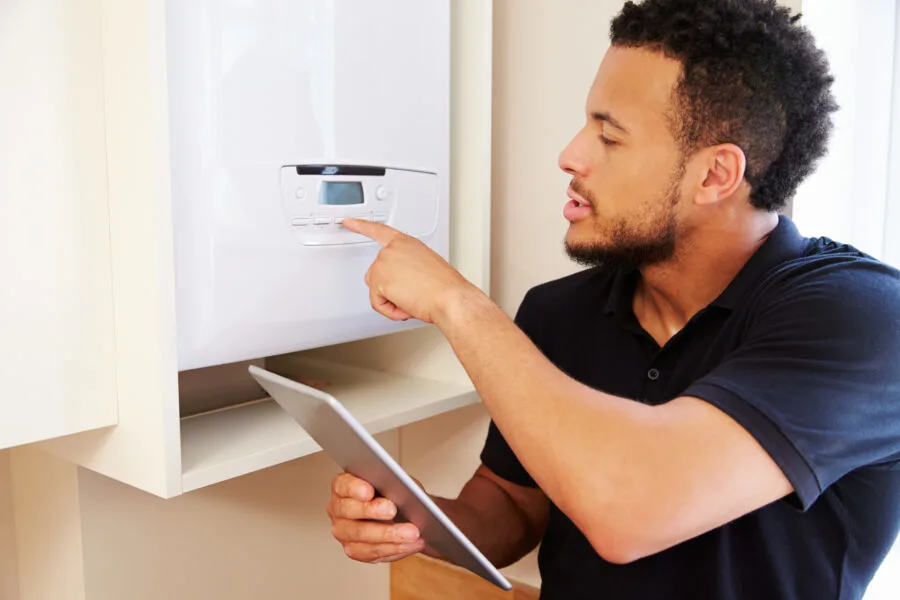
4 Things To Consider When Choosing a New Boiler
Before you decide whether a traditional or electric boiler is best for your home, it’s important to fully consider the following four factors before making a decision:
- Your Budget
Before you start shopping for a new boiler, you should evaluate your available finances and create a realistic budget. When doing so, consider the upfront costs of the boiler, including installation services and assess the long-term running costs, such as maintenance and heating bills.
- Your Household Heating Needs
Your household’s heating needs will depend on the weather conditions of your region, the number of family members you live with, the size of your home, and your hot water demand. By considering your household’s heating output, you can choose a boiler that will sufficiently accommodate your family’s needs.
- Energy Efficiency
Energy efficiency concerns how a boiler reduces your energy usage and eliminates energy waste. When shopping for boilers, seek out high energy efficiency ratings.
This is typically located in the Energy-Related Products (ERP) rating. For reference, an A rating is the highest energy efficiency rating a boiler can receive. Opting for a boiler with a good rating can reduce your heating usage and reduce your bills.
- Type of Fuel
The type of fuel you choose will depend on your location and personal preferences. While gas boilers are extremely common and widely accessible, they aren’t as renewable as electric or oil boilers.
When deciphering fuel types, be sure to determine whether the costs, environmental impacts, and overall availability align with your needs and requirements.
Understanding Traditional Boilers
Traditional boilers are also known as gas or oil boilers. These domestic boilers have been in use since the 1800s, and have proven their effectiveness for over 200 years! If you’re thinking about purchasing a traditional boiler for your home, consider the following benefits and drawbacks of this option…
Traditional boiler benefits:
- Effective heating: Traditional boilers are often celebrated for their effective heating systems. They can deliver a consistent supply of hot water to your home, which is particularly handy during colder seasons!
- Proven technology: Traditional boilers have served homeowners for hundreds of years, and have a proven track record of being reliable and effective domestic heating solutions.
- Accessible service and repairs: Because traditional boilers have been around for so long, there’s an abundance of trained professionals, such as heating engineers, who know how to work them. This means you won’t have much trouble hiring someone to repair, service, or even replace your traditional boiler.
Traditional Boilers Drawbacks:
- Environmental impacts: Unlike their electric buddies, traditional boilers present a greater carbon footprint. This is because they release pollutants into the atmosphere, such as gas, which negatively contributes to global warming. If you’re trying to be more eco-friendly, traditional boilers may not be the best option for you.
- Complex installation: Traditional boilers feature advanced components, such as pipework and flue systems, making them complex to install and replace. This means installing a traditional boiler is time-consuming and presents a high service cost.
- High energy consumption: When compared to electric boilers, traditional boilers are usually less energy efficient. This means they use more energy and present higher energy wastage, which can cause your heating bills to spike.
Understanding Electric Boilers
Electric boilers offer homeowners a modern low-maintenance solution to domestic heating. The GreenMatch electric boilers page has helped me learn more in-depth (and realistic!) information about this heating solution. In the meantime, check out the following benefits and drawbacks of electric boilers I have underlined for myself:
Electric Boilers Benefits:
- Improved energy efficiency: Electric boilers are significantly more energy efficient than traditional boilers. This is because they convert their consumed electricity directly into heat and don’t produce waste through processes like combustion, which is found in traditional boilers.
- Straightforward installation and low maintenance: Electric boilers are more compact and easier to install and maintain than traditional boilers. This is because they lack many of the complex components found in traditional boilers, saving you the costly expense of servicing and repairs in the long run!
- Clean & peaceful operation: Electric boilers cause little to no noise pollution. This is because they don’t generate heat through combustion or have the same clanky mechanical components that traditional boilers have. Ideal for anyone whose boiler is close to their bedroom. A baby in the house? Choose an electric boiler!
Electric boilers also don’t produce byproducts such as soot and ash, resulting in cleaner heating.
Electric Boiler Drawbacks:
- Increased running costs: The cost of electricity can be higher than the cost of gas or oil, meaning electric boilers can cost more to run than traditional boilers. An important factor to consider when choosing an electric boiler is the current rates and availability of electricity in your region.
- Capacity limitations: Electric boilers can present a lower output capacity when compared to traditional boilers. If you live in a large home or have a high water demand, an electric boiler may not effectively heat your entire home.
- Dependent on electricity: If you experience a power outage or other relevant disruptions, you may lose access to hot water and central heating until power is restored in your area.
To Conclude…
While traditional boilers have been tested for many years, they do present some significant drawbacks, such as high energy consumption and negative environmental impacts. On the other hand, electric boilers are more environmentally friendly and present high energy efficiency.
On the flip side, electric boilers do have higher running costs. Yet, they may actually help save more money than traditional boilers due to their energy efficiency and low maintenance. Whichever boiler you choose, remember to base your decision on your household’s specific needs and your personal preferences.