
Inside: The UK vs. The World: How Families Build When They Need More Than One Home Under One Roof. Collaborative post.
Families stretch. Not just emotionally. Physically. Rooms feel smaller once teenagers gain opinions, grandparents return to the household, babies arrive without asking permission, relatives need sanctuary.
Shared lives demand shared space, though land stays stubbornly finite. The United Kingdom learned this pressure long ago. Still, solutions exist beyond islands and terraced houses. Other nations experiment, adapt, invent.
Homes evolve when families refuse to shrink themselves to fit brick edges. Space becomes negotiation. Architecture turns into diplomacy. How different cultures solve this tension speaks volumes about values, climate, tradition, dreams.
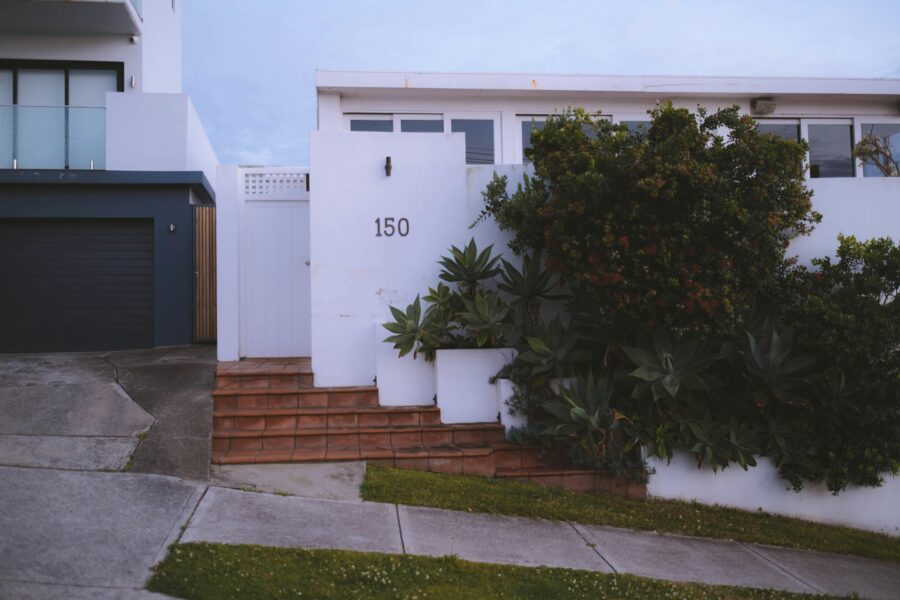
Photo by Kate Trifo
The UK: Reinventing the Familiar Walls
A British home often begins with history. Streets lined with houses that survived wars, weather, decades of laughter. Rear gardens deliver that hint of freedom, though many lack square footage for double lives inside one structure. Families wanting expansion must find ways that feel respectful to existing design.
Grandparents move in. Adult children return from expensive cities. Two mini households coexist beneath one roofline. Creativity becomes essential.
Loft Transformations: Sky Becomes Shelter
Unused rafters convert into bedrooms filled with slanted charm. Private zones emerge above daily chaos. Perfect for teens needing sanctuary, parents needing silence, guests needing night peace. The family grows without spreading sideways into neighbors’ gardens.
Basement Revival: Depth as Resource
Homes sitting above old cellars suddenly gain chapters beneath them. Insulation strides into action, moisture receives battles, lighting rescues gloom. What once stored forgotten boxes becomes a proper dwelling for those who need closeness plus independence.
Australia: Spacious Lands, Inventive Solutions
Australia feels vast. Space seems endless upon a first glance across those sun-bright horizons. Yet cities compress life into very familiar density. Sydney, Melbourne, Brisbane — families again face limits. Australians respond not by surrendering comfort, but by embracing multi-home design within a single plot.
The idea many admire: dual occupancy. Two self-contained living spaces share one piece of land, without forcing generations into cramped routines.
Dual Living as Family Strategy
Across Australia, families are rethinking space, choosing smarter ways to live without losing connection. The growing number of dual occupancy homes for sale Sydney offers is a clear example — fresh builds, clever layouts, and modern finishes showing what’s possible nationwide.
Imagine a teenager stepping into adulthood while still held close by family. Imagine grandparents aging with comfort and dignity, not distance. Imagine rental income easing the mortgage instead of tightening it. Dual occupancy living turns one address into a practical partnership — separate lives that stay linked, financially and emotionally.
Privacy Without Distance
One entrance leads to one life. Another entrance leads to another life. No friction at the kettle. No daily schedule collision. Each unit supports its own cooking, sleeping, daily rhythm. Still, a short walk across a yard means hugs never need planning.
United States: The Land of Expansion Instincts
Americans feel deeply connected to the promise of building big when life demands. Urban cores tighten. Suburbs answer by spreading outward like arms wanting to embrace every dream at once. Multi-generational setups thrive here. Houses grow wings, basements evolve into micro apartments, garages adapt.
The financial climate pushes grown children to stay longer. Caregiving responsibilities also rise. American families handle this by reinventing the layout.
Accessory Dwelling Units: Backyard Independence
Small dwellings rise near the primary home. A separate tiny house offers adult children a stepping stone into autonomy without sacrificing closeness. Grandparents maintain dignity through independence, while still joining family dinners whenever the heart requests it.
Basement Apartments with Identity
Basements gain full kitchens. Separate entrances. Sound-soft walls. Families live together through support instead of obligation. Rental potential appears too — financial relief delivered by smart adaptation.
Middle East: Hospitality Builds Walls with Warmth
Here, families rarely separate. Togetherness lives at the core of society. Multi-generation living stands as tradition, not as a forced outcome of market pressures. This creates architecture that expects layering of life.
Homes gain inner courtyards. Doors open into shared gathering zones. Aging parents never disappear into distant care facilities. Children remain rooted to family. Privacy balances with closeness through thoughtful design instead of physical distance.
Courtyard Homes: Breathing Space Inside
An interior garden sits hidden from street view, sheltered from desert wind. Children play freely, without traffic dangers. Conversations flow under open sky. An additional dwelling for newly married family members stands attached, though with its own daily rhythm.
Vertical Living with Respect
Multiple floors shape personal sanctuaries. Grandparents at ground level receive convenience. Younger generations climb to upper floors. Everyone sleeps under one roof line, though each generation steers its own night journey.
Why Families Seek Multiplicity in One Home
Housing markets fluctuate. Birthrates shift. Elderly care transforms. Yet the root cause remains tender: families want proximity without friction. They crave support without dependency. Connections gain strength when architecture allows breathing space.
In tough times, extended households carry each other. In joyful times, extra rooms become celebration extensions. One property becomes a web of resilience.
Emotional Savings Account
Shared life means shared spirits. Meals multiply joy. Troubles shrink when divided. The design of a home becomes emotional infrastructure.
Financial Safeguard
Mortgages strain budgets less when multiple hands contribute. Childcare within the household saves money. Medical care receives quicker attention. Each inhabitant contributes in ways beyond currency.
The Challenges: Because Living Close Needs Wisdom
Two kitchens simmering different meals. Two sleep cycles colliding. Two philosophies about cleaning kitchens. Family unity never removes differences. Homes must act as mediators.
Noise finds pathways. Privacy loses its fortress. Solutions require more than walls. They demand agreed boundaries as well as architecture that helps maintain peace.
Clarity from Day One
House rules feel healthy when discussed early. Expectations grow clear, so nobody feels invaded. A home stays peaceful once communication receives respect.
Design with Future Flexibility
Children become adults. Parents age. Needs shift. A house capable of evolution stays loved longer. Movable partitions, adaptable rooms, stair upgrades — these tiny decisions support future layers of life.
A Global Lesson for the UK
Innovation thrives everywhere humans gather. The UK can embrace each global idea and translate them into British streets. Dual occupancy concepts like those seen in Australia might suit cities craving density without sacrificing family life. American accessory units might help younger generations find stability. Middle Eastern design could gift British families new ways to celebrate closeness without noise battles.
Families stand as the first architecture of society. Homes merely give walls to that truth.
Looking at Homes as Living Beings
A house that can grow, divide, reconnect — such a house becomes legacy. Generations thank ancestors who built with foresight instead of urgency.
British Dreams Need Space Too
From Leeds to Bristol, from Glasgow to Brighton — expanding families deserve more than tension inside tight corridors. They deserve homes that recognize love expands.
When more lives share one address, a home must answer creatively. The UK watches the world, learns, adapts, then pushes forward. Families evolve every day. Architecture should keep up. And when it does, the roof stops being a limit. It becomes a promise.