
Inside: Sustainable Parenting: Empowering Kids to Make a Positive Impact on the Planet. Collaborative post.
Let’s get real for a second. Have you ever absentmindedly left the faucet running while brushing your little one’s teeth, only to be met with a lecture from your resident expert – your five-year-old? Yeah, me too.

Kids are like tiny sponges, soaking up everything around them, including our not-so-green habits. And that means they’re also primed to become a generation who knows why turning off lights matters and gets excited about recycling that juice box.
Now, I’m not gonna lie. There will be epic meltdowns over turning off the TV, and forgetting reusable grocery bags happens to the best of us. But hey, that’s part of the journey, right? So, grab your reusable water bottle and dive into some fun and practical ways to raise little green giants who can make a real difference in our world!
Lead by Example
A cold hard fact: the average American household produces about 4.51 pounds of waste per day, according to the Environmental Protection Agency (EPA). By composting organic waste, families can divert a significant amount of waste from landfills while enriching their soil for gardening.
Setting a positive example is one of the most effective ways to teach children about sustainability. Parents can demonstrate eco-friendly behaviors in their daily lives, such as conserving energy by turning off lights and electronics when not in use or using reusable shopping bags and water bottles instead of disposable ones.
Turn it into a scavenger hunt – whoever finds the most colorful reusable bag gets to pick the movie night snack!
Or you could challenge your kids to be the “light detectives” and flick off switches in unoccupied rooms.
Engage in Hands-On Activities
Engaging children in hands-on activities fosters a deeper understanding of sustainability concepts. Planting fruits, vegetables, and herbs teaches children about the importance of local food production and the benefits of organic gardening practices.
Hit up the local farmer’s market and pick out some veggie and herb seedlings together. Plant a little pizza garden on your balcony or in a sunny corner of the backyard. Watching those cherry tomatoes and basil leaves grow will make them even more excited to add them to homemade pizzas!
According to the National Gardening Association, gardening can improve children’s attitudes toward fruits and vegetables, leading to healthier eating habits. Additionally, recycling just one aluminum can save enough energy to power a TV for three hours.
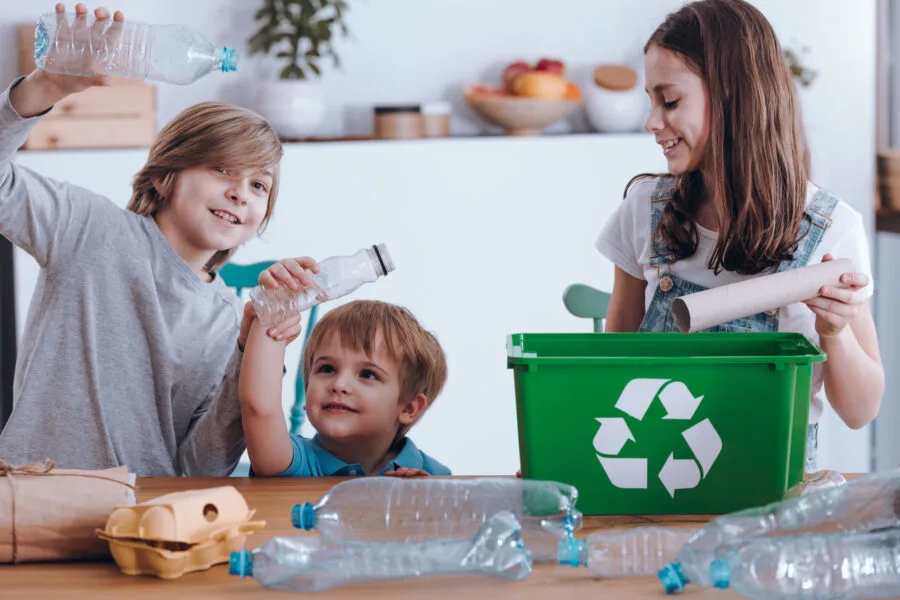
Sorting recyclables, creating artwork from recycled materials, or building DIY projects using repurposed items instills creativity and resourcefulness.

Explore Nature Together
Spending time outdoors allows children to connect with nature and develop a sense of appreciation for the environment.
Plan nature walks, hikes, or camping trips to explore local parks, forests, and wildlife habitats. Alternatively, you can participate in citizen science projects, such as bird watching or identifying plants and animals, to encourage curiosity and environmental awareness.
The National Wildlife Federation reports that outdoor play has numerous benefits for children, including improved physical health, cognitive development, and emotional well-being. Additionally, exposure to nature can inspire a lifelong commitment to conservation.
Embrace Renewable Energy Solutions
Introducing renewable energy technologies serves as a tangible example of sustainability for children. Explaining how these systems harness natural resources like air or sunlight to power our homes can spark curiosity and inspire a deeper understanding of environmental conservation.
Installing an air source heat pump not only provides efficient heating and cooling but also demonstrates a commitment to reducing carbon emissions and reliance on fossil fuels.
For example, research solar panels or an air to air source heat pump for your home in your area. Many utility companies and government websites offer rebates and incentives to help offset the cost of installation.
By making this switch, you teach your kids the importance of utilizing clean energy sources to protect the planet for future generations.


Foster Critical Thinking
Remember, it’s not just about doing, it’s also about understanding. Caught a news story about recycling or clean water initiatives? Talk to your kids about it in a way they can understand. Ask them their questions and encourage them to think about how their actions can contribute to a cleaner planet.
Encouraging children to think critically about environmental issues empowers them to become informed advocates for sustainability. I was astonished to learn that 73% of American parents believe that schools should teach children about climate change.
So by fostering critical thinking skills at home, parents can prepare their children to address complex environmental issues in the future.
Empower Action and Advocacy
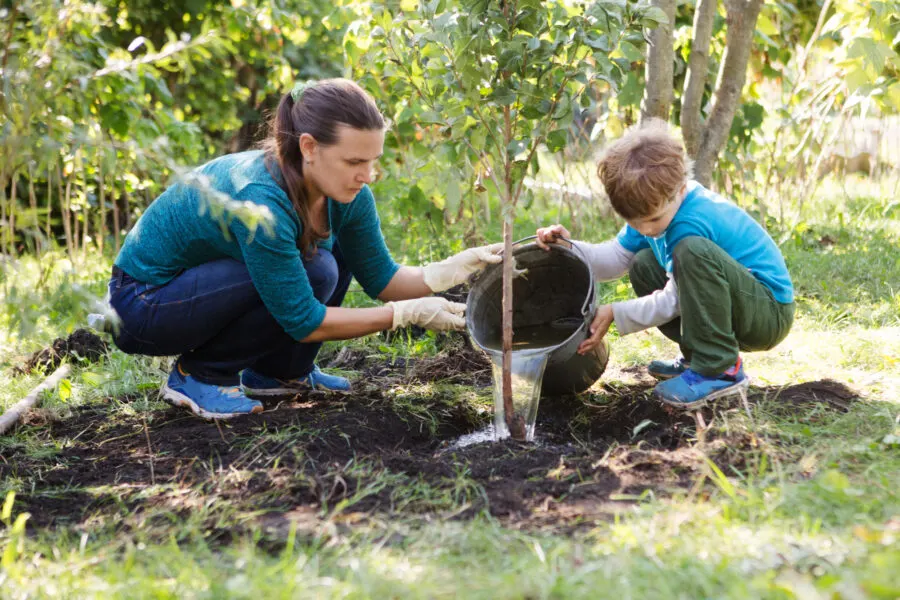
Empowering children to take action reinforces their sense of agency and responsibility as environmental stewards. Participate in community clean-up events, tree plantings, or environmental advocacy campaigns.
Organize a family clean-up day in your neighborhood park or local beach. Even a small act of picking up trash can make a big difference in the health of our communities.
Organizations like Earth Day Network offer resources and toolkits for families to organize local environmental activities and promote sustainability in their communities. By taking collective action, children can make a tangible difference in protecting the planet for future generations.
All in all, by incorporating these tips and examples into our everyday routines, we’re planting the seeds of sustainability for future generations. We’re showing our kids that even small changes can make a big difference. Imagine the impact we can create together!
We can empower them to become responsible stewards of the environment, equipped to tackle the challenges of a changing world. This isn’t just about saving the planet for us, it’s about creating a greener, healthier world for them. So, let’s roll up our sleeves (or maybe grab those reusable grocery bags!), and get ready to inspire a generation of eco-conscious leaders.