
Inside: Small Changes That Make Daily Life Feel Easier. Collaborative post.
A kitchen drawer sticks, your phone buzzes, and the dog needs a walk right now. Nothing is dramatic, yet the small demands pile up and drain your energy fast.
Many people also carry low grade pain that turns errands into a longer, slower project. If that sounds familiar, Core Medical & Wellness can be a useful reference point for what a structured pain plan can look like when it is built around your actual days and limits. You do not need a new lifestyle, you need smaller choices that remove daily friction

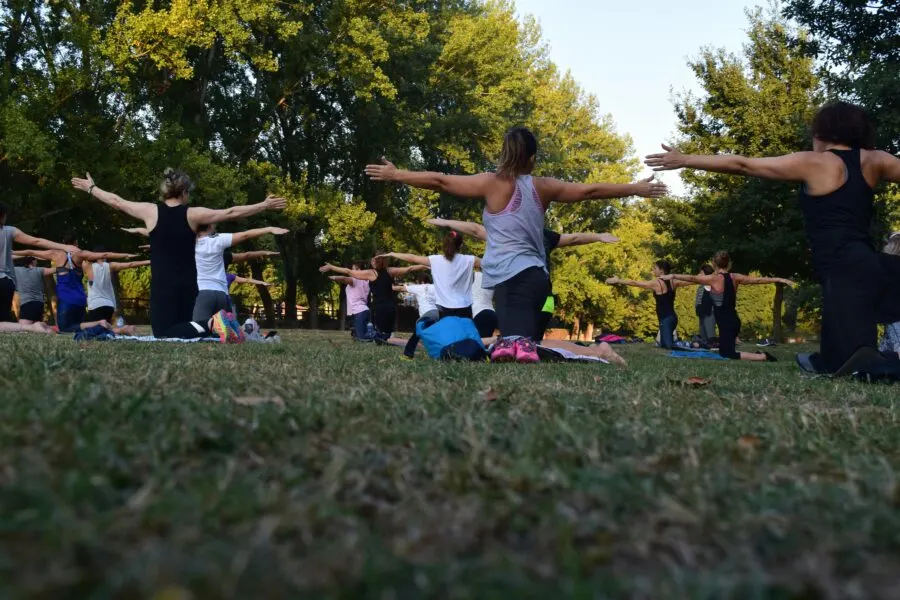
Photo by Rui Dias
Make Your Home Setup Work For Your Body
Start with the places where you stand still, like the sink, stove, and bathroom mirror. Keep one anti fatigue mat where you prep food, and another where you brush teeth. That small cushion can lower calf tightness, and it can reduce back strain over weeks.
Next, set up a “carry lane” so your hands stay free and your shoulders stay even. Put a small basket by the door for keys, chargers, and daily papers. Add a tote hook at shoulder height, so you do not hunch while picking things up.
In the kitchen, move heavy items between knee and chest height whenever you can. Store pans you use weekly on the easiest shelf, not the lowest cabinet. This cuts repeated deep bends, which often flare hip pain or knee pain.
Try a quick reset list that takes two minutes, and feels easier than a full clean.
- Fill one water bottle, and place it where you sit most evenings.
- Set tomorrow’s clothes in one spot, so you avoid rushed searching.
- Clear one counter zone, so breakfast starts with space, not clutter.
Build A Daily Movement Plan That Does Not Hurt
Movement helps joints and muscles, but “more” is not always better for sore bodies. A better target is steady, gentle work that you can repeat most days. Think about joints like hinges, they work best with regular use and light load.
A clear public guideline is 150 minutes of moderate activity each week for adults. That can look like five short walks, plus two simple strength sessions at home. The CDC breaks this down in plain terms on its adult activity page.
If you sit for work, use a timer that prompts a two minute stand every hour. During the break, walk to a window, then do ten slow shoulder rolls. Finish with five calf raises while holding the chair, keeping your ribs stacked.
When pain shows up, track patterns instead of pushing through with gritted teeth.Note what you did, how long it lasted, and where the pain started. This kind of log helps a clinician adjust activity and spot joint or nerve triggers.
Plan Food And Hydration To Cut Decision Fatigue
Lunchtime and late in the day are when decision fatigue usually occurs most frequently. Create a couple of “default meals” that you can make repeatedly, without much thought, then swap out the sides to keep things interesting. Soup, wraps, and bowls will give you protein, fiber, and veggies fast and easy.
Your hydration levels affect your feelings too. Headaches, cramping and lack of energy are all symptoms of dehydration. Place water front and center and occasionally add a little salt or some juice from citrus to help flavor your water. When drinking coffee, drink water immediately after to prevent chasing an afternoon energy drop.
Create a short shopping list to cut down on aisle walking and impulse buys. Choose two proteins, two veggies, two fruits and one quick carb to shop for each week. Pick one comfort food to include in your list to avoid feeling deprived and eating take-out.
Sleep And Stress Habits That Lower Pain Spikes
Poor sleep makes small problems feel larger, and pain often feels louder after. Aim for a steady wake time, even on weekends, and protect that anchor. A consistent morning start supports your body clock and steadier energy.
For practical sleep habits, NHLBI lists steps like regular schedules and calm wind down. It also notes keeping the bedroom cool, dark, and quiet for better rest. Those tips are on its healthy sleep habits page and are easy to review.
Stress can tighten muscles, and it can trigger jaw clenching, shallow breathing, and flares. Use one downshift habit after dinner, like a ten minute walk or a warm shower. If you prefer quiet, sit with feet on the floor and breathe slowly for four minutes.
Know When Pain Needs A Medical Look
Some discomfort is normal after a new workout, a long drive, or a busy weekend. Pain that persists, worsens, or interrupts sleep deserves a closer look. So does numbness, weakness, swelling, fever, or pain after a fall.
A helpful next step is to describe pain in simple terms, not vague labels. Where is it, what makes it worse, and what makes it ease within minutes. Bring your notes, your meds list, and your work routine, since those details matter.
Many clinics can combine exam findings with imaging, labs, or referrals when needed. That can include rheumatology checks for inflammatory patterns, or ortho exams for joints. A plan may blend movement, targeted therapy, and procedures, based on your day to day.
Create A Simple Plan You Can Repeat Each Week
Your routines are just as predictable as they are boring, but it is through this predictability that your daily choices become less of a gamble. Identify three daily routines that fit your current lifestyle (not your dream lifestyle), and make sure these three routines are small enough that you will still complete them when you feel exhausted; don’t argue with yourself about doing them.
Begin by changing one thing about how you set up your home, one time you will move your body and one rule for your sleep. For example, add a yoga mat to the location where you typically stand, take a ten minute walk immediately following your lunch, and maintain the same wake-up time each morning. After two weeks track your results and begin to change one thing at a time.
When chronic pain prevents you from performing an activity, instead of eliminating the habit completely, reduce the “dose” of the habit. You may cut the time in half, reduce your speed, or switch the activity to something easier on your body. The purpose is to create steady days, fewer episodes of pain and have more faith in your ability to manage your body’s limitations.
After you finish your weekly check-in, go back to living your life. Ask: What was easiest for me to continue, what caused my pain and what did I find easiest to replicate? Write a single sentence in response to each of those questions, and identify the next minor change you want to make during the upcoming week.
Practical Takeaway For Easier Days
Small changes work best when you pick two, repeat them for two weeks, and adjust calmly. Choose one home setup fix, one movement habit, and one sleep guardrail, then stick with them. Daily life feels easier when your body gets fewer surprises, and your routines ask less effort.