
Inside: Our Family’s New Chore System That’s Actually Working. Collaborative post.
For ages, I thought of chore charts as Pinterest mums’ stuff. You know what I am talking about, those laminated sheets, colour stickers, motivating slogans plastered on the fridge. And I, meanwhile, was reaching for everyone’s socks, reminding them of toothpaste in the basin, grumbling under my breath if the recycling wasn’t taken out.

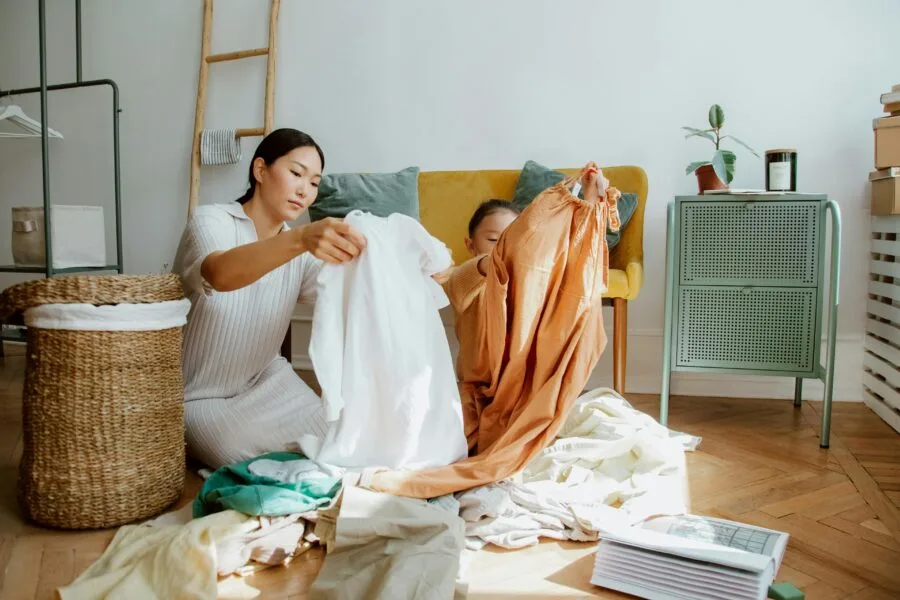
Photo by Ron Lach
But a few weeks ago, some kind of switch flipped. We were all tripping over toys, there was a washing pile permanently in our hallway, and I realized that doing absolutely everything myself was doing no one a favour. Especially not me. Especially not myself.
We Made a Family Job List (That Doesn’t Feel Like Homework)
I didn’t make it too complicated. We wrote down all that’s gotta be done on a day-to-day basis, no frills, a whiteboard, a dry wipe marker. I didn’t assign tasks right away. We reviewed it as a family after dinner and let everybody choose two or three tasks they felt okay with. Even the littlest one. Who knew? She’s a natural with matching socks.
Small Tasks, Big Wins
Instead of making it a great big day of chores on a Saturday, we now fit it in short doses throughout the week. Five minutes here, ten minutes there. While they clean the bathroom sink after brushing their teeth. While they fold a load of clothes, the kettle is boiling. At the same time, they clean up the hallway, waiting for the timer of the oven to go off.
It’s made all of this affair not quite so. Burdensome. And everyone’s more willing to contribute when it’s not this great list of tasks looming over them.
I Stopped Fixing Everything
That was the hardest part. Looking at someone sweeping poorly or not folding towels properly irked me. But I bit my tongue (mostly), uttered thank you, and let them own their job. As soon as I refrained from taking control to get it done properly, they did better. Not at once, but they did improve.
The garage was even tackled. We’d been putting off sorting that for an eternity, but after giving it a bit of TLC and installing a new creaky panel for an old one we’d procured through a garage doors supplier. Families-recommended service, the garage felt a part of home again, not an abandoned repository.
The Little Extras That Helped
We include a pictorial tick-box list for children. Frankly, they only get a kick out of ticking them off. Sometimes, I even include ridiculous tasks like “feed the guinea pig her cucumber bribe” or “make Mum smile with a compliment” for giggles.
And we no longer use the term “chores”. It sounds absurd, but employing “jobs” or “helping” as a description brought it not punishment, but a shared activity. Language does indeed matter.
What’s Different Now
The house will probably never be perfect (I’ve given up hope for that), but it’s less stressful. Clutter isn’t accumulating as badly as it used to. I’m not shouting directions or fuming in silence. Children are more responsible for what’s gotta get done and, more significantly, why they should care.
Now I’m a part of a team, one that sometimes leaves its pants on the floor, yes, but a team nonetheless. And right now, that feels like a victory.