
Inside: Launch a Backyard Supper Club Business. Collaborative post.
Forget sterile dining rooms and long reservation lines. People crave connection, warmth, and meals that feel personal.
Across cities and suburbs, backyard supper clubs are flipping the script on how we gather and eat. These aren’t just pop-ups. They’re curated, community-rooted experiences that blend hospitality, creativity, and smart business thinking.

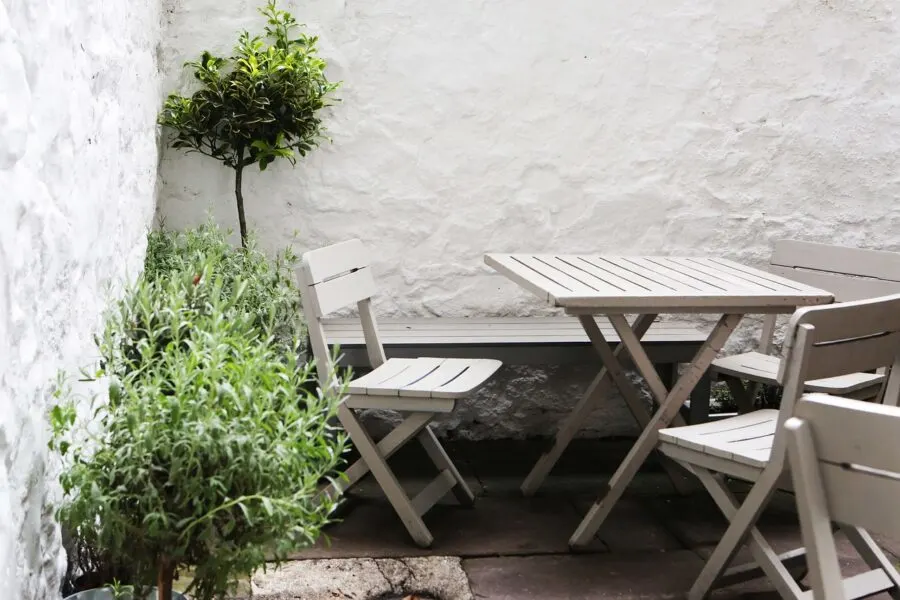
Image by StockSnap from Pixabay
If you’re itching to cook, host, and build something unique from your own backyard, this article dives into how to launch a backyard supper club business.
Prepare Equipment, Drinks, and Cleanup Systems
A backyard supper club works best when everything runs without fuss. Therefore, get a setup that handles volume but still feels homey, basically comprising foldable tables, weatherproof seating, and enamelware.
Another vital piece is cold-beverage service that doesn’t rely on bagged ice runs. A quick look at the IceMachinesPlus ice machine catalog can help you size up a compact unit that fits your needs.
You shouldn’t overlook sanitation, especially with shared spaces and multiple courses. Ideally, keep a double-basin utility sink or a portable wash station near your prep zone to manage dirty dishes and food-safe rinsing quickly.
Pick a Theme and Supper Format
Themes help you anchor the menu and set the tone for the night. Something as simple as “early summer harvest” or “coastal Italian” can shape music, decor, and course flow.
You can rotate between plated meals, family-style servings, or progressive tastings depending on your comfort and guest size. Fewer guests mean more intricate dishes; larger crowds work better with shared platters.
Guests are likely to return when the vibe feels thoughtful, not overproduced. A clear format also makes it easier to plan prep time and batch elements ahead.
Create a Seasonal, Flexible Menu
Seasonal cooking keeps your costs low and flavors strong. Local produce and meats often taste better and help your menu change naturally as months shift.
Balance is key when guests have different preferences or dietary needs. One main protein, a plant-forward option, and a standout side dish can satisfy most tables without extra strain.
Flexibility helps when supply chains or weather throws surprises. Swapping one ingredient for another within the same flavor family keeps your menu consistent and stress-free while preserving your overall concept.
Set Smart, All-In Pricing
Your guests will appreciate knowing exactly what they’re paying for upfront. A flat rate that covers food, drink, and service removes guesswork and keeps the vibe relaxed.
Preferably, cost out each dish down to the garnish, then add a margin that respects your time and effort. Hosting should feel worth it after shopping, prep, and cleanup.
Offering a fixed number of seats helps you stay within budget and avoid overbuying. Transparent pricing also makes it easier to build loyalty and repeat bookings over time.
Gather Guests Through Warm Outreach
Friends, neighbors, and coworkers will likely become your first loyal guests. Sharing your supper idea through casual conversations builds curiosity without pressure.
Personal messages and soft invites tend to work better than wide social media blasts early on. People respond more when they feel chosen, not broadcast to.
Consistency builds trust, so even if the first group is small, show up with the same energy each time. Over time, word-of-mouth spreads faster than paid ads ever could.
Keep the Setup Casual but Cozy
You should consider how your backyard layout affects flow and comfort. Guests feel more at ease when furniture looks collected, not staged, and lighting feels warm rather than harsh.
Low, steady light from string bulbs or lanterns makes the space inviting without much effort. Small touches like linen napkins or fresh herbs on tables show care without overspending.
Comfortable seating matters as much as the food itself. A mix of benches and folding chairs lets people move easily, chat freely, and settle in for a long evening.
Confirm Local Food and Zoning Laws
Local regulations shape what you can legally serve and how often you can host. A quick call to your city’s health department can clarify whether permits or inspections apply to home-based meals.
Rules may differ between private dinners and public ticketed events. Some areas treat recurring suppers as commercial operations, which may require business registration or food-handler certification.
Neighbors’ comfort also matters since parking, noise, and guest flow can raise concerns. If you stay upfront about your plans, you’ll avoid misunderstandings and keep your gatherings welcome in the community.
Wrapping Up
Hosting supper in your own backyard builds real bonds that go far beyond the meal. There’s a kind of magic when laughter rises under the open sky and friends, old and new, linger a little longer than planned.
Start simple and lean into the details that feel true to you. Every supper you host could spark a new tradition in your community, so open your gate and see where your table leads.