
Inside: How To Make A Home Look Modern: 7 Contemporary Design Rules. Collaborative post.
A home can feel dated even when nothing in it is obviously old. A sofa blocks part of the window. The only ceiling light flattens the room after sunset. New pieces arrive, but the everyday clutter never quite leaves.
Modernising works better when those irritations are handled first. Once the room is easier to cross, easier to clean and better lit, decoration becomes much less of a guessing game.
What Does Modern Home Design Really Mean in 2026?
Modern design during this year is warmer than the glossy grey look that filled so many property listings. Clean lines still belong, though timber, soft shapes and textured fabrics now sit beside them.
The room still has to cope with daily life. A dining chair should pull back without hitting the wall. Shoes need somewhere close to the door.
Older pieces can stay.That’s not all because that particularly old timber chest keeps the new sofa from making the room feel newly furnished.
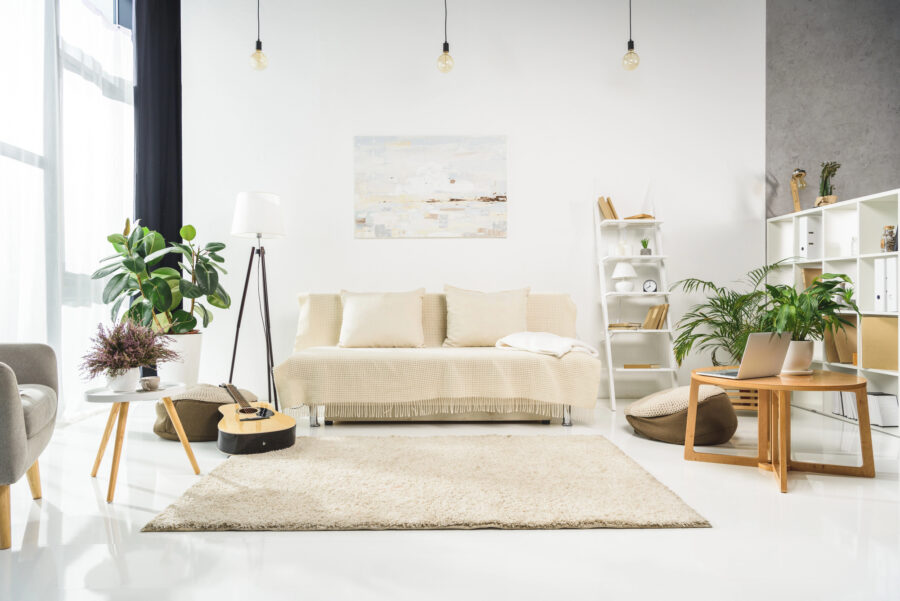
Rule 1: Embrace a Neutral and Minimalist Color Palette
First off, if you think about your soft neutral shades keep the backdrop easy on the eye. It does not have to mean plain white. Oatmeal, warm stone, clay and muted olive can all create a quieter background.
Light decides how those shades behave. A grey that looked soft in the shop may turn blue on a north-facing wall. Paint samples need a full day on the wall before the tins are bought.
A darker extension may need more than pale paint. Skylights by Rooflights & Skylights UKcan bring daylight towards the centre where side windows do not reach. Position matters. Glazing above a worktop may help. The same opening above a television can cause glare.
Rule 2: Choose Clean Lines and Clutter-Free Furniture
When you witness a typically smaller room, you will grasp the fact as to how each piece has to pull its weight. A sideboard can hide the router and paperwork. At the same time, there is a bench where you can catch shoes by the door. A compact dining table is easier to live with than one everyone has to squeeze past. Measurements should include movement. Drawers need room to open. Chairs need space to pull back. A sofa may fit the wall yet cover half a radiator.
Painter’s tape on the floor looks rough, but it shows the real footprint before delivery day. That small check also catches doors that would otherwise open straight into the new piece.
Clutter-free does not mean bare. Closed cupboards suit less attractive items.
Rule 3: Let Natural Light Be the Star of Every Room
Daylight often reveals what is making a room feel tired. A tall bookcase may block half the window. Heavy curtains can cover more glass than expected. Moving one item sometimes helps more than repainting.
Mirrors work when they catch real daylight. One facing a gloomy wall simply repeats the gloom.
Rooflights can rescue a dark kitchen, landing or rear extension. Too much glass can leave the room roasting by late afternoon unless shade, airflow and insulation are planned properly.Rule 4: Mix Textures and Materials for a Contemporary Feel
A pale room can look unfinished when every surface has the same smooth finish. Texture helps without adding more stuff.
Linen curtains, timber grain, a wool rug and brushed metal can sit together comfortably. Repetition helps. Oak used on a shelf, a frame and a small table can quietly tie the room together.
Practicality matters too. Deep grooves collect dust. Pale fabric becomes hard work beside muddy paws. Rough stone may look impressive in a showroom but feel awkward in a small family kitchen.
Samples make more sense beside the floor and furniture already in the room.

Rule 5: Invest in Statement Lighting to Elevate Every Space
One pendant in the centre of the ceiling rarely handles a whole day well. It may suit cleaning, then feel harsh once everyone sits down.
Now, you must at one point know that most rooms need more than one source of light. Ceiling fittings cover movement. Lamps soften the evening. Task lights belong over worktops, desks and mirrors. A lamp beside the sofa is more useful than one placed in an empty corner simply to balance the room.
A statement fitting can anchor a dining table or stairwell. Scale causes the usual trouble. A small pendant gets lost above a long table. A large one in a low hallway becomes something people duck around.
Rule 6: Bring Nature Indoors with Plants and Natural Elements
A few plants take the edge off all those straight lines and hard floors. They also make poor placement obvious. A sun-loving plant will not thrive in a dim hallway because the pot suits the paint.
One healthy plant often has more presence than several tired ones. Wide leaves beside a narrow doorway will be brushed past all day.
Natural materials can do similar work. Timber, cork, clay, stone and linen bring small variations that smooth manufactured finishes lack.
Pots need trays. Damp compost should not sit directly on timber. Homes with pets or young children also need suitable plant choices.
Rule 7: Use Smart Home Technology to Add a Modern Touch
Smart technology is worth having when it fixes something that is annoying every day. Heating controls can follow the household routine. A hallway sensor helps when both hands are full. Lighting scenes can move a room from daytime work to a quieter evening.
The setup should stay simple. Five apps, loose charging cables and glowing hubs can make a calm room feel cluttered again. Devices should work together where possible.
Manual controls still matter. A visitor should be able to switch on a light without asking for a phone. The same applies when the internet stops working.
Well-placed sockets often prove more useful than another gadget.
Common Modern Home Design Mistakes to Avoid
Most mistakes begin with buying before measuring. A sofa looks right online, then blocks the doorway. A rug seems large in the shop, then floats awkwardly beneath the coffee table.
Other common slips include:
● Choosing one pale shade for every surface
● Filling empty walls too quickly
● Buying furniture without checking walking space
● Leaving cables with nowhere to go
● Mixing smart devices that cannot work together
● Removing every personal object for a cleaner look
Copying a photograph can mislead. Another home may have taller ceilings, wider windows or nobody dropping school bags in the hall. The real room has to set the rules.
How Much Does It Cost to Modernise a Home in 2026?
All in all, you will never stumble on that one universal digit in the form of a price per these factors. For you see, it involves the paint and new lamps or a complete renovation.
A light update can be handled room by room. Structural work needs a written scope, trade quotes and spare money for problems hidden behind floors or walls. Location, property condition and finish level can move the total a long way.
The order of spending matters. Wiring, leaks and insulation should come before decorative lighting. Furniture can wait.
Quotes should say what is included. Vague allowances deserve a closer look because they can rise once work begins.
A modern home does not need to look newly built. It needs to feel less awkward. Better light, clearer walkways and storage close to the mess usually make the biggest difference.
The decorative layer can follow. Older furniture can stay. So can family photographs and the chair everyone refuses to replace. A home can feel current and still look like the people living there.