
Inside: How to Create a Family-Friendly Relocation Plan Abroad. Collaborative post.
You’ve made the big decision to pack up your life, your kids, and probably 27 mismatched Tupperware lids, and move abroad. Now, you’re close to a panic attack because you just realised you’re the one who has to do everything.
Deep breaths, my friend!

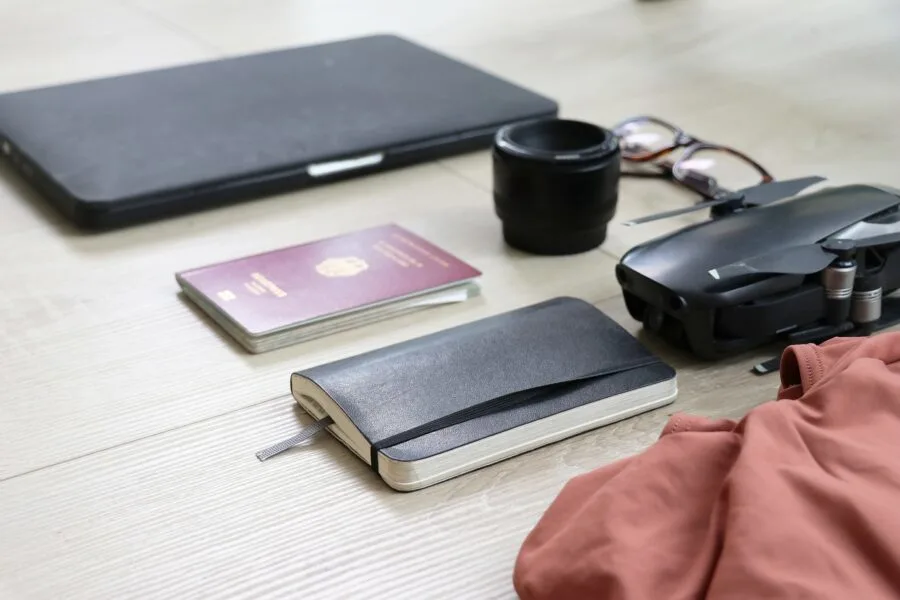
Image by Edeltravel_ from Pixabay
I know it’s not easy to uproot the entire family and leave your current abode. Besides the initial panic, you also have big feelings squirming inside your chest. But don’t give up! Take it one step at a time, and everything will be fine.
Plus, I’m here to help you plan the move.
Everything Starts with a Destination
The next place you and your family will call home must have more than palm trees and cheap wine, though, let’s be honest, they help. You need to consider schools, healthcare, cost of living, and whether the locals will welcome noisy kids with open arms (or side-eyes).
So, take some time and do research. If you don’t know where to start, the Office for National Statistics says that over 49,000 Brits emigrate every year, with popular destinations including Australia, Spain, and the UAE.
When you look for information, focus on things like:
- The state of the education system.
- Access good healthcare.
- Family-friendly neighbourhoods.
- Good public transport systems.
- A varied culinary scene.
Top tip: If you like the sun, leisurely life, friendly people, and meeting new people from all over the world, Greece is a fantastic destination. Check out a few properties for sale in Greece, and you might be hooked.
Steps to Plan the Move
Once the location is set and everyone’s on board, it’s time to get things moving. Here are the steps to take first:
1. Check Paperwork: Visas, Vaccines, and More
Depending on where your new home town is on the map, you’ll need a series of documents, such as:
- Visas for every family member.
- Copies of birth certificates, school records, and medical records (plus translations in the local language).
- Vaccination updates.
- International health insurance.
Keep in mind that processing times vary. For example, a visa for Australia can take 6 to 12 weeks. So start early and keep digital and printed copies of everything.
Extra tip: Organise everything in easy-to-browse folders so you won’t have to dig through everything when you need to check your vaccine updates.
2. Schooling and Settling In
Jobs and accommodation can be difficult to find, but schools can be a real pain. You want the best for your young ones, so it can be tough to decide whether to go local, bilingual, or international.
There’s no right answer here. Talk it out with your partner and decide on what works best for your children and lifestyle.
I suggest starting to research schools early. Many offer virtual tours, and local expat online groups can be a great place to get some honest feedback. Once you’ve chosen, help your child adjust by talking about what to expect, encouraging new hobbies, and looking into buddy systems.
3. Packing Up
Do you go with a relocation company or brave the DIY route? This is the big question.
If your budget allows, a full-service international mover can be a lifesaver. They’ll pack your things, sort customs paperwork, ship everything door-to-door, and may even unpack on the other end.
Here’s what to look for:
- Companies with solid reviews and international experience.
- Insurance that covers loss or damage.
- A clear quote (watch for hidden fees like port charges or customs clearance).
The DIY approach is not that scary if you’re not moving too far away or if you want to start fresh at the new home. It also works if you want to take everything, but you need a solid plan to make things as stress-free as possible.
Here’s how to keep your sanity:
- Start early: Begin packing non-essentials (off-season clothes, books, spare toys, etc) 6 to 8 weeks ahead.
- Declutter: Don’t pay to ship things you don’t love. Sell, donate, or recycle ruthlessly.
- Use quality boxes: Invest in sturdy boxes or source free ones from local shops. Label them with the room and contents so it’s easier to figure things out when unpacking.
- Ship smart: For large moves, consider international freight shipping via sea container. You can book a full container (FCL) or share one (LCL) to save money. For smaller loads, parcel couriers (DHL, FedEx, etc.) may be enough, but watch the weight limits.
- Pack an essentials suitcase: This is your survival kit with clothes, meds, chargers, important documents, and the kids’ favourite bedtime items. Your shipping container might take weeks to arrive, so it helps to have these items ready.
In Summary
Relocating abroad with a family is brave, bold, and absolutely doable with a good plan. There will be bumps (and possibly tantrums in customs), but also incredible memories, new friends, and lots of growth for every member of your crew.