
Inside: How To Clean Your Tongue for Improved Oral Hygiene. Collaborative post.
When it comes to oral hygiene, most people focus on brushing their teeth and using dental floss. While these are essential practices, one often-overlooked aspect of a healthy mouth is cleaning your tongue. Your tongue harbours harmful bacteria, food debris, and dead cells, which can lead to bad breath, plaque buildup, and other oral health issues if not properly cleaned.
If you’ve never given much thought to tongue cleaning or want to improve your routine, this guide will walk you through everything you need to know.

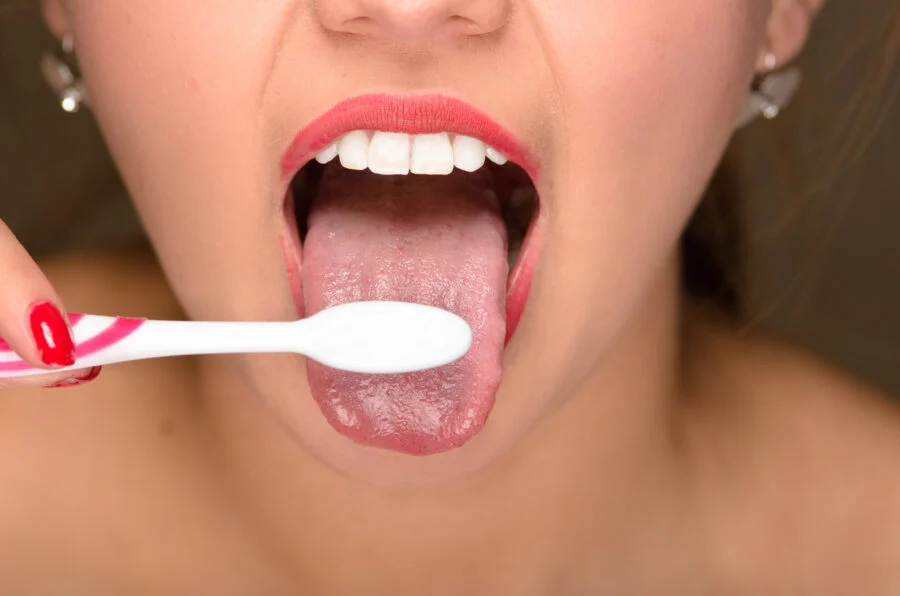
Why Cleaning Your Tongue is Important
Your tongue is a breeding ground for bacteria. It has a rough surface filled with tiny crevices where bacteria and debris accumulate. If left unchecked, these bacteria contribute to bad breath (halitosis), gum disease, and even tooth decay. Proper tongue cleaning can:
- Eliminate bad breath – A coated tongue is one of the leading causes of bad breath. Removing bacteria from your tongue helps keep your breath fresh.
- Enhance taste perception – A clean tongue allows your taste buds to function properly, making your meals more enjoyable.
- Reduce plaque buildup – Bacteria from your tongue can transfer to your teeth, increasing the risk of cavities and gum disease.
- Improve overall oral hygiene – A cleaner mouth means fewer oral health problems in the long run.
Now that you understand the importance of cleaning your tongue, let’s discuss the best methods to do it.
Methods for Cleaning Your Tongue
There are a few effective ways to clean your tongue, and the best method depends on your preference. You may find that some trigger your gag reflex more than others. Here are the most common techniques:
1. Using a Tongue Scraper
A tongue scraper is a specially designed tool to remove bacteria and debris from the tongue’s surface. It’s usually made of plastic or metal and has a curved edge to gently scrape the tongue.
How to Use a Tongue Scraper:
- Stick out your tongue and place the scraper at the back of the tongue.
- Gently pull the scraper forward on the surface of the tongue, applying gentle pressure.
- Rinse the scraper after each pass and repeat a few times until your tongue looks clean.
- Rinse your mouth with water or mouthwash afterward.
Using a tongue scraper is the best way to clean your tongue, and many people find it quick and easy to incorporate into their oral hygiene routine.
2. Brushing Your Tongue with a Toothbrush
If you don’t have a tongue scraper, you can use your toothbrush to clean your tongue. Many toothbrushes have a built-in tongue cleaner for this purpose.
How to Brush Your Tongue Properly:
- Apply a small amount of toothpaste to your toothbrush.
- Gently brush your tongue in a back-and-forth and side-to-side motion.
- Avoid pressing too hard to prevent irritation.
- Rinse your mouth thoroughly with water or mouthwash.
While a toothbrush can be effective, it may not remove as much buildup as a tongue scraper.
3. Using a Mouthwash or Antiseptic Rinse
A mouthwash or antiseptic rinse can help kill bacteria on your tongue, especially when used in combination with other cleaning methods.
How to Use Mouthwash for Tongue Cleaning:
- Pour the recommended amount of mouthwash into a cup.
- Swish it around in your mouth for about 30-60 seconds.
- Gargle to ensure the liquid reaches the back of your tongue.
- Spit it out and avoid eating or drinking for at least 30 minutes.
Antiseptic mouthwashes containing ingredients like chlorhexidine or cetylpyridinium chloride are particularly effective at reducing bacteria.
How Often Should You Clean Your Tongue?
For optimal oral health, you should clean your tongue at least once a day, preferably during your morning or evening brushing routine. If you suffer from persistent bad breath or buildup (white coating on the tongue surface), you may benefit from cleaning your tongue twice daily.
Additional Tips for a Healthy Tongue
Aside from regular cleaning, here are some extra tips to maintain a healthy tongue and overall oral hygiene:
- Stay hydrated – Drinking plenty of water helps wash away bacteria and food particles.
- Avoid smoking and excessive alcohol consumption – These habits can contribute to tongue discolouration and increased bacterial growth.
- Maintain a balanced diet – Eating a healthy diet rich in fruits, vegetables, and whole foods helps keep your tongue and mouth clean.
- Regular dental checkups – Visiting your dentist regularly ensures that any potential oral health issues, including tongue-related concerns, are addressed early.
Signs Your Tongue Needs Extra Attention
Sometimes, your tongue may show signs that it needs more thorough cleaning or medical attention. Here’s what to watch for:
- Persistent bad breath even after brushing and cleaning your tongue
- A white, yellow, or brown coating on your tongue
- Pain or soreness that doesn’t go away
- Changes in texture or the appearance of bumps
If you notice any of these issues persisting despite proper tongue hygiene, consult a dentist or doctor.
Final Thoughts
Cleaning your tongue is a simple yet important step in maintaining fresh breath and overall oral health. Whether you use tongue scraping, toothbrush, or mouthwash, incorporating regular tongue cleaning into your daily routine can make a significant difference. Start tongue brushing today and enjoy a cleaner mouth, fresher breath, and improved oral hygiene!