
Inside: How Long Can Sourdough Dough Stay in the Fridge?
Sourdough bread has become increasingly popular with home bakers in recent years, beloved for its tangy flavour, chewy texture, and wholesome ingredients. One of the most important steps in making sourdough bread is allowing the dough to ferment, which can often be a long process involving both room-temperature and refrigerated fermentation.
But what if life gets in the way, and you need to store your dough for longer? How long can sourdough dough stay in the fridge before it’s no longer good to use?
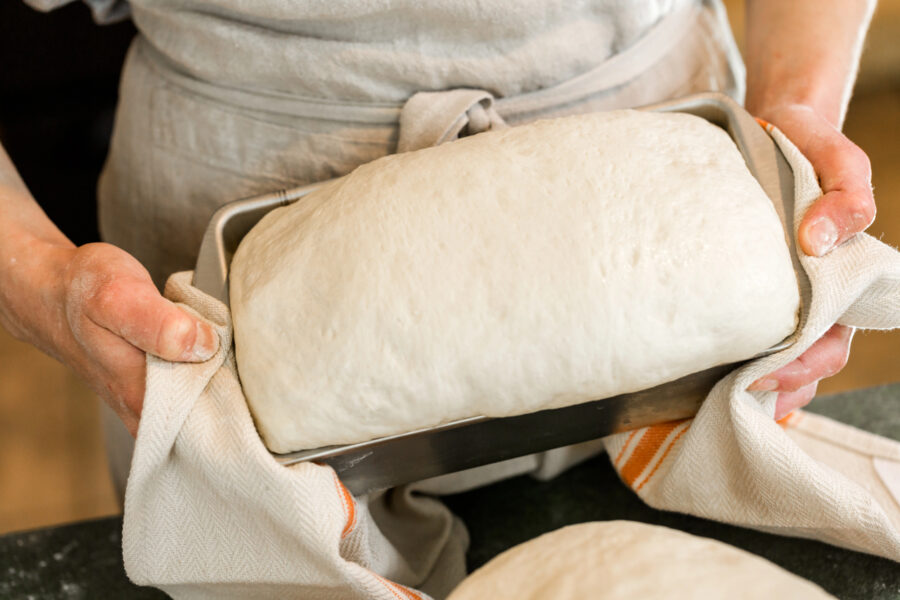

In this comprehensive blog post, we’ll explore the intricacies of sourdough fermentation, refrigeration, and dough longevity. Whether you’re new to sourdough baking or an experienced baker looking to optimize your bread-making process, this guide will help you understand how refrigeration affects sourdough dough and provide tips for maximizing dough shelf life.
Is your starter struggling? Find out how to revive a sourdough starter here!
Discover all of my sourdough posts in the series.
The Basics of Sourdough Fermentation
Before diving into how refrigeration affects sourdough dough, it’s important to understand the basic fermentation process. Sourdough relies on wild yeast and lactic acid bacteria to ferment the dough, which gives sourdough bread its unique flavour and texture.
These microorganisms are naturally present in flour and become active when mixed with water, feeding on the carbohydrates and producing carbon dioxide, which makes the dough rise.
The fermentation process is essential for developing the dough’s structure, flavour, and digestibility. However, the timing of fermentation is critical. Ferment too little, and your dough will be dense and underdeveloped. Ferment too much, and the dough can become over-fermented, leading to sour, tough bread that’s difficult to work with.
The Role of Refrigeration in Sourdough Fermentation
Refrigeration plays an important role in slowing down fermentation activity. When sourdough dough is placed in the fridge, the cold temperature reduces the activity of the yeast and bacteria, effectively putting the dough into a kind of “hibernation.” This allows the dough to ferment more slowly and for a longer period without the risk of over-fermentation.
Many sourdough bakers utilize refrigeration as part of their standard process, particularly during the bulk fermentation or final proofing stage. This is often referred to as a “cold retard,” where the dough is placed in the fridge to slow down the yeast activity, allowing the flavours to develop over a longer period. The result is often a more complex, tangy flavour and a better texture in the final loaf.
How Long Can Sourdough Dough Stay in the Fridge?
Now, the big question: how long can sourdough dough stay in the fridge before it’s no longer usable? The answer depends on several factors, including the ingredients used, the stage of fermentation, and the conditions inside your fridge.
1. Bulk Fermentation Stage
During the bulk fermentation stage, when the dough has been mixed but not yet shaped, it can typically stay in the fridge for up to 48 to 72 hours. Some bakers even let their dough sit for longer, but the general consensus is that 72 hours is the maximum time to leave the dough in the fridge during bulk fermentation without affecting the quality.
Leaving the dough in the fridge for longer than 72 hours can lead to over-fermentation. This can cause the dough to become overly sour, develop a sticky texture, and lose its ability to rise properly. In extreme cases, the dough might collapse and become unusable. However, if you prefer a very tangy sourdough flavour, you might experiment with longer refrigeration times and find a flavour that suits your preferences.
2. Shaped Dough (Final Proofing)
If the dough has already been shaped and you are refrigerating it for the final rise, it can typically last 12 to 24 hours in the fridge before baking. The exact time depends on the dough’s hydration level, the temperature of your fridge, and how much the dough has fermented prior to shaping. Dough that has been shaped and is undergoing its final proof is more fragile than dough in bulk fermentation, so it is more prone to over-proofing if left too long.
If you exceed 24 hours during the final proof, you risk the dough losing its structure, which can lead to a flat, dense loaf when baked. Additionally, the dough may become too sour for some people’s taste. However, if you’re seeking a deeply flavoured, tangy loaf, a longer final proof may be beneficial.
3. Hydration and Refrigeration Time
Another important factor to consider when determining how long sourdough dough can stay in the fridge is the dough’s hydration level. Hydration refers to the amount of water in the dough compared to the amount of flour. Higher hydration doughs (those with more water) are more prone to over-fermentation, particularly during extended refrigeration.
For example, a dough with 70-75% hydration might hold up well in the fridge for 48 to 72 hours during bulk fermentation, while a dough with 80-85% hydration may over-ferment more quickly and should not be left in the fridge for more than 48 hours.
Signs That Sourdough Dough Has Been in the Fridge Too Long
Over-fermented sourdough dough is not only harder to handle, but it can also result in poor-quality bread. Here are some signs that your dough has been in the fridge for too long:
1. Collapsed Dough
If your dough has collapsed and appears deflated after taking it out of the fridge, it’s likely that it has over-fermented. When dough over-ferments, the gluten structure weakens, and the gas produced by the yeast escapes, causing the dough to lose its shape.
2. Excessive Sourness
Sourdough naturally has a tangy flavour, but over-fermented dough can have an excessively sour taste due to the buildup of lactic acid and acetic acid produced by the bacteria. If your dough smells overwhelmingly acidic, it may have been in the fridge too long.
3. Sticky or Slack Texture
Another sign of over-fermentation is a dough that feels overly sticky, wet, or slack. This indicates that the gluten network has broken down, and the dough is no longer able to hold its shape. It will be challenging to work with and may result in a flat, dense loaf.
4. Cracked or Dry Surface
If the surface of your dough appears dry or cracked, it may be a sign that the dough has been in the fridge too long and has lost too much moisture. This can happen if the dough is not covered properly while in the fridge, allowing the surface to dry out.
Extending Dough Shelf Life in the Fridge
If you need to keep your sourdough dough in the fridge for an extended amount of time, there are a few tips you can use to help prevent over-fermentation and prolong its shelf life:
1. Lower the Fridge Temperature
The colder the fridge, the slower the fermentation process. If you know you need to store your dough for longer than usual, you can lower the temperature of your fridge to slow down yeast and bacterial activity. Just be mindful that the fridge should not be so cold that the dough freezes, as this can damage the dough’s structure.
2. Use Less Starter
Using a smaller amount of sourdough starter in your dough can slow down fermentation and allow you to keep the dough in the fridge for a longer period without the risk of over-fermenting. For example, if a recipe calls for 20% starter, you can reduce it to 10-15% to extend the fermentation time.
3. Add More Salt
Salt also slows down fermentation by inhibiting yeast activity. If you plan to keep your dough in the fridge for longer than 72 hours, you can try adding an extra 1-2% salt to your dough to extend its shelf life. However, be cautious with this method, as too much salt can affect the dough’s flavour and texture.
4. Freeze the Dough
If you know you won’t be able to bake your sourdough bread within a few days, freezing might be the best way for you. Sourdough dough can be frozen at different stages of fermentation (either before or after shaping). Simply wrap the dough tightly in a plastic bag or store it in an airtight container before placing it in the freezer. When you’re ready to bake, allow the dough to thaw in the fridge overnight before proceeding with the next step.
Best Practices for Storing Sourdough Dough in the Fridge
To ensure the best possible outcome when storing sourdough dough in the fridge, follow these best practices:
1. Cover the Dough Properly
To prevent the dough from drying out or absorbing any unwanted odours from the fridge, make sure to cover it tightly. You can use plastic wrap, a damp cloth, or an airtight container to keep the dough protected while it’s in the fridge.
2. Monitor the Dough
Check on your cold dough periodically while it’s in the fridge. If it appears to be rising too quickly, you may need to bake it sooner than anticipated. Conversely, if the dough doesn’t appear to be rising at all, it may be too cold, and you can let it sit at room temperature for a short time to jumpstart fermentation.
3. Keep the Dough Away from Strong Smells
Refrigerators can harbour strong odours from various foods, such as onions, garlic, or cheese. Since dough can absorb these smells, try to store your sourdough dough in a separate area of the fridge or in an airtight container to avoid contamination.
Final Thoughts
One of the joys of sourdough baking is its flexibility. While sourdough dough can generally stay in the fridge for up to 48 to 72 hours during bulk fermentation, every baker’s process is different. Experimenting with refrigeration times can help you find the balance between flavour development and dough handling that works best for you.
By understanding how temperature, hydration, and time affect sourdough dough, you can confidently store your dough in the fridge and get the best results whenever it fits your schedule.
So, how long can sourdough dough stay in the fridge? The good news is that with the right techniques and careful attention, you can successfully store your dough for several days without compromising its quality. Happy baking!