
Inside: Flower Window Boxes: Design Tips for Color and Balance. Collaborative post.
Enhancing your home’s exterior often starts with small, intentional changes. Window boxes offer a practical way to introduce nature into your living space without requiring a full-scale garden. Achieving a professional look depends on how you manage color and visual weight. If you plan carefully, these containers can transform a plain wall into a focal point that looks cohesive rather than cluttered.

Choosing Your Foundation
Selecting the right container is the first step in your project design. You want a material that supports the health of your plants while matching the look of your house. Many homeowners choose cellular PVC material because it provides a clean finish that doesn’t rot or warp over time. This specific material works well for those who want the appearance of painted wood without the constant upkeep.
When you install these boxes, consider the weight of the soil and water. Unlike a heavy wrought iron rack that might require specialized masonry anchors, PVC options are often lighter but still very sturdy. Make sure the size of the box fits the width of your window frame.
A box that is too short makes the window look narrow, while one that matches the trim creates a sense of intentionality and permanence. The standard measurements from Flower Window Boxes and other trusted providers often allow for a precise fit across a variety of window widths and siding types.
Balancing Color and Texture
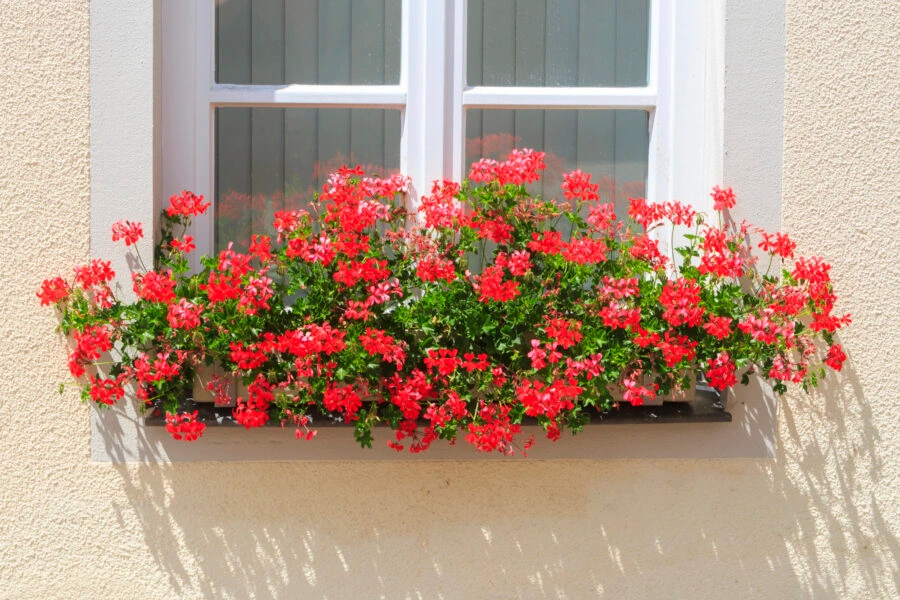
Color plays a major role in how people perceive your home. To create a balanced look, start with a primary color that complements your siding or shutters. If your house has neutral tones, you can use vibrant flowers like red geraniums or purple petunias to add a splash of energy. If your home already has a bold paint color, consider white or soft pastel blooms to prevent the visual landscape from becoming overwhelming.
Variability in leaf shape also matters. Mixing broad-leafed plants with fine-textured grasses creates a layered effect. You might want to include some artificial plants if you have a high window that is difficult to reach, though most people prefer living greenery for the scent and movement it provides. Avoid overcomplicating the palette. Sticking to three main colors usually keeps the arrangement looking organized and sophisticated.
Structural Arrangement and Spacing
Professional designers often use the ‘thriller, filler, and spiller’ method to organize containers. The ‘thriller’ is a tall plant placed in the center or back to provide height. ‘Fillers’ are mounded plants that occupy the middle space, and ‘spillers’ are vines that hang over the front edge. This method ensures that the box looks full from every angle.
While hanging baskets often look best when they are overflowing and spherical, window boxes require a more linear balance. You want the height of the plants to stay below the actual glass pane so you don’t block your view from the inside or prevent natural light from entering the room.
If you prefer a more rustic or farmhouse look, you could even tuck a burlap sack around a specific pot inside the box to add a different texture, though most people prefer a cleaner interior.
Practical Maintenance for Longevity
The health of your plants directly affects the look of your display. Wilted or brown leaves quickly detract from your home’s appearance. Using high-quality potting soil is essential because it retains moisture better than dirt from your yard.
Some modern containers include self-watering capabilities, which use a reservoir to provide a steady supply of hydration to the roots. This feature is particularly helpful during hot summer months when the soil in small containers dries out quickly.
To protect the interior of a traditional window planter, many people use plastic liners. These liners allow you to swap out seasonal displays easily without digging out the entire box. You can simply lift the liner out and replace it with new soil and plants as the weather changes. This makes container gardening much more manageable for busy people who still want a beautiful exterior.
Matching Your Home’s Style
Different architectural styles require different approaches to greenery. A modern home with clean lines and large windows looks best with minimalist plantings, such as uniform rows of grasses or a single species of flower. A Victorian or colonial home can handle more ornate, cascading arrangements with multiple varieties of flowers.
Thinking about these details helps increase your curb appeal significantly. It shows that you care about the small details of your property. If you live in a climate with harsh winters, you can even use your window boxes during the off-season by filling them with evergreen branches, pinecones, or birch logs. This keeps the front of your house looking lived-in and welcoming throughout the entire year.
Adding decorative designs like brackets or corbels underneath the boxes can also help them feel like a part of the architecture rather than an afterthought. These supports provide a finished look and help distribute the weight of the box safely. By focusing on these elements of color, balance, and structural integrity, you create a garden space that enhances your home for years.
Creating an attractive window box display is a straightforward way to improve your home’s exterior. By focusing on the balance of your plant heights and choosing a color palette that complements your siding, you can ensure your containers look professional and intentional.
Remember that the longevity of your display depends as much on the quality of the materials as it does on the plants themselves. Using durable containers and reliable watering methods will save you time and keep your greenery looking fresh. With a little bit of planning and regular maintenance, these small garden spaces will provide a consistent boost to your home’s character throughout every season.