
Inside: Creating a Calmer Nursery: Small Details That Help Baby Sleep and Mum Feel More in Control. Collaborative post.
Preparing a nursery can feel surprisingly emotional.
At first, it seems practical. There is a cot to choose, drawers to organise, tiny sleepsuits to fold, and endless lists of things that may or may not be necessary. But somewhere between choosing bedding and arranging the changing station, the nursery becomes something more than a room.
It becomes the place where late-night feeds will happen. Where first smiles may appear. Where tired parents will sit quietly in the dark, hoping the baby settles for just a little longer.
For many mums, especially in those final weeks of pregnancy or the early newborn days, the pressure to create a “perfect” nursery can feel overwhelming. Social media is full of beautifully styled spaces, matching furniture sets and carefully curated shelves. But in real family life, what matters most is not perfection.
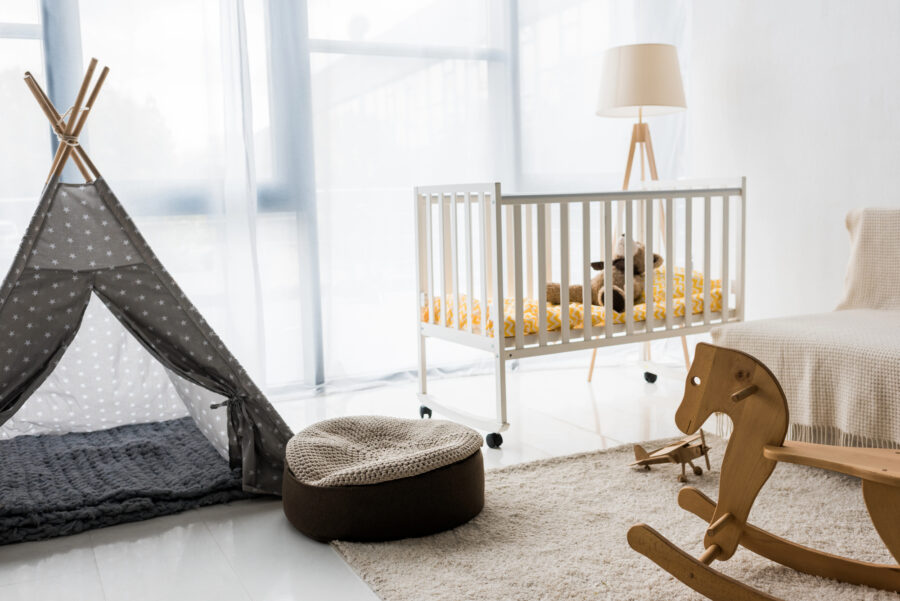
It is calm.
A calm nursery supports baby, but it also supports mum. It makes routines easier, reduces visual overwhelm, and creates a space that feels gentle rather than chaotic. Small details — soft lighting, simple storage, breathable fabrics and a thoughtfully chosen mobile from places such as Baby Cot Mobile UK — can help turn the nursery into a soothing environment without making it feel overdesigned.
The best nurseries are not the most expensive ones. They are the ones that feel safe, peaceful and easy to use at 2am.
Start With Less, Not More
One of the most helpful things parents can do when planning a nursery is to resist the urge to fill every corner.
Babies do not need crowded rooms. In fact, too much visual stimulation can make a space feel busy for both baby and parent. A calm nursery often begins with fewer things, chosen more intentionally.
A simple cot, a comfortable chair, a practical changing area and a few soft decorative touches are usually enough in the early months. Open floor space helps the room feel easier to move around in, especially during night feeds or nappy changes when everyone is tired.
This does not mean the nursery needs to feel plain. It simply means every item should have a purpose.
When the room feels uncluttered, the mind feels less cluttered too.
Lighting Changes the Whole Mood
Lighting is one of the most important details in a nursery, yet it is often overlooked.
Bright overhead lighting may be useful when cleaning or organising, but it rarely supports a calm bedtime routine. During evening feeds and nighttime wakes, soft lighting helps keep the atmosphere gentle.
A warm lamp, dimmable light or low night light can make a huge difference. It allows mum or dad to see what they are doing without fully waking the baby or making the room feel harsh.
Over time, lighting becomes part of the rhythm of bedtime. When the room dims, baby begins to associate the change with rest. For parents, that softer lighting can also help create a feeling of quiet, even after a long and overstimulating day.
Think About What Baby Sees
Adults often decorate a nursery from their own eye level. We think about how the room looks when we walk in, what guests will notice, and how the furniture fits together.
But babies experience the nursery differently.
In the early months, babies spend much of their time lying down. Their view is often the ceiling, the wall beside the cot, or the gentle shapes above them. This is where a cot mobile can become more than just decoration.
A well-designed mobile provides soft movement and a simple visual focus. It gives baby something calm to look at during quiet awake moments, without the brightness or noise of overstimulating toys.
The key is choosing something gentle. Soft colours, simple shapes and slow movement are often more soothing than bold, flashing or overly busy designs.
A mobile can also become part of the bedtime pattern. Bath, pyjamas, feed, soft light, quiet room, gentle movement overhead. These small repeated cues help create predictability, which is comforting for babies and reassuring for parents.
Make the Changing Area Easy to Use
A calm nursery also needs to be practical.
When a baby is crying in the middle of the night, nobody wants to search through drawers for wipes, nappies or a clean sleepsuit. Keeping the changing area organised can reduce stress significantly.
A few simple systems help:
● Keep nappies, wipes and cream within arm’s reach.
● Store spare sleepsuits in the top drawer or a nearby basket.
● Use small containers to separate tiny items.
● Keep a laundry basket close by for quick changes.
The goal is not to create a picture-perfect changing station. It is to create one that works when you are tired.
Practical design is a form of calm.
Use Soft Textures Without Overcrowding the Cot
Textures play a big role in making a nursery feel cosy. Soft rugs, cotton muslins, knitted blankets and linen curtains can all add warmth to the room.
However, it is important to keep safe sleep guidance in mind. The cot itself should remain clear for sleep, with no loose blankets, cushions or soft toys around baby.
Instead, softness can be added around the room:
● A rug under the feeding chair
● A blanket over the chair for mum
● Soft curtains to filter daylight
● Baskets made from natural materials
● Gentle wall décor or fabric details
This keeps the nursery warm and inviting while maintaining a safe sleep space.
Create a Corner for Mum Too
Nurseries are designed for babies, but mums spend a lot of time in them.
A comfortable chair, a small table for water, a phone charger, a muslin within reach and a soft cushion can make long feeds feel more manageable.
This little corner does not need to be elaborate. It simply needs to acknowledge that mum matters too.
In the early months, so much attention goes to the baby that mothers can easily forget their own comfort. A nursery that supports the parent is more likely to support the whole family.
A calm chair in the corner can become a place for feeding, cuddling, crying, resting and bonding. It becomes part of the emotional memory of the room.
Keep the Colour Palette Gentle
Colour has a real effect on how a room feels.
Soft neutrals, warm whites, muted greens, gentle blues, blush tones and natural wood finishes often work beautifully in nurseries because they create a quiet backdrop. These colours are easy to live with and unlikely to feel overwhelming.
That does not mean everything has to be beige. A nursery can still have personality. The trick is to choose colour intentionally rather than using too many competing shades.
A few meaningful accents — a print, a mobile, a small shelf of books — can bring the room to life without making it feel busy.
Build a Routine Around the Room
A nursery becomes calming not only because of how it looks, but because of what happens there repeatedly.
Babies learn through rhythm. When the same sequence happens each evening, the room itself becomes part of the routine.
For example:
Bath.
Pyjamas.
Feed.
Dim light.
Quiet cuddle.
Cot.
Mobile.
Sleep.
Of course, bedtime will not always go smoothly. Babies are not robots, and some nights will feel long no matter how beautifully the room is arranged.
But a consistent environment helps. It gives parents something steady to return to, even when the day has been unpredictable.
Calm Does Not Mean Perfect
The most important thing to remember is that a calm nursery does not need to look like a magazine.
There may be nappies on the changing table. A half-finished cup of tea beside the chair. Laundry waiting in the basket. A baby who refuses to sleep despite every gentle cue in the world.
That is real life.
The purpose of a calm nursery is not to create perfection. It is to make daily care feel a little softer and more manageable.
It is the warm light during a night feed.
The organised basket that saves you from searching.
The gentle movement above the cot.
The chair that holds both mum and baby through tired evenings.
Small details can make a big difference — not because they solve everything, but because they support the rhythm of family life.
And in the early months, that support matters more than almost anything.