
Inside: Allergy-Proof Your Home: Simple Steps to Breathe Easy. Collaborative post.
Allergies can make life uncomfortable, especially when your home, which should be your safe space, is filled with triggers. Whether it’s pollen, dust mites, pet dander, or mold spores, these allergens can wreak havoc on your health. The good news is, creating an allergen-free environment at home is simpler than you might think. Let’s explore some easy steps to allergy-proof your home, so you can breathe easy year-round.

1. Invest in an Air Purifier
One of the simplest and most effective ways to combat airborne allergens is by using an air purifier for allergies. Air purifiers are designed to remove particles like dust, pollen, and even pet dander from the air, providing a cleaner and healthier breathing space. When choosing an air purifier, consider a model with a HEPA filter, which is highly effective at capturing small particles that can trigger allergies. Place purifiers in the rooms you spend the most time in, such as your bedroom and living room, for maximum benefit.
2. Keep Your Windows Closed During Peak Allergy Seasons
As tempting as it may be to let in some fresh air, open windows can allow pollen, dust, and other outdoor allergens to enter your home. This is especially problematic during peak allergy seasons, such as spring and fall. Instead, opt for ventilation systems that filter the air, or use your air conditioner to maintain airflow without exposing your home to allergens.
3. Regularly Clean and Declutter Your Home
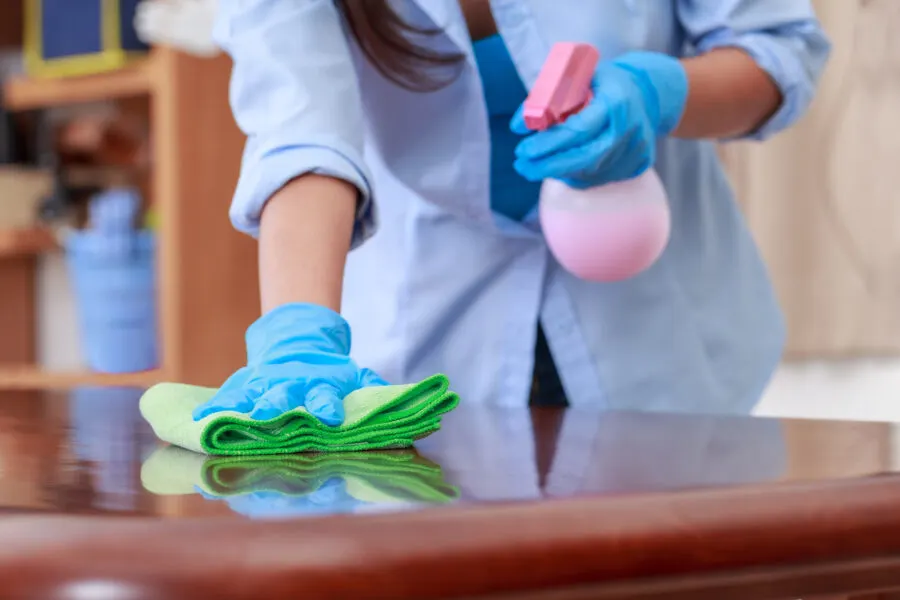
Allergens like dust mites thrive in cluttered, dusty environments. Regular cleaning can drastically reduce the presence of these unwanted guests. Here are a few tips to ensure your cleaning routine is effective:
- Dust surfaces weekly: Use a damp cloth or microfiber duster to prevent spreading allergens into the air.
- Vacuum frequently: If possible, use a vacuum cleaner with a HEPA filter to trap allergens instead of releasing them back into the air.
- Wash bedding often: Wash bed linens, pillowcases, and blankets in hot water at least once a week to kill dust mites.
- Declutter regularly: Reduce the number of items that collect dust, such as books, decorative pillows, and knick-knacks.
4. Choose Hypoallergenic Bedding and Furnishings
Your bedroom can be a haven for dust mites and other allergens, particularly in mattresses and pillows. Switching to hypoallergenic bedding materials can make a big difference. Opt for dust-mite-proof pillow cases and mattress covers to minimize exposure to these tiny allergens. Additionally, consider replacing heavy curtains with washable, lighter fabrics to reduce dust buildup.
5. Say Goodbye to Carpets and Rugs
While carpets and rugs may add comfort and warmth to your home, they’re also major culprits when it comes to harboring allergens. If you’re serious about allergy-proofing your space, consider replacing carpets with hardwood, tile, or laminate flooring, which are much easier to clean. If removing carpets isn’t an option, ensure they’re vacuumed regularly with a HEPA-filter vacuum, and deep-clean them at least once or twice a year.
6. Control Humidity Levels
Excess humidity can create the perfect environment for mold growth, a common allergen. To keep humidity levels in check, invest in a dehumidifier and aim to maintain indoor humidity between 30% and 50%. Additionally, ensure that your bathroom and kitchen are well-ventilated to prevent mold from thriving in damp areas.
7. Limit Pet Access in Allergy-Prone Areas
Pet dander can be a major allergen for many individuals. If you have pets, try to limit their access to certain areas of your home, particularly the bedroom. Regular grooming and bathing of your pets can also reduce the amount of dander in your home. Additionally, washing your pet’s bedding and toys frequently will help keep allergies at bay.


8. Keep Indoor Plants in Check
While plants can enhance the aesthetic of your home and improve air quality, they can also be a source of mold. To prevent mold growth, avoid overwatering your plants and remove dead leaves and debris from the soil. You can also opt for plants that are less likely to trigger allergies, such as snake plants or peace lilies.
9. Use Allergen-Proof Curtains and Blinds
Fabric curtains can trap dust and allergens, making it harder to keep your home allergy-free. Consider switching to allergen-proof curtains or blinds made from materials like bamboo or plastic, which are easier to clean. If you prefer fabric curtains, make sure to wash them regularly in hot water to remove dust and allergens.
10. Monitor and Improve Indoor Air Quality
It’s important to monitor the air quality in your home, particularly if you or someone in your household suffers from allergies. Indoor air quality monitors can help you detect the presence of pollutants and allergens. Along with using air purifiers, regularly checking your indoor air quality ensures that your allergy-proofing efforts are paying off.
Creating an allergy-proof home doesn’t have to be overwhelming. With a few simple changes—such as using an air purifier, maintaining cleanliness, and controlling humidity—you can significantly reduce allergens and improve your overall quality of life. By making these adjustments, you’ll be able to breathe easier and enjoy a more comfortable, allergen-free home.
Whether you’re sensitive to pollen, dust mites, or pet dander, following these steps can help you create a cleaner and healthier living space for you and your family.