
Inside: Air Purifying Plants to Improve Air Quality in Your Home
We often overlook the importance of clean air in our living spaces, but with indoor air pollution on the rise due to various factors like chemicals from cleaning products, it’s essential to find natural solutions to purify the air we breathe.
Enter air purifying plants – not only do they add beauty to our homes, but they also act as natural air filters, improving air quality and promoting better health.

In this blog post, we’ll explore the benefits of plants in the home, how they act as air purifiers, and provide a list of air-purifying plants to enhance your indoor environment.
Benefits of Plants in the Home:
Before we dive into the specifics of air-purifying plants, let’s take a moment to appreciate all of the benefits of having plants in your home:
Improved Air Quality
Plants absorb carbon dioxide and other pollutants from the air through a process called photosynthesis, releasing fresh oxygen in return. This natural air filtration process helps to remove harmful toxins and chemicals, resulting in cleaner, fresher air indoors.
Enhanced Mood and Wellbeing
Studies have shown that being surrounded by greenery in indoor spaces as well as outdoors can have a positive impact on mental health, reducing stress, anxiety, and depression. The presence of plants in the home can create a sense of calm and connection to nature, promoting overall wellbeing.
Natural Humidifiers
Many houseplants release moisture into the air through a process called transpiration, which can help to increase humidity levels in dry indoor environments. This is especially beneficial during the winter months when heating systems can create dry indoor air.
Noise Reduction
Certain plants have the ability to absorb sound waves, helping to reduce noise levels and create a more peaceful and serene atmosphere in your home.
Why do we need air purifiers?
Studies have shown that air pollutants are found in higher quantities in our homes. Which makes sense as the air cannot circulate as freely as outdoors when we shut our windows and doors to the outside.
Plus, with common household products containing harmful chemicals, we are adding to the number of airborne toxins on a daily basis. In the summer months, we throw open the windows and doors, but in the colder months we need a form of air purification to help clean our air.

How Plants Act as Air Purifiers:
Plants purify the air through a combination of mechanisms, including:
Absorption
Plants absorb airborne pollutants through tiny openings in their leaves called stomata. Once inside the plant, these pollutants are broken down and neutralised by various enzymes and microorganisms present in the plant’s tissues.
Adsorption
Some house plants have specialised structures on their leaves and stems, such as trichomes and cuticles, that can trap and hold onto airborne particles like dust, pollen, and volatile organic compounds (VOCs).
Microbial Activity
The soil and root system of plants provide a habitat for beneficial microorganisms that help to break down and decompose organic pollutants, effectively removing them from the air.
List of Air-Purifying Plants
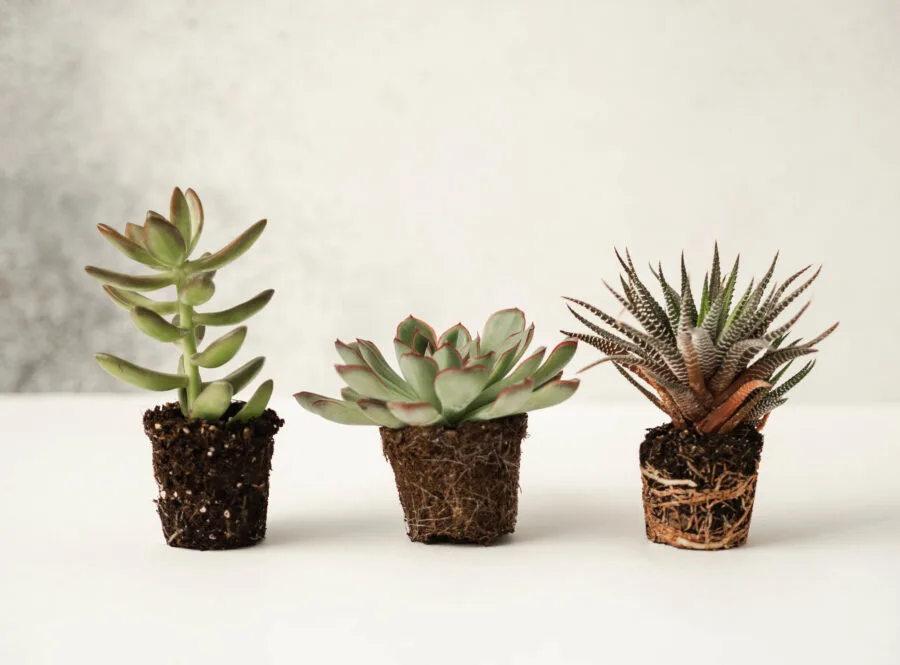
Succulents are a low-maintenance plant which makes them a popular choice for anyone looking for minimal care needs. Here are some of the best succulents known for their air-purifying properties:
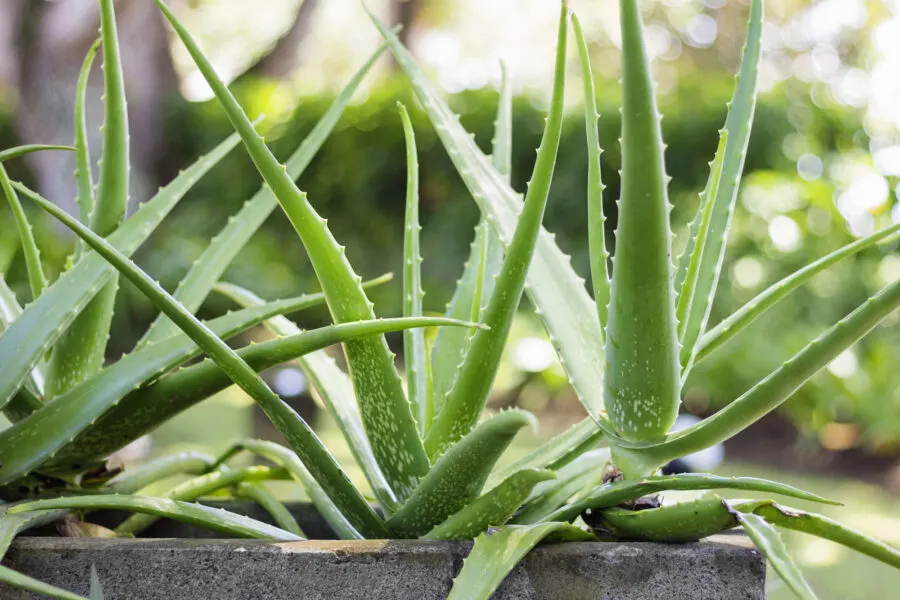
Aloe Vera (Aloe barbadensis)
In addition to its soothing gel, Aloe Vera is also an excellent air purifier, known for its ability to remove formaldehyde and benzene from the air.
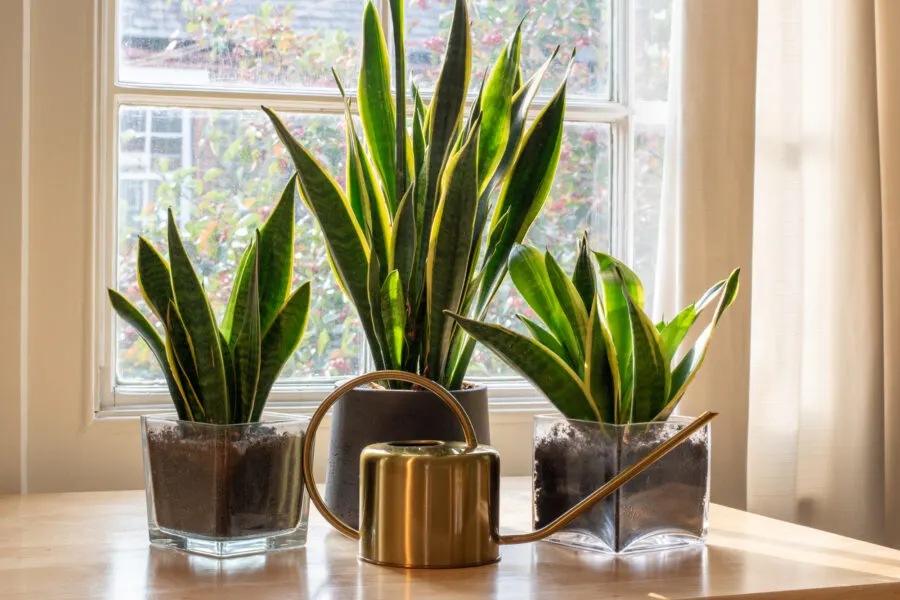
Snake Plant (Sansevieria trifasciata)
Also known as Mother-in-law’s Tongue, the Snake Plant is highly effective at filtering out formaldehyde, nitrogen oxide, and other harmful toxins.

ZZ Plant (Zamioculcas zamiifolia)
The ZZ Plant is a resilient succulent that can thrive in low-light conditions and is known for its ability to remove toxins like xylene, toluene, and benzene from the air.
Jade Plant (Crassula ovata)
This popular houseplant not only brings good luck and prosperity but also helps to purify the air by absorbing indoor pollutants.
As well as succulent plants, other popular houseplants that clean indoor air include:
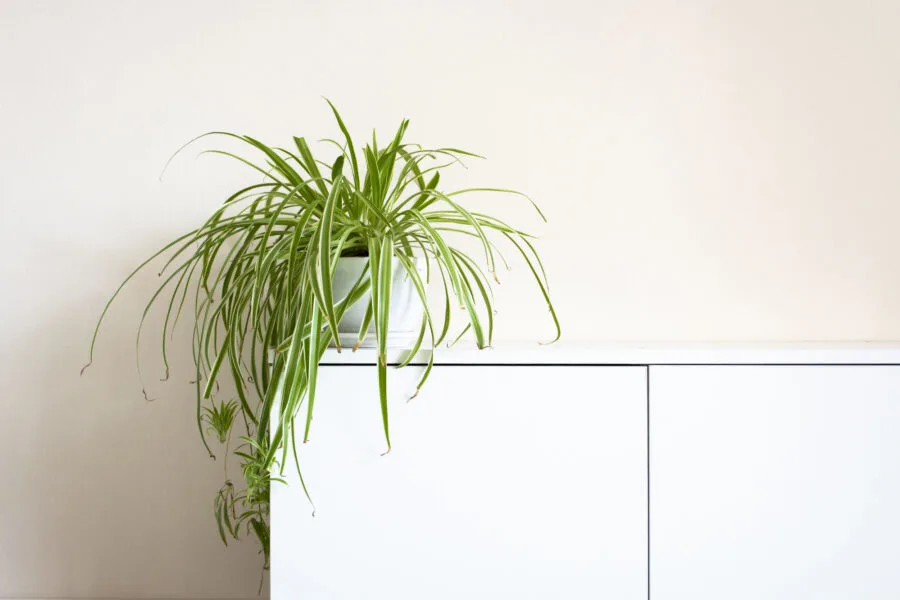
Spider Plant (Chlorophytum comosum)
This resilient and easy-to-care-for plant is highly effective at removing toxins such as formaldehyde and xylene from the air. It also produces small “spiderettes” that can be propagated into new plants.

Peace Lily (Spathiphyllum spp.)
With its elegant white flowers and glossy green leaves, the Peace Lily is not only a beautiful addition to any space but also an excellent air purifier. It helps to remove pollutants like ammonia, benzene, and formaldehyde from indoor air.
Devil’s Ivy (Epipremnum aureum)
Also known as Pothos or Golden Pothos, this trailing vine is prized for its ability to thrive in low-light conditions and its air-purifying qualities. It helps to remove toxins such as formaldehyde, benzene, and xylene from indoor air.
Boston Fern (Nephrolepis exaltata)
This lush and feathery fern is known for its air-purifying properties, particularly its ability to remove formaldehyde, xylene, and toluene from indoor air. It also helps to increase humidity levels, making it ideal for dry indoor environments.
If you are worried about poor indoor air quality in your home or office space then indoor plants are an excellent choice to combat any harmful chemicals and other pollutants. Ideal houseplants will also need little maintenance, surviving in low light and needing less water than some varieties.
By harnessing the natural air filtration capabilities of plants, you can create a cleaner, fresher living environment for everyone to enjoy.