
Inside: A Beginner’s Guide to Gardening: Getting Started on Your Green Journey.
Embarking on the journey of gardening for the first time can be both exciting and a bit daunting. With so many plants to choose from, tools to consider, and techniques to learn, it’s easy to feel overwhelmed.
But don’t worry! Gardening is a rewarding hobby that anyone can enjoy, regardless of their experience level. This post will walk you through the basics, helping you get started on your gardening adventure with confidence and enthusiasm.

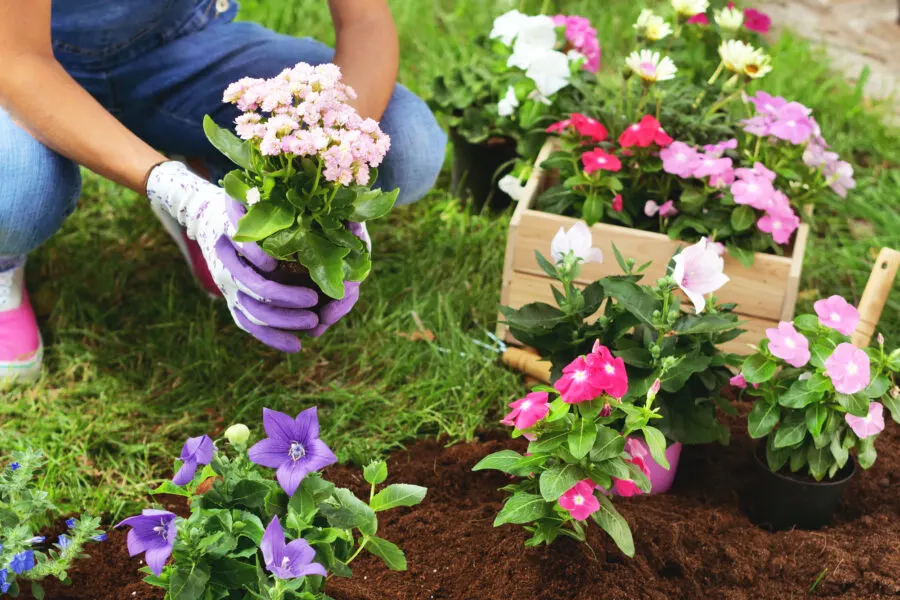
Why Start Gardening?
Gardening offers numerous benefits beyond the joy of seeing your plants thrive. It provides a sense of accomplishment, reduces stress, and improves your physical health through moderate exercise. Additionally, gardening can improve your diet if you choose to grow vegetables and herbs, and it offers a wonderful way to connect with nature.
Planning Your Garden
Determine Your Goals
Before you begin, think about what you want from your garden. Do you want a beautiful flower garden, a lush vegetable patch, or perhaps a mix of both? Your goals will influence the types of plants you choose and how you design your garden space.
Assess Your Space
Consider the size and type of space you have available. Whether you have a spacious backyard, a small balcony, or even just a windowsill, there are gardening options for every space. Assess the amount of sunlight your space receives, as this will affect which plants will thrive.
While you’re planning your layout, think about how you’ll define your garden boundaries and create a sense of privacy. Quality fencing can make a big difference, offering both security and structure to your outdoor space. G&G Fencing offers a wide range of materials and styles to suit any type of garden, whether you’re after something modern, traditional, or decorative.
Climate and Soil
Understanding your local climate and soil type is crucial for choosing the right plants. Some plants thrive in hot, sunny climates, while others prefer cooler, shadier spots. Similarly, different plants require different soil conditions. A quick online search or consultation with a local gardening center can provide you with this information.
Key Tools for Beginners
Having the right tools makes gardening more enjoyable and efficient. Here’s a list of essential tools to get you started:
- Hand Trowel
A hand trowel is perfect for digging small holes, planting seeds, and transplanting seedlings. Look for one with a comfortable grip and a sturdy blade.
- Garden Gloves
Good-quality gloves protect your hands from thorns, splinters, and soil. Choose gloves that fit well and are made of durable, breathable material.
- Pruning Shears
Pruning shears, or secateurs, are essential for trimming plants and cutting back dead growth. Opt for a pair that is sharp and comfortable to use.
- Watering Can or Hose
Keeping your plants hydrated is crucial. A watering can is ideal for small gardens and potted plants, while a hose with a spray nozzle is better for larger areas.
- Garden Fork
A garden fork is useful for turning soil, removing weeds, and mixing in compost. It’s especially helpful in heavier soils where a trowel might struggle.
- Rake
A rake helps in clearing leaves, debris, and leveling soil. A metal rake is durable and effective for most gardening tasks.
- Spade
A spade is essential for digging larger holes, edging, and moving soil. Look for one with a strong, sharp blade and a comfortable handle.
Choosing Your Plants
Start with Easy-to-Grow Plants
As a beginner, it’s best to start with plants that are easy to grow and maintain. Consider these beginner-friendly options:
- Herbs: Basil, mint, parsley, and chives are great for beginners and can be grown in small pots.
- Vegetables: Tomatoes, lettuce, radishes, and carrots are relatively easy to grow and can yield a rewarding harvest.
- Flowers: Marigolds, zinnias, sunflowers, and pansies are colorful, hardy, and easy to care for.
Understand Plant Needs
Each plant has specific needs in terms of sunlight, water, and soil. Make sure to read the plant labels or research the specific requirements of your chosen plants. This will help you provide the best care and increase your chances of success.
When to Start Gardening
The timing of your gardening activities depends on your local climate and the types of plants you wish to grow. Here are some general guidelines:
Spring
Spring is the ideal time to start most gardening projects. As the weather warms up, the soil becomes workable, and many plants can be sown directly into the ground.
Summer
Summer is perfect for planting heat-loving vegetables and flowers. However, be mindful of the increased watering needs during hot weather.
Autumn / Fall
Fall is a good time to plant perennials, bulbs, and some cool-weather vegetables like spinach and kale. The cooler temperatures and increased rainfall can help establish new plants.
Winter
Winter is usually a time of dormancy for many plants, but it’s also an excellent time to plan your garden for the upcoming year, order seeds, and prepare your gardening tools.
Helpful Resources and Books
Educating yourself about gardening is a great way to build confidence and ensure success. Here are some highly recommended books for beginners:
- “The Gardeners’ World Almanac: A month-by-month guide to your gardening year”
- “All New Square Foot Gardening” by Mel Bartholomew
- “Rodale’s Basic Organic Gardening” by Deborah L. Martin
- “The Well-Tended Perennial Garden” by Tracy DiSabato-Aust
If you’re interested in growing flowers, this book provides essential information on planting, pruning, and maintaining a beautiful perennial garden.
Tips for Successful Gardening
- Start Small
It’s easy to get carried away with ambitious gardening plans, but starting small will help you manage your garden more effectively and avoid feeling overwhelmed.
You can even make small improvements that have a big visual impact, like updating your fence panels. New panels can instantly refresh the look of your garden while offering privacy and protection for your plants.
- Be Patient
Gardening requires patience. Plants need time to grow, and not every seed will sprout. Learn from your experiences and enjoy the process.
- Keep Learning
Gardening is a continuous learning experience. Attend workshops, join local gardening groups, and ask for advice from experienced gardeners.
- Observe and Adapt
Pay attention to how your plants respond to their environment. Adjust your care routine based on their needs, such as altering watering schedules or moving plants to different locations based on sunlight requirements.
- Enjoy the Journey
Remember, gardening is as much about the process as it is about the results. Enjoy the time spent outdoors, the connection with nature, and the satisfaction of nurturing life.
Starting a garden is a rewarding endeavor that offers numerous physical, mental, and emotional benefits. By understanding your space, choosing the right tools, selecting beginner-friendly plants, and continually educating yourself, you’ll be well on your way to becoming a successful gardener.
Embrace the journey, learn from your experiences, and most importantly, have fun. Whether you’re growing herbs on a windowsill or cultivating a lush backyard garden, the joy of gardening is something that anyone can experience. Happy gardening!