
Inside: How Play-Based Learning Supports Social Growth in River Oaks Kids. Collaborative post.
Play is not a break from learning. For young children, it is one of the most powerful ways to practice cooperation, communication, and self-control in real time. When educators intentionally guide play, children build social confidence through everyday moments such as taking turns, joining a group, managing disappointment, and repairing friendships after conflict.
Families searching for a preschool in River Oaks often hear the term play-based learning and wonder what it truly delivers. The clearest way to evaluate it is to look at the social skills children develop across a typical day, from free choice centers to outdoor games to snack time conversations. Play-based learning works because it gives children meaningful, repeated practice in real social situations.
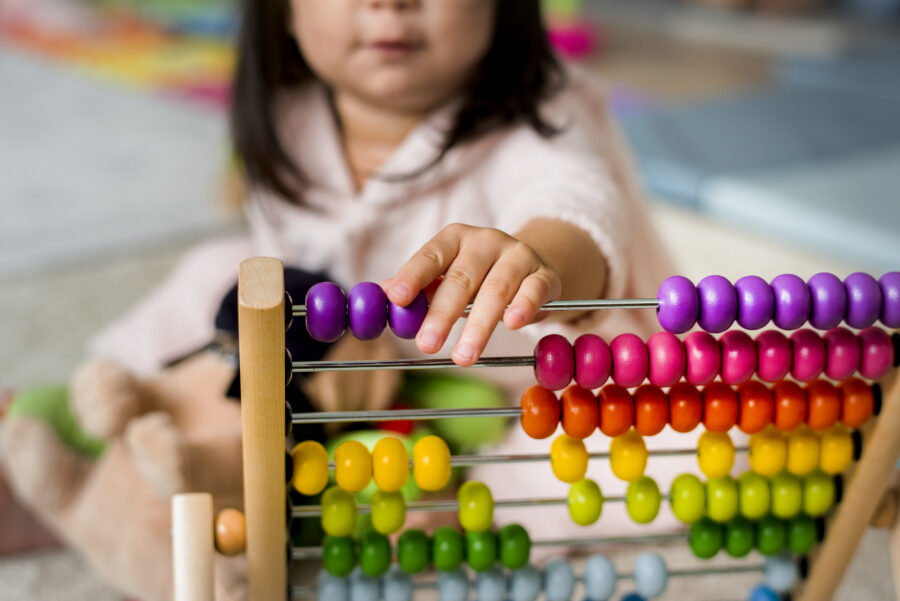
Image by rawpixel.com on Freepik
The Social Skills Children Practice Every Day
Social growth does not happen through lectures. It develops through repetition, feedback, and opportunities to try again. In a strong play-based classroom, children naturally practice initiating interaction by asking to join, offering materials, or inviting a peer to build together. They learn to read tone of voice, facial expressions, and body language. They practice turn-taking and sharing, not because an adult demands it, but because the play requires it.
Negotiation becomes part of daily life when children disagree about roles or rules. Empathy grows when someone feels left out or frustrated. Self-regulation strengthens when children wait for a turn or transition from one activity to another. In a well-run environment, these moments become lessons in growth rather than sources of chaos.
Why Play Creates Real Motivation
Children learn social skills faster when they have a reason to use them. Play provides that reason. A pretend restaurant, a block city, or a treasure hunt creates shared goals that make cooperation meaningful. When communication breaks down, the game stalls. When teamwork succeeds, children feel proud. This natural feedback loop encourages flexibility and persistence.
A child who resists structured group lessons may eagerly practice conversational turn-taking while pretending to be a cashier or doctor. Because the interaction serves a purpose, children are more motivated to adapt and stay engaged.
Dramatic play acts as a social laboratory. Children step into roles, test ideas, and explore how language shapes relationships. With thoughtful materials and themes that reflect children’s interests, pretend play becomes increasingly cooperative and complex.
Children negotiate roles, build stories together, and listen to one another’s ideas. When a game falls apart, they learn how to restart it. Emotional vocabulary expands as children act out feelings and practice comforting strategies. Strong classrooms support this process by helping children extend their ideas rather than shutting them down too quickly.
Outdoor Play and Group Dynamics
Outdoor time offers more than physical exercise. It often provides the easiest path into friendships. Movement-based play reduces pressure because children connect through action as much as words.
Cooperative games, group obstacle courses, and shared building projects encourage teamwork. Ball play teaches turn-taking and fair rules. Team challenges reward collective effort. When a child loses a game or struggles physically, teachers can coach resilience and problem-solving in the moment. These experiences build frustration tolerance in ways that feel natural and supportive.
Conflict is a normal part of early childhood. The difference between stress and growth lies in the adult response. Skilled educators stay close and calm, name the problem clearly, and guide children toward practical solutions. They model phrases such as “I was using that” or “Can I have a turn next?” They help children find compromises, set timers, or create alternative play options.
Most importantly, they encourage repair. Children learn to check on a friend, offer help, or apologize sincerely. Over time, these repeated experiences build long-term social competence rather than short-term compliance.
Supporting Shy or Slow to Warm Children
Not every child jumps into group play. Some need observation time and a trusted adult nearby. In a supportive play-based setting, teachers gently invite quieter children into small group activities, offer side-by-side play opportunities, and use shared interests to spark conversation.
Bridge activities such as art, sensory toys, or puzzles can help children connect without intense social pressure. During a classroom visit, notice whether quieter children are thoughtfully included and encouraged at their own pace.
A quality play-based classroom feels purposeful. Learning centers are clearly defined, materials are accessible, and children remain engaged for meaningful stretches of time. Teachers sit at the children’s level, ask thoughtful questions, and guide peer interactions. There is a balance between free choice and small group experiences, along with predictable routines that support smooth transitions.
Parents can also ask how social progress is documented. Observation notes, portfolios, and conferences often provide concrete examples of communication growth and developing friendships.
Families can strengthen social growth in simple ways. Short playdates with one familiar child allow practice without overwhelm. Parents can rehearse phrases like “Can I play too?” or role-play waiting for a turn. Reading books about feelings and praising effort in problem-solving reinforces what children experience at school.
When play is respected as serious early learning, children gain essential tools for kindergarten and beyond. They build confidence, empathy, flexibility, and the ability to form real friendships. In River Oaks classrooms where play is guided with intention, social growth becomes a natural and lasting part of each child’s development.