
Inside: The Ultimate Guide to Baby Pajamas – From Cozy Footies to Stylish Two-Piece Sets. Collaborative post.
There’s nothing sweeter than a freshly bathed baby snuggled up in soft, cozy pajamas. But choosing the right sleepwear for your little one isn’t just about cuteness—it affects their comfort, safety, and even sleep quality. Do you go with footed onesies or two-piece sets? Zippers or snaps? Cotton or fleece? With so many options, it can be overwhelming.
This guide will help you navigate the world of baby pajamas so you can choose the best sleepwear for your little one.

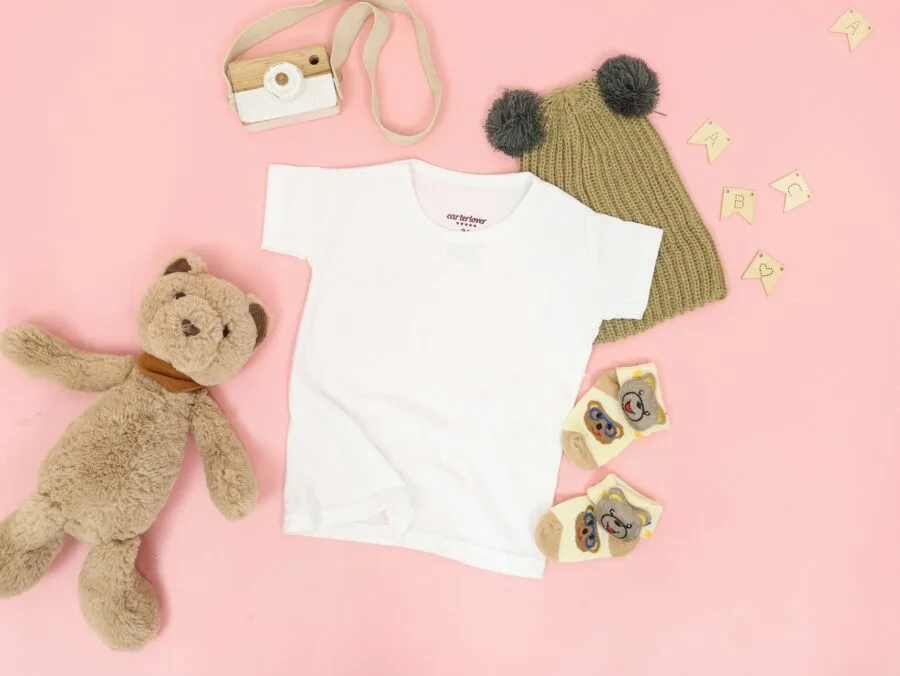
Photo by Mediamodifier on Unsplash
Why the Right Pajamas Matter
Baby pajamas aren’t just another outfit; they play a key role in keeping your baby comfortable and safe. Babies can’t regulate their body temperature as well as adults, so the right pajamas help keep them warm without overheating. A breathable, soft and stretchy fabric also ensures they sleep soundly without irritation.
Safety is another big factor. Baby sleepwear must either be snug-fitting or made with flame-resistant fabric to reduce fire risks. Loose, oversized sleepwear can be a suffocation hazard, so proper fit is essential. Finally, convenience matters—middle-of-the-night diaper changes are much easier with practical designs like zippers or gowns.
Types of Baby Pajamas
Footed Pajamas (Sleepers)
Footed pajamas, also called sleepers, are a popular choice, especially for newborns. These one-piece designs include built-in feet, keeping babies warm without needing socks (which always seem to disappear!).
They come with either zippers or snaps, with zippers being the more parent-friendly option for quick diaper changes. Footed pajamas are great for colder months or for babies who tend to kick off blankets at night.
Two-Piece Pajamas
As babies grow and start moving more, two-piece pajama sets become a practical choice. These typically consist of a top and matching bottoms, usually made from soft, snug-fitting cotton.
Two-piece sets allow for easier outfit changes, especially when transitioning to potty training. However, the downside is that the top can sometimes ride up during sleep, leaving the belly exposed.
Sleepsacks & Wearable Blankets
Sleepsacks are a fantastic alternative to loose blankets, which aren’t safe for infants. These wearable blankets keep babies warm while allowing them to move their arms freely.
They come in various thicknesses, so it’s important to choose the right one for the season. If you see the term TOG rating, that refers to the warmth level—lower TOG ratings are best for warmer climates, while higher TOG ratings provide more insulation for colder weather.
Kimono-Style Pajamas & Gowns
Kimono-style pajamas wrap around the baby’s body and secure with ties or snaps, making them easy to put on and take off—especially helpful for newborns with sensitive skin or healing umbilical cords.Similarly, sleep gowns have an elastic bottom, making them perfect for late-night diaper changes since you don’t have to fumble with snaps or zippers.
However, they aren’t ideal for older, more mobile babies who might wiggle out of them. Ensuring safe sleep for your baby requires you to balance comfort and safety, including in their choice of clothes.

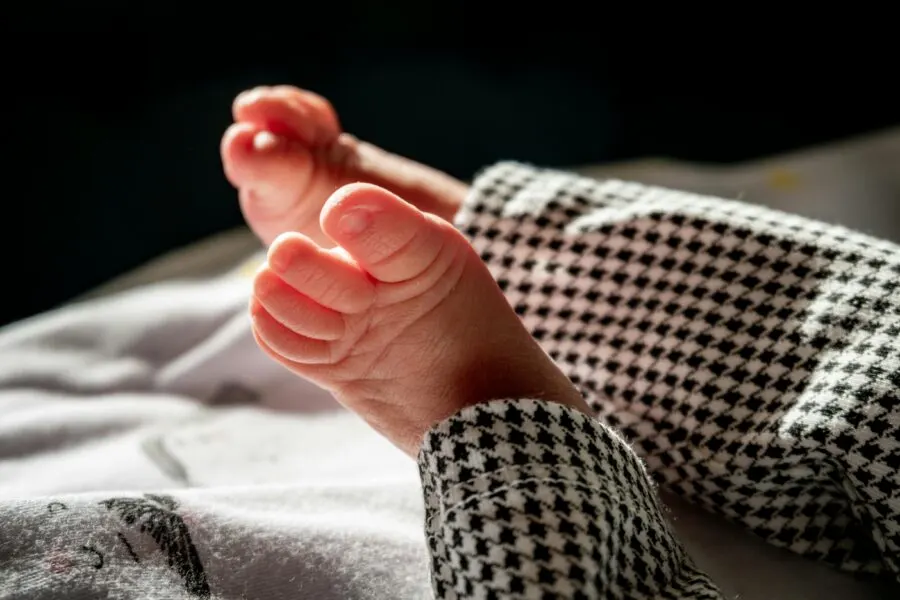
Photo by Julia Khalimova
Best Fabrics for Baby Pajamas
Fabric choice is just as important as the pajama style. Babies have delicate skin, so choosing soft, breathable materials helps prevent irritation and keeps them comfortable all night.
- Cotton – The most common and breathable fabric, perfect for year-round wear.
- Organic Cotton – A chemical-free option, great for babies with sensitive skin or eczema.
- Fleece – Ideal for winter months, but not the best for warm climates since it traps heat.
- Bamboo – Ultra-soft and temperature-regulating, making it great for both hot and cold weather.
How Many Pajamas Does a Baby Need?
Between diaper leaks, spit-ups, and general messiness, babies go through a lot of clothes. As your baby’s wardrobe grows, you’ll also want to start taking into account soft baby shoes to go with their fits. A good rule of thumb is to have:
- 5-7 footed sleepers for everyday use.
- 3-5 two-piece sets for older babies or warm-weather months.
- 2-3 sleepsacks if you’re using them instead of blankets.
This ensures you have enough on hand while still keeping laundry manageable.
Tips for Choosing the Best Baby Pajamas
- Opt for zippers over snaps – Especially for nighttime changes, zippers save time and frustration.
- Check for snug fits – Loose sleepwear can be a safety hazard, so ensure pajamas fit well but aren’t too tight.
- Consider the climate – Choose breathable cotton for warmer weather and fleece or thicker materials for winter.
- Look for easy-care fabrics – Babies are messy, so machine-washable pajamas make life easier.
- Prioritize safety – Sleepwear should be either flame-resistant or snug-fitting to comply with safety standards. The U.S. Consumer Product Safety Commission mandates that children’s sleepwear above size 9 months up to size 14 must be flame-resistant and self-extinguish if exposed to a flame.
Final Thoughts
Choosing the right baby pajamas is about more than just style—it’s about comfort, convenience, and safety. Whether you prefer cozy footed sleepers, easy-access gowns, or breathable two-piece sets, the key is finding what works best for your baby’s needs.
With so many adorable options, bedtime can be just as fun as dressing your baby for the day! What’s your favorite style of baby pajamas? Let me know in the comments!