
Inside: 10 Practical Design Tips For Your Living Room Renovation. Collaborative post.
Renovating your living room is an exciting opportunity to transform one of the most important spaces in your home. Whether you’re aiming for a modern aesthetic, a cosy retreat, or a blend of both, the design process requires careful thought and planning.
A well-designed living room not only enhances your home’s aesthetic appeal but also improves functionality, creating a space that suits your lifestyle. In this guide, we’ll explore practical design tips to help you achieve a successful living room renovation.

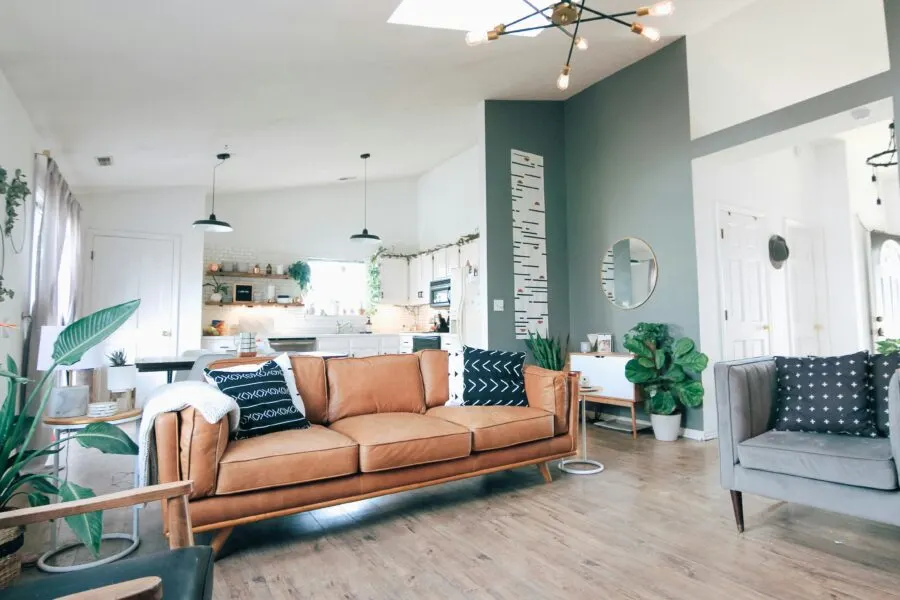
Photo by Kara Eads on Unsplash
Understanding Your Space
The first step in any renovation project is to thoroughly understand the space you’re working with. Take stock of the room’s dimensions, natural light sources, and architectural features. Consider how you currently use the space and how you’d like to use it after the renovation. This understanding will form the basis of your design decisions, from the layout to the choice of materials and colours.
For smaller living rooms, it’s crucial to maximise every inch without making the space feel cramped. In larger rooms, the challenge is often to create a sense of intimacy and cohesion. No matter the size of your living room, a well-thought-out layout is key. This involves planning where to place major furniture pieces, such as the sofa, armchairs, and media units, to ensure optimal flow and functionality.
Choosing a Focal Point
Every well-designed living room has a focal point that draws the eye and anchors the space. This could be an architectural feature such as a large window or a fireplace, or it could be an eye-catching piece of furniture or artwork. Selecting the right focal point helps to create a sense of balance and structure in the room.
For many, a fireplace is a natural choice for a focal point. If your living room lacks a traditional hearth, consider adding an Inset electric fireplace. This modern option not only provides warmth but also serves as a sleek, stylish centrepiece that enhances the overall design.
Colour Palette and Materials
The choice of colours and materials plays a pivotal role in setting the mood of your living room. Neutral tones such as whites, greys, and beiges are timeless and versatile, providing a calm backdrop that can be easily updated with accessories. For a bolder statement, consider deeper hues like navy, emerald green, or rich burgundy. These colours add drama and sophistication, especially when paired with metallic accents or natural wood finishes.
Materials are equally important in creating texture and depth. Incorporate a mix of soft fabrics, like velvet or linen for sofas and cushions, with harder materials such as wood, metal, or glass for tables and shelving. This contrast adds visual interest and prevents the space from feeling flat.
Furniture Selection and Arrangement
When choosing furniture, prioritise both comfort and style. The sofa is often the largest and most frequently used piece, so it’s worth investing in one that is both durable and aesthetically pleasing. Depending on your room’s size and layout, you might opt for a sectional, a traditional three-seater, or a combination of sofas and armchairs.
Arrangement is another critical aspect of furniture planning. Aim for a setup that encourages conversation and allows for easy movement around the room. Avoid pushing all the furniture against the walls unless the space is particularly small. Instead, try floating some pieces, like placing the sofa in the centre of the room, to create distinct zones.
Lighting Design
Lighting is a fundamental element of interior design, yet it’s often overlooked. A well-lit living room requires a mix of lighting types to suit different activities and moods. Ambient lighting provides general illumination, typically through ceiling fixtures or recessed lights.
Task lighting, such as floor or table lamps, is essential for reading or working. Accent lighting, like wall sconces or LED strips, highlights architectural features or decorative elements.
Consider the colour temperature of your lights as well. Warmer tones (2700K to 3000K) create a cosy and inviting atmosphere, while cooler tones (4000K and above) are more energising and better suited for task-oriented areas.
Incorporating Storage Solutions
Clutter can quickly diminish the beauty and functionality of your living room. Incorporating smart storage solutions ensures that everything has its place, maintaining a tidy and organised space. Built-in shelving is an excellent option for displaying books, art, and decorative objects, while hidden storage solutions, like ottomans or coffee tables with compartments, keep less attractive items out of sight.
If you have children, consider multifunctional furniture that offers both seating and storage. Similarly, open shelves paired with closed cabinets provide a balance between display and concealment, allowing you to showcase your favourite items without overcrowding the room.
Personal Touches and Accessories
To truly make your living room feel like home, incorporate personal touches and accessories that reflect your personality and interests. Family photos, travel souvenirs, or your favourite artworks can infuse the space with character and warmth. Rugs, cushions, and throws add layers of comfort and style, allowing you to experiment with different patterns, textures, and colours.
Don’t overlook the importance of greenery in your living room design. Plants and flowers not only bring life and freshness to the space but also help to purify the air and enhance wellbeing. Whether you prefer large statement plants or smaller succulents and ferns, incorporating greenery is a simple yet effective way to elevate your design.
Enhancing Connectivity and Technology
In today’s digital age, integrating technology seamlessly into your living room design is essential. Consider how you’ll manage cables and electronic devices to maintain a clean and clutter-free appearance. Built-in media units with cable management systems can keep wires hidden while providing a sleek home for your television and other electronics.
Smart home technology, such as voice-controlled lighting and heating, adds convenience and a touch of modernity to your living room. If you’re investing in a home entertainment system, think about speaker placement to ensure optimal sound quality, and consider adding acoustic panels if necessary to improve the overall listening experience.
Embracing Flexibility with Modular Design
In a world where needs and lifestyles continually evolve, incorporating flexibility into your living room design is a wise choice. Modular furniture offers a practical solution, allowing you to reconfigure your space as required. Sectional sofas, for instance, can be rearranged to accommodate different seating arrangements, whether you’re hosting a large gathering or seeking a cosy corner for relaxation.
Similarly, modular shelving units and multi-functional furniture, such as a coffee table that doubles as a desk, provide adaptability without compromising on style. This flexibility ensures your living room remains a functional and welcoming space, even as your needs change over time.
Final Touches: The Art of Layering
Once the major design elements are in place, it’s time to focus on the finishing touches that bring your living room together. Layering is an art that involves combining various textures, patterns, and materials to create a cohesive and inviting space.
Start with your larger elements, such as rugs and furniture, and gradually build up with smaller details like cushions, throws, and decorative objects.
Pay attention to balance and proportion, ensuring that no single element overwhelms the room. Step back periodically during this stage to assess the overall composition, making adjustments as needed to achieve harmony and flow.
Renovating your living room is a rewarding process that can transform your home and improve your quality of life. By carefully considering the layout, focal points, colour schemes, lighting, and furniture, you can create a space that is both beautiful and functional.
Don’t forget to incorporate personal touches and modern conveniences to make the room truly yours. With thoughtful planning and attention to detail, your living room renovation will result in a space that you’ll love and enjoy for years to come.