
Inside: Restorative Sanctuaries: The Master Bedroom Trends Defining 2026. Collaborative post.
We spend more than 30 years of our lives in bed. When you look at the numbers, it becomes clear why master bedroom trends in 2026 have shifted far beyond superficial aesthetics. Your bedroom should be a personal sanctuary—a carefully calibrated environment where authentic physical and mental restoration takes place.
This year, interior designers are putting sleep health front and centre. The prevailing theme of 2026 is “the cocoon”—creating deeply nurturing, tactile spaces that encourage the nervous system to fully power down.
If you are looking to refresh your space, the data points to a clear trend: 56% of homeowners now actively prefer warm, grounding neutrals over stark whites. From rich, storied colour palettes to clever space-saving innovations, here is how leading designers are shaping the modern master bedroom.
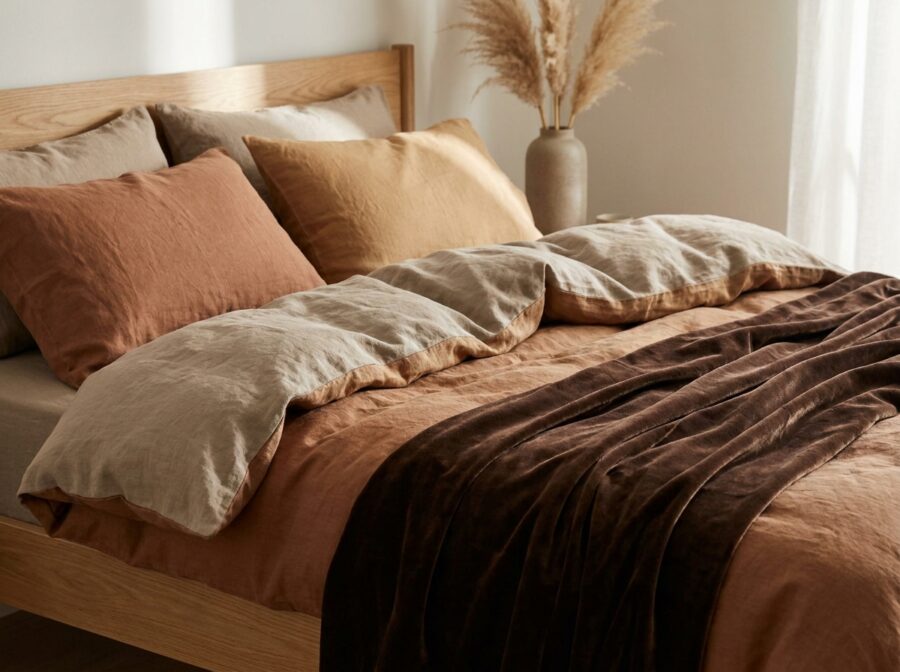
1. Designing for Emotional Wellbeing
The core philosophy of 2026 design is that a bedroom must support your mental health. Designers are moving away from minimalist, gallery-like spaces in favour of rooms that feel protective and warm.
Creating the “Cocoon” Effect
“A cocoon-like feel in the bedroom will only grow in popularity. Think dark, textured walls, layered fabrics, and a sense of quiet enclosure. Bringing in warm materials like herringbone wool wallpaper and quilted bedding creates spaces that feel cosy and grounded, rather than stark or airy.”
— Alison Hammatt, Founder of Alison Hammatt Home
Lighting has also undergone a dramatic evolution. Rather than relying on single, harsh overhead fixtures, modern lighting design focuses on transitions.
“The goal isn’t just to brighten the room, but to shape how it feels. Layers of greige and sandy tones are replacing flat whites and cool greys, adding depth and a lived-in warmth that feels far more inviting.”
— Sonia Chauhan, Founder of Studio Sonia Interiors
2. Quality Over Quantity: Investing in the Foundations
The “fast furniture” era is officially over. In 2026, bedroom design focuses on curating fewer, high-quality pieces that deliver both functional excellence and structural longevity.
The Bed and Mattress as a Health Investment
Your mattress is the single most important factor dictating your sleep architecture. Sleeping on an unsupportive or degraded surface leads to poor spinal alignment, micro-awakenings, and chronic morning stiffness.
When upgrading your sleep system, investing in an ergonomically advanced mattress from Bedstar ensures your body gets the correct pressure relief and temperature regulation throughout the night.
To maintain a hygienic, allergen-free sleep environment, use these expert maintenance guidelines:
| Sleep Component | Recommended Lifespan | Primary Reason for Replacement |
| Mattress | 7 to 10 Years | Sagging support cores, loss of spring tension, accumulated allergens. |
| Pillows | 6 to 12 Months | Loss of neck support, accumulation of dust mites and skin oils. |
| Duvet | 5 Years | Clumping of filling, reduced thermal efficiency. |
3. Colour Palettes and Material Choices for 2026
The design world has officially bid farewell to cool, blue-toned greys. In their place is a rich, organic palette that feels deeply connected to the natural world.
Soft Tonal Palettes and Storied Colours
“We’ve experienced a real shift away from the blue-toned greys that have been so popular, with warmer, earthier hues taking their place.”
— Ruth Mottershead, Creative Director at Little Greene Paint & Paper
According to designer Mark Schubert, luxury in 2026 is being redefined by “storied, richly pigmented colours such as inky blues, oxbloods, majestic purples, and smoky greens.”
Furthermore, Washington D.C.-based designer Diana Lombard notes that rich burgundy brings “an old-world timelessness that still reads as fresh.” These deep tones are beautifully balanced by warm camel, chocolate, and clay accents.
The Fabrics Defining the Season
Texture is doing the heavy lifting in modern bedroom design. To create a room that feels layered and sophisticated, designers are mixing contrasting fabric weights:
• Bouclé: This looped-yarn fabric brings incredible physical softness and visual dimension to upholstered headboards and accent seating.
• Velvet: Offers deep, light-absorbing opulence. It is perfect for adding a touch of drama to drapes or winter throw cushions.
• Linen: The ultimate choice for laid-back luxury. Linen is highly breathable, moisture-wicking, and naturally regulates temperature.
Natural Timber & Grounding Accents
Sustainably sourced natural timber remains a defining material of 2026. Slow-grown Scandinavian pine is highly favoured for its dense grain and structural durability. Choosing high-quality wooden beds introduces an organic, grounding element to the room that manufactured laminates simply cannot replicate.
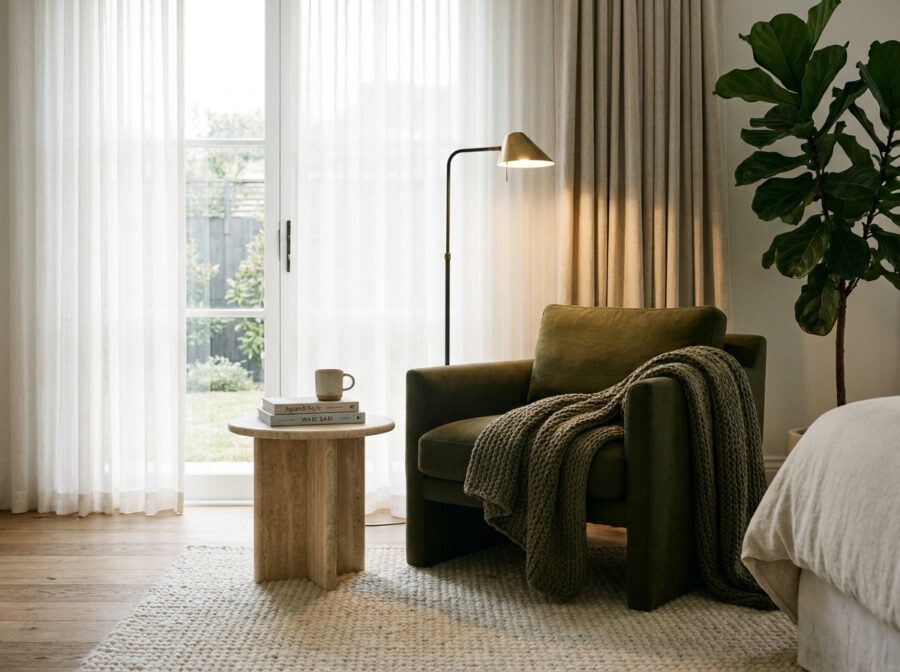
To keep lighter neutral spaces from feeling flat, designers are introducing darker grounding elements—such as deep-toned timber bedside tables, leather headboards in chocolate or charcoal, and full-length, ceiling-to-floor drapery to soften the room’s acoustics.
4. Layout Trends Designers are Using Right Now
Statement and Sculptural Headboards
Because the bed is the natural focal point of the room, sculptural frames are taking centre stage.
“A well-designed headboard adds depth, texture, and a tailored sense of luxury.” — David Harris, Design Director at Andrew Martin
Two headboard styles are dominating the design landscape this year:
1. Wall-to-Wall ‘Shelter’ Headboards: These span the entire width of the bedroom wall, wrapping behind the bedside tables to create a seamless, high-end hotel aesthetic.
2. Wingback Beds: Classic and protective, the gently curved side panels enclose the pillows, creating a private, quiet retreat.
Rechargeable Portable Lighting
The days of cluttered cords trailing behind nightstands are gone. Designers are embracing rechargeable, cordless LED bedside lamps. Featuring USB-C charging and multi-step dimming, these portable lights offer up to 20 hours of warm, ambient illumination.
Design Tip: Select a warm white bulb setting (around 2700K or lower) in the evening. This mimics the sunset, preventing blue-light exposure and encouraging your brain to produce melatonin naturally.
5. Designing a Multi-Functional Master Suite
Modern master bedrooms are no longer just places to sleep; they are multi-functional suites designed to support your entire morning and evening routines.
Integrated, Clutter-Free Storage
Clutter triggers a low-grade threat response in the brain, raising cortisol levels and disrupting sleep. To maintain a clean, peaceful environment, integrated storage is essential.
Choosing stylish ottoman beds allows you to utilise the entire footprint of your bed frame to store seasonal clothing, extra duvets, and pillows completely out of sight. Pair this with floor-to-ceiling fitted wardrobes to keep floor space entirely clear.
Layered Ambience
To transition your master suite from an active morning space to a restful evening retreat, install layered lighting. Combine floor lamps for height, wall sconces for soft vertical pools of light, and low-wattage reading lamps near the bed.
By grouping meaningful, personal items—such as hand-thrown ceramics, fresh foliage, or a single sculptural candle on a bedside table—you can create a space that feels deeply personal, curated, and quiet.
Conclusion
The bedroom trends of 2026 are not about chasing fleeting, flashy aesthetics. Instead, they represent a return to intuitive, comfort-first design. By prioritizing high-quality sleep foundations, incorporating grounding natural materials, and embracing warm, cocooning colours, you can create a master bedroom that actively protects your peace and restores your energy every single night.