
Inside: 7 Hidden Water Problems Busy Families Overlook Until They Become Expensive. Collaborative post.
Life gets busy. Between work, school runs, extracurricular activities, household chores, and family commitments, it’s easy to overlook small issues around the home. Unfortunately, some of the most expensive home repairs begin with problems that seem minor at first, especially when it comes to water.
Many homeowners assume that major water damage only happens after a burst pipe or severe storm. In reality, water-related issues often develop slowly and quietly behind walls, beneath floors, or inside appliances. In many cases, noticeable signs don’t appear until the problem has progressed significantly, often resulting in more extensive damage and higher repair costs.
If water damage has already started to affect your walls or foundations, seeking professional damp proofing kent services can help prevent the problem from becoming much more expensive to repair.
Here are seven hidden water problems busy families frequently overlook and what you can do to prevent them from turning into expensive headaches.

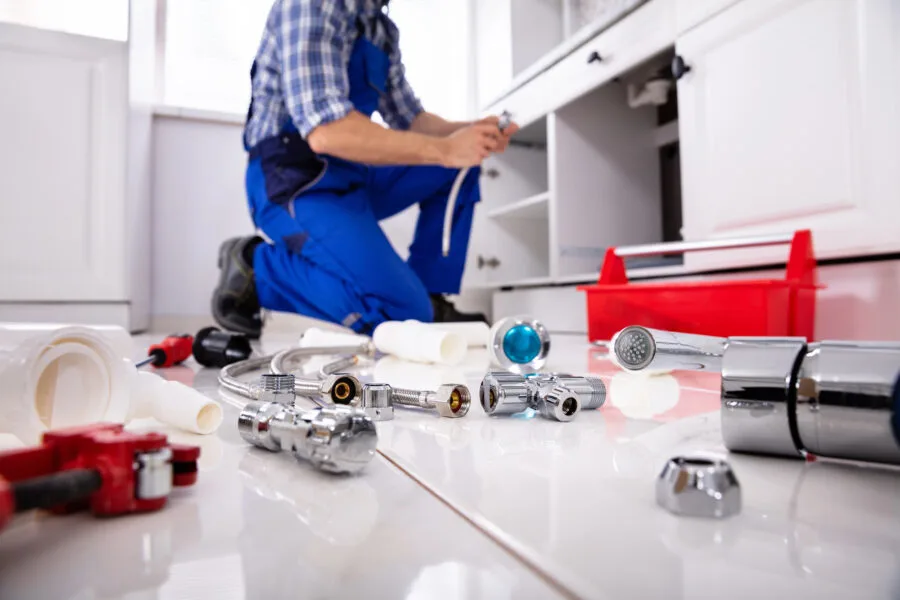
The cabinet beneath a kitchen or bathroom sink is one of the most overlooked areas in a home. Since these spaces are usually filled with cleaning products, toiletries, or storage containers, small leaks can go unnoticed for months.
A loose connection, worn gasket, or tiny crack in a pipe may only release a small amount of water each day. However, over time, this moisture can damage cabinetry, encourage mould growth, and weaken surrounding materials.
Take a few moments every month to inspect the area beneath sinks. Look for damp spots, staining, musty smells, or warped wood. Catching a leak early can save significant repair costs later.
2. Slow Drainage Throughout the Home
Many homeowners ignore drains that empty a little slower than usual. A drain that empties slowly might not seem like a serious issue at first, but it can often indicate that a blockage is beginning to form. Over time, substances such as grease, soap scum, hair, food scraps, and other materials can build up along the inside of pipes. As this buildup increases, it reduces the available space for water to flow freely, which can place additional strain on the plumbing system.
Eventually, this may result in backups, overflowing fixtures, or water escaping where it shouldn’t.
Noticing slow drainage in more than one area of your home can be a sign of a larger blockage or plumbing concern that shouldn’t be ignored.
Modern homes rely heavily on water-connected appliances, including dishwashers, washing machines, refrigerators, and water filtration systems. Unfortunately, many families rarely inspect the hoses and connections behind these appliances.
A deteriorating supply line or a loose fitting can leak slowly for weeks or months before anyone notices. Since these areas are often hidden from view, water can seep into flooring, walls, and subfloors without obvious warning signs.
Make it a habit to pull appliances forward periodically and inspect surrounding areas for moisture, staining, corrosion, or unusual odours. Replacing aging hoses before they fail is a simple way to avoid costly repairs.
4. Toilets That Waste More Water Than You Realize
Toilets can develop silent leaks that continuously waste water without making obvious sounds. In many cases, worn flappers or faulty internal components allow water to flow from the tank into the bowl around the clock.
These leaks often go unnoticed because the toilet continues functioning normally.
The United States Environmental Protection Agency (EPA) reports that even small household leaks can add up to thousands of gallons of wasted water each year. Homeowners can learn more about leak detection and water conservation through the EPA’s WaterSense program:https://www.epa.gov/watersense
A simple food colouring test can help identify a silent toilet leak. Place a few drops of food colouring into the toilet tank and leave it untouched for around 15 minutes. If the coloured water appears in the bowl without flushing, it may indicate that a repair is needed.
Most people don’t immediately associate ventilation problems with water damage, but excess humidity can be just as destructive as a plumbing leak.
Every shower introduces moisture into the air. Without proper ventilation, that moisture settles on walls, ceilings, cabinets, and fixtures. Over time, condensation can contribute to peeling paint, warped materials, mildew, and mould growth.
Families with multiple occupants often place greater demands on bathroom ventilation systems, making regular maintenance especially important.
Ensure exhaust fans are functioning properly and leave them running after showers to help remove excess humidity from the room.
6. Water Around the Foundation
The area surrounding a home’s foundation plays a critical role in managing rainwater. Unfortunately, many homeowners pay little attention to drainage until a problem appears.
Improper grading, clogged gutters, damaged downspouts, or pooling water near the home can gradually increase moisture levels around the foundation. Over time, this may contribute to cracks, basement dampness, and water intrusion.
Busy families often focus on interior maintenance while overlooking exterior water management.
Walk around your property after heavy rainfall and observe how water behaves. To help protect your property, rainwater should be directed away from the foundation instead of pooling around the outside walls of the home.
Regular gutter cleaning and proper downspout placement can help reduce risk significantly.
7. Don’t Dismiss Small Water Stains
A common mistake many homeowners make is overlooking small water stains simply because the affected area appears dry. Marks on ceilings, walls, or floors are often evidence that moisture has been present, even if there are no obvious signs of dampness at the moment. In many cases, the source of the problem may still be active and continue causing damage behind the scenes.
Roof leaks, plumbing leaks, condensation, and appliance failures can all leave behind visible marks.
Rather than covering stains with paint or ignoring them, investigate the source. Addressing the root cause early can prevent future structural damage and eliminate the risk of recurring moisture problems.
Water damage rarely improves on its own. In most cases, small issues become larger and more expensive over time.
A minor leak today may lead to damaged flooring tomorrow. Excess moisture can encourage mould growth, weaken building materials, damage personal belongings, and increase repair costs dramatically.
For busy families, preventative maintenance often feels less urgent than other daily responsibilities. However, spending a few minutes each month checking key areas of the home can prevent significant disruption later.
Many homeowners also choose to consult water damage prevention experts when they notice persistent moisture issues, recurring leaks, or signs of hidden water intrusion. Professional inspections can identify concerns before they develop into major repairs.
Water problems don’t always arrive with dramatic warning signs. More often, they develop quietly in places homeowners rarely check.
From hidden appliance leaks and slow drains to foundation drainage issues and unnoticed toilet leaks, these problems can gradually damage your home while remaining out of sight.
The good news is that most water-related issues become far easier and less expensive to resolve when caught early. By paying attention to small warning signs and performing routine inspections, families can protect their homes, reduce repair costs, and avoid unnecessary stress in the future.
A little prevention today can save thousands of dollars tomorrow.