
Inside: Creating a Calm and Memorable Family Christmas with Little Ones. Collaborative post.
The Christmas season is a magical time, especially when you have little ones at home. The joy in their eyes, the warmth of shared traditions, and the spirit of togetherness can make the holidays truly unforgettable. Every sound of laughter, every shared cookie, and every twinkling light becomes a small piece of family history that your children will cherish for years.
Yet, for many parents, this season can also bring a fair share of stress — from planning meals and choosing gifts to managing family visits and keeping up with traditions. It’s easy to get caught in the whirlwind of expectations and forget the simple joy of being present.

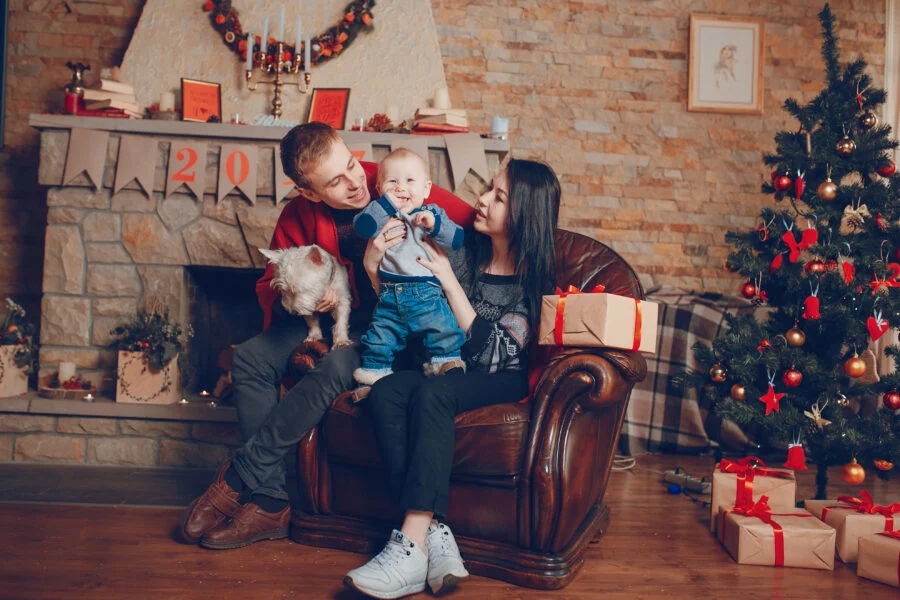
Creating a calm and memorable Christmas doesn’t mean making it picture-perfect; it means embracing imperfection, slowing down, and focusing on what truly matters: connection, laughter, and love. When the emphasis shifts from performance to presence, that’s when the real magic begins.
Start with Simplicity
Children don’t remember elaborate decorations or perfectly wrapped gifts — they remember moments. Simplify your plans by focusing on activities that make your family feel connected. Choose two or three main traditions that you can manage without stress. This might include decorating the tree together, watching a holiday movie, or baking cookies.
Tips for simplifying your holiday:
- Limit your commitments. You don’t have to attend every event or host every dinner.
- Choose low-effort, high-joy traditions like singing carols, reading Christmas stories, or making paper snowflakes.
- Keep gift expectations realistic — especially for toddlers. One meaningful present is better than ten forgotten toys.
Simplicity doesn’t mean less joy — it means more space for what matters. When you strip away the unnecessary, you create room for genuine connection and calm. Children thrive in an environment where their parents are relaxed, not rushed. A slower pace allows everyone to truly enjoy the moment — whether it’s sipping hot chocolate by the fire, playing a board game, or simply talking about the day.
Try to focus on experiences rather than outcomes. A slightly crooked Christmas tree decorated by your toddler’s tiny hands will hold far more meaning than a perfectly styled one from a magazine. Likewise, imperfect cookies baked together will taste sweeter because of the laughter shared in the kitchen.
When you let go of the pressure to create a “flawless” Christmas, you’ll find yourself rediscovering the childlike wonder of the season. It’s not about doing more — it’s about being more present. By choosing simplicity, you’re giving your children the greatest gift of all: a peaceful, joyful Christmas filled with memories that truly last.
Create a Calm Home Atmosphere
The environment you create at home plays a big role in how children experience Christmas. A calm, welcoming space helps everyone feel grounded and joyful. You don’t need to turn your home into a winter wonderland; even small, thoughtful touches can make a big difference. Soft, warm lights are often enough to create a cozy glow — swap harsh overhead bulbs for candles or fairy lights that bring a gentle sparkle into the room.
Play soothing Christmas music in the background to set a peaceful tone and create a festive atmosphere without being overwhelming. Keep decorations child-friendly and straightforward: soft ornaments, handmade crafts, and safe materials allow kids to join in without worry.
Most importantly, try to maintain familiar routines for naps, meals, and bedtime, as consistency helps little ones feel secure and prevents overstimulation. When your home radiates calm, children sense it too, making the holidays not just merry, but truly peaceful for everyone.
Meaningful Family Activities
Family activities are the heart of the season, the moments that bind everyone together and create memories that last long after the decorations are put away. Choose activities that everyone — from toddlers to grandparents — can truly enjoy, and remember that the goal is togetherness, not perfection. Baking together is a wonderful way to spend time as a family — let the little ones pour, mix, and decorate, even if the results aren’t picture-perfect.
Outdoor fun can be just as magical: building a snowman, going for a winter walk, or enjoying a short sledding session brings laughter and fresh air to the day. Crafting small gifts, like handmade cards or ornaments for grandparents, allows children to feel proud of what they’ve created and adds a personal touch to gift-giving.
Story time before bed, featuring classics like The Polar Express or The Night Before Christmas, helps everyone slow down and enjoy a few quiet moments together. And, of course, don’t forget to have a laugh wearing xmas jumpers for a fun family photo session — a simple tradition that captures the warmth and joy of the season in one perfect snapshot.
Teaching the Spirit of Giving
The holidays are the perfect time to teach children about kindness, empathy, and the joy of giving. While it’s easy for little ones to get caught up in the excitement of presents and treats, this season also offers a beautiful opportunity to show them that Christmas is about sharing, caring, and making others feel loved.
The spirit of giving doesn’t have to involve big gestures or expensive gifts — it’s often the smallest acts that leave the biggest impact. Encourage your children to think about how they can bring happiness to someone else, whether it’s through a handmade drawing, a kind word, or a simple good deed. These early lessons help shape compassionate adults who value connection over material things.
You can make giving a family tradition by turning it into an activity that everyone participates in. Encourage your children to choose one of their toys to donate, make cookies for neighbors or grandparents, or create handmade thank-you cards for friends and teachers.
You might even start a nightly “gratitude circle” at dinner, where everyone shares what made them happy that day. This not only teaches empathy but also helps children reflect on the positive moments in their own lives.
| Act of Giving | How Children Can Help | Lesson Learned |
| Donating toys or clothes | Pick out one toy or outfit to give | Empathy and letting go |
| Baking for others | Help mix, decorate, or deliver cookies | Sharing and teamwork |
| Making thank-you cards | Draw pictures or write messages | Gratitude and appreciation |
| Visiting grandparents | Help wrap small gifts or tell stories | Connection and love |
| Volunteering together | Join a local charity event | Community and kindness |
These small gestures may seem simple, but they build traditions of compassion that last a lifetime. When children grow up understanding that joy comes from both giving and receiving, they carry that warmth with them into every future Christmas. It’s a powerful reminder that the true magic of the holidays lies not under the tree, but in the hearts we touch along the way.
Manage Expectations, Both Yours and Theirs
It’s easy to get caught up in the idea of the “perfect Christmas,” but young children don’t need perfection. They need your presence. Don’t compare your holidays to those you see online — social media rarely shows the messy, funny, real moments that make family life special.
Try to balance excitement with rest. Let kids have time to play freely without a schedule. And give yourself grace — no one remembers the burned cookies or crooked lights, but they will remember your laughter.
Cherishing the Magic of Now
Every Christmas is unique because your children are growing, changing, and experiencing it in new ways. Take photos, yes — but also be present. Watch how their faces light up at the first snow or the sound of jingling bells. These are the memories that stay in your heart long after the decorations are packed away.
A Season of Presence, Not Perfection
The calmest and most memorable family Christmases are not the ones filled with perfect gifts, elaborate dinners, or spotless homes, but the ones marked by laughter echoing through the house, quiet moments shared under soft lights, and genuine connection between loved ones.
When you shift your focus from creating an “ideal” celebration to nurturing the spirit of togetherness, everything changes. Children don’t remember how neatly you wrapped the presents — they remember how you made them feel.
Presence, not perfection, is what turns ordinary moments into treasured memories. So slow down. Let your home be a little messy, your schedule a little lighter, and your heart a little fuller. Sing off-key carols, eat too many cookies, and cuddle your little ones for as long as they’ll let you.
This is the magic of Christmas — not the flawless image we see online, but the real, imperfect beauty of family life. Years from now, when your children think back to these holidays, they won’t recall the things you bought — they’ll remember the warmth, laughter, and love that filled their home.
FAQ
What can I do if my kids get overstimulated during the holidays?
Overstimulation is common during busy, noisy festive periods. Try creating a “quiet corner” in your home where your child can relax — maybe with soft lights, pillows, and their favorite books. Keep to familiar routines for meals and bedtime as much as possible.
Limit the number of big events in one day, and give your child breaks between activities to rest or play independently. Calm music, deep breaths, or even a short walk can also help them regulate their emotions.
How can I include toddlers in Christmas preparations?
Toddlers love feeling useful and included. Give them simple, safe tasks like placing ornaments on lower tree branches, stirring cookie dough, or sticking bows on wrapped presents. Let them choose what color paper to use or where to hang decorations. These small contributions make them feel proud and part of the celebration, while also helping them learn cooperation and creativity.
What are budget-friendly gift ideas for young children?
You don’t have to spend much to make Christmas special. Think about gifts that encourage play and imagination, such as storybooks, puzzles, craft kits, or sensory toys. Experiences often mean more than material things — a cozy movie night, a family baking day, or a walk to see Christmas lights can become priceless memories.
You can also make a small family “coupon book” with promises like “One extra bedtime story” or “A pancake breakfast together.”
How can I balance visiting relatives and keeping calm?
It’s perfectly okay to say no to some invitations. Plan family visits strategically — shorter, more intentional gatherings often work better than long, exhausting days. Communicate your family’s needs in advance, especially if your children need naps or downtime.
If traveling, bring familiar snacks, toys, or blankets to help them feel comfortable. And remember, it’s fine to prioritize your own peace — the holidays should be joyful, not draining.
What’s the best way to handle gift overload from relatives?
Kindly talk to family members beforehand and explain that your focus is on meaningful, manageable holidays. Suggest giving experiences, like movie tickets or craft supplies, instead of piles of toys. You can also rotate toys after the holidays — keep a few out and store the rest for later. This keeps things fresh and helps children appreciate what they have without becoming overwhelmed.
How do I make Christmas special if we’re staying home?
A Christmas spent at home can be incredibly cozy and meaningful. Transform your living room into a festive haven with lights, blankets, and a playlist of gentle holiday music. Spend the day baking cookies, playing games, or watching favorite Christmas movies. You can even host a mini “Christmas Eve dinner” with your kids helping to set the table or serve dessert. What matters most isn’t where you are, but how you share the time together.
How early should I start preparing for Christmas with kids?
Start gently in early December or even late November — just enough to build excitement without rushing. Introduce small traditions one at a time, like hanging the first ornament or reading a Christmas story before bed. Gradually preparing helps children anticipate the season while keeping stress levels low. The key is balance — enough structure to feel festive, but plenty of room for spontaneity and joy.