
Inside: A calm home upgrade: simple ways to add character with wall panels. Collaborative post.
Why panels suit busy family homes
There is a particular comfort that textured walls bring to a room. In a home that rarely sits still, warm timber and thoughtful detailing do more than look pretty. Panels soften echoey spaces, protect high-traffic zones and create cosy corners where family life can slow for a moment. Imagine the hallway at 3 pm when shoes tumble in, or the kitchen on pancake day. Surfaces that work hard matter.

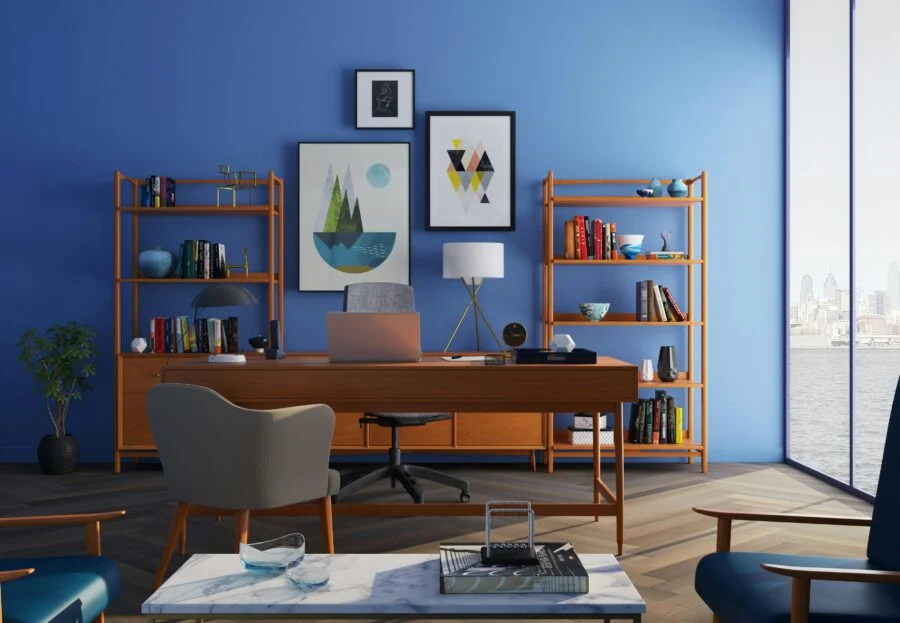
Photo by Kemaleddin Novruzlu
Sound, scuffs and sticky fingers
Vertical slats and ribbed profiles help break up sound so a living room feels calmer during after-school TV and Lego on the rug. In tighter spaces like corridors, cladding acts as a durable shield that shrugs off scooters and school bags. Choose wipe-clean finishes if you have little artists who treat the walls as a gallery. A soft cloth with a drop of gentle soap sorts most smudges.
Style that lasts beyond trends
Natural oak tones warm cooler, north-facing rooms while darker finishes ground bright, busy spaces. Vertical lines draw the eye upward which makes rooms feel taller. Classic shaker-style half walls suit period homes and give you a practical spot for a hallway peg rail. Contemporary slats look at home behind a sofa, a TV or a desk without shouting for attention.
Planning a feature wall without overwhelm
Start with purpose. Do you want a focal point, better acoustics for movie night or a tougher finish where little hands run past? Mark out the area with masking tape to test proportions. In small rooms a single feature wall keeps things airy. In open-plan spaces, wrapping panels around a corner can quietly zone dining from lounging.
Measure twice, then check obstacles. Note skirting heights, radiators, sockets and any wobbly walls. Order samples and look at them morning and evening because daylight shifts the tone more than most people expect. Hold samples next to flooring and soft furnishings so the palette reads as one story.
Set a budget and a realistic timeline. Many projects fit into a weekend if you prep on Friday night and install on Saturday. Adhesive is often quicker than battens for smooth, solid walls. If you are comparing finishes and slat styles, browsing wood panelling collections can help you narrow the look while keeping things calm and cohesive.
Layout ideas that calm a room
Create a reading cocoon by cladding the wall behind a sofa, then add a floor lamp that washes light down the texture. In a long hallway, run panels up to a simple ledge to make a sturdy half wall that welcomes keys, post and a tiny vase of something green. Kids can park bags beneath without marking paintwork.
Bedrooms love a tailored headboard effect. Panel the width of your bed plus 20 cm either side and mount slim bedside lights directly to it. The lines frame the pillows which looks neat even on busy school mornings. In a home office, panel behind the desk to cut glare and echo during video calls.
Playful households often love the movement created by hexagon wall panels which can zone a homework nook without building a boxy partition. Try a honeycomb cluster that fades out softly rather than a hard-edged rectangle. It feels lighter on the eye and invites the space to adapt as family needs change.
Installation pointers for a smoother weekend project
Prep and tools
Let panels acclimatise in the room for 24 to 48 hours so they settle to the temperature and humidity. Gather a level, tape measure, pencil, fine-tooth saw, mitre box, adhesive or nails, spacers and a clean cloth. Mark a dead-straight reference line on the wall. If the original wall is uneven, skim-fill the worst hollows and sand smooth. Stud walls benefit from fixing to battens for a rock-solid finish.
Neat cuts and corners
Cut slowly to avoid splintering. Scribe to skirting boards and ceilings for a tight fit, then run a fine bead of decorator’s caulk to tidy tiny gaps. Plan for sockets by tracing the faceplate onto the panel and cutting just inside the line. Label the back of each piece so the grain flows in one direction. For external corners use finishing trims for a tidy, child-friendly edge.
Aftercare
Most panels only need a light dust and the occasional wipe with a damp cloth. In busy kitchens or bathrooms choose moisture-aware finishes and keep extractor fans in good order.
If you’re refreshing your kitchen alongside your panels, you should also consider how the whole space comes together. A sleek under-cabinet range hood from worldcoppersmith.com can complement your new wall finish while keeping the air clean.
Oiled real-wood veneers appreciate a refresh once or twice a year to keep their glow.
Finishing touches that make it yours
Colour pairing changes everything. Soft greens and putty pinks bring warmth to oak and make bedrooms feel restful. Charcoal paint on the remaining walls makes lighter panels pop in living rooms. If you prefer breezy spaces, keep walls pale and let the texture do the talking. A woven rug and linen cushions add quiet layers without visual noise.
Lighting is the secret ingredient. Wall washers graze over slats and create gentle shadows that feel like evening sun through shutters. Picture lights over a half wall lift family photos and children’s artwork with gallery polish. Keep cables tucked in trunking so curious hands are safe and the look stays crisp.
Lean into mindful choices. Look for responsibly sourced timber and low-VOC finishes. Save offcuts for a narrow shelf, a charging station or playful name plaques for bedroom doors. The small details tell the story of a home that works for the people living in it which is what good design is really about.