
Inside: A Simple Cleaning Cadence the Whole Family Can Follow. Collaborative post.
A chaotic home can feel overwhelming, while a well-organized space brings a sense of calm. You might wonder how to achieve that balance, especially with a busy family. By establishing a simple cleaning cadence that everyone can follow, you can transform daily chores into manageable routines.

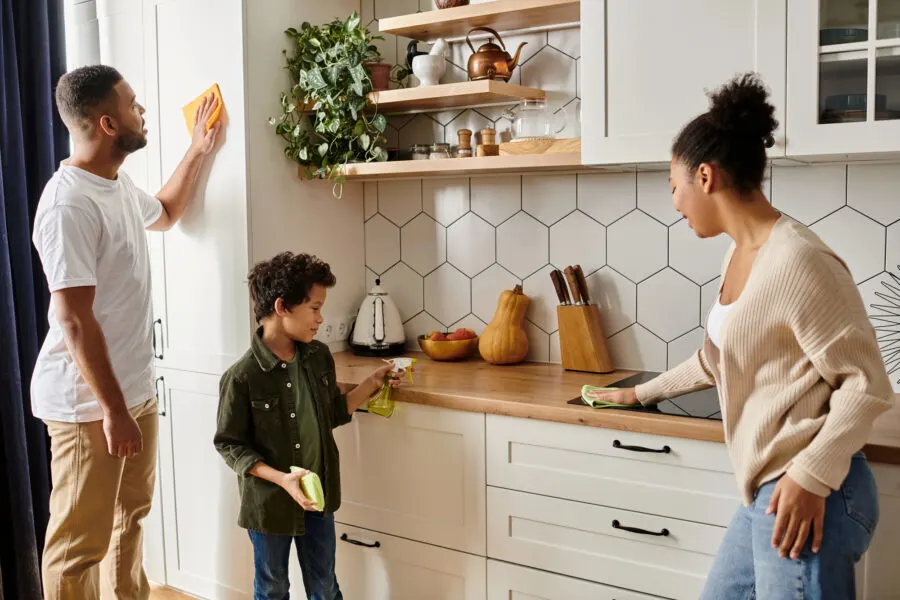
It’s not just about assigning tasks; it’s about fostering teamwork and responsibility among family members. Some households even choose to partner with a family-owned cleaning company to help maintain consistency and lighten the load. What if you could create a system that not only keeps your home tidy but also encourages cooperation and pride in maintaining your space?
Understanding the Cleaning Cadence
When it comes to keeping your home tidy, understanding the cleaning cadence can make all the difference. It’s all about finding a rhythm that works for you and your family. Think of it as a dance—you want everyone to know their steps.
Start by breaking down tasks into daily, weekly, and monthly routines. For instance, you might sweep the kitchen every day to keep crumbs at bay, while setting aside time on Saturdays to tackle deeper cleaning, like mopping floors or dusting shelves.
Creating a visual schedule can help, too. Use a whiteboard or a digital calendar to mark down what needs to be done and when. This way, everyone knows what’s expected and can check off their tasks.
Don’t forget to build in flexibility. Life gets busy, and some days you might just manage to do the basics, like making the beds and wiping down counters.
Celebrate your successes, even the small ones! When you notice a clean living space, it motivates everyone to stick with the plan.
Assigning Age-Appropriate Tasks
Finding the right cleaning cadence is just the beginning; the next step is assigning age-appropriate tasks to each family member. Think about their abilities and interests. For your little ones, simple tasks like picking up toys or wiping surfaces with a damp cloth can be both fun and productive. You can make it a game—who can put away the most toys in five minutes?
As kids get older, you can up the ante. For example, a 7- or 8-year-old might handle dusting furniture or sorting laundry. They love to feel helpful and responsible!
Preteens and teens can take on more complex chores like vacuuming, washing dishes, or even cleaning their own bathrooms. It’s a great way to teach them life skills while lightening your load.
Make sure to communicate clearly about what you expect from each task. You might even consider checking in with them afterward to see how they felt about their chores. This not only keeps everyone accountable but also encourages feedback.
Creating a Cleaning Schedule
Creating a cleaning schedule can feel like a challenging task, but it doesn’t have to be! With a little planning and teamwork, you can create a schedule that keeps your home tidy without overwhelming anyone.
Start by sitting down with your family and discussing what needs to be done.
Here’s how to get started:
- List essential cleaning tasks: Think about daily chores, weekly deep cleaning, and monthly projects.
- Assign responsibilities: Make sure everyone knows what they’re responsible for. This way, no one feels left out.
- Be flexible: Life happens! If someone can’t do their task on a certain day, encourage them to swap with someone else.
Use a calendar or an app to keep track of everything. You might even add fun incentives, like a family movie night if everyone sticks to the schedule for a month.
Remember, this is a team effort, so keep the lines of communication open. Adjust as needed, and don’t stress about perfection—just focus on making progress together!
You’ll find that a little structure can go a long way in keeping your home clean and everyone happy.
Daily Cleaning Routines
A solid daily cleaning routine can make a huge difference in maintaining a tidy home without feeling overwhelmed.
Start your day with small tasks, like making your bed and wiping down bathroom counters. It only takes a few minutes but sets a positive tone for the rest of the day.
In the kitchen, tackle the dishes right after meals. You’ll be surprised how much easier it’s to keep the space clean when you don’t let things pile up.
If you’ve got kids, involve them in this routine. Have them put away their toys or help with sweeping the floor. It not only teaches responsibility but also makes cleaning feel less like a chore.
In the evening, take a few minutes to tidy up. Put away shoes, fluff pillows, and do a quick vacuum of high-traffic areas.
You’ll wake up to a more organized home, and it’ll make a world of difference in how you feel about your space.
Weekly Cleaning Checklists
Having a solid weekly cleaning checklist can transform your home maintenance routine into a more manageable task.
By breaking down cleaning into specific tasks for each day, you’ll avoid feeling overwhelmed and keep your home in tip-top shape. Think of it like a game plan that everyone in the family can follow!
Here’s a simple checklist to get you started:
- Dust surfaces and vacuum: Take 15 minutes to dust off shelves and vacuum high-traffic areas. You’ll be amazed at how much better your space feels!
- Tackle the bathrooms: Dedicate one day to clean sinks, toilets, and mirrors. You’ll appreciate the fresh, sparkling feel after a quick scrub.
- Laundry day: Set aside a day to wash, dry, and fold clothes. It’s a great way to keep everyone’s wardrobe fresh and organized.
Using this checklist not only helps you stay on track, but it also allows everyone in the family to pitch in.
Assign tasks based on age and ability, and you’ll find that cleaning can actually become a bonding experience instead of a chore!
Monthly Deep Cleaning Tasks
While weekly tasks keep your home tidy, monthly deep cleaning is where you really tackle those hidden dirt and grime spots that often get overlooked.
Think about those areas you mightn’t pay much attention to during your regular cleaning sessions. It’s time to immerse yourself in tasks like scrubbing the baseboards, wiping down light fixtures, and washing your windows.
Grab some all-purpose cleaner and a microfiber cloth for those dusty blinds, and don’t forget to check behind your appliances. You’ll be surprised at the crumbs and dirt that accumulate back there!
Another great monthly task is to clean your bathroom thoroughly. This means tackling the grout, scrubbing the shower, and even washing the shower curtain.
Trust me, it’ll feel amazing once it’s done!
Consider rotating some tasks each month, like decluttering a room or organizing a closet. You could even make it fun by playing your favorite music while you work.
Involving Kids in the Process
Involving kids in the cleaning process can transform a mundane chore into a fun family activity. When you include your kids, they’re not just helping; they’re learning valuable life skills while bonding with you.
Here are a few ways to get them excited about cleaning:
- Make it a Game: Turn cleaning into a competition. Set a timer and see who can pick up the most toys before time runs out. Kids love a challenge!
- Assign Age-Appropriate Tasks: Give your little ones tasks they can handle, like dusting low surfaces or sorting laundry. This way, they’ll feel accomplished and proud of their contributions.
- Play Upbeat Music: Create a cleaning playlist with their favorite songs. When the music’s playing, it’s not just cleaning; it’s a dance party!
Setting Up Cleaning Zones
Setting up cleaning zones can make tidying up feel less overwhelming and more organized. Instead of tackling the whole house at once, divide your space into specific areas or zones. For example, designate one zone for the living room, another for the kitchen, and so on. This way, you can focus on one area at a time, making the process feel more manageable.
Once you’ve identified your zones, assign tasks to family members based on their strengths or preferences. Maybe your youngest loves organizing toys in the playroom, while your partner prefers wiping down kitchen surfaces. This not only helps everyone feel involved but also keeps the cleaning process efficient.
You can even make it a game! Set a timer for each zone, and see who can finish their tasks first. Don’t forget to check in with each other to verify everything’s getting done.
Celebrating Cleaning Achievements
Once you’ve tackled your cleaning zones and everyone has contributed to the effort, it’s time to celebrate those achievements!
Recognizing everyone’s hard work not only boosts morale but also keeps that cleaning momentum going. Here are some fun and simple ways to celebrate:
- Host a family movie night: Pop some popcorn and pick a favorite film to enjoy together. It’s a cozy way to unwind after a productive day.
- Plan a special treat: Whether it’s ice cream, homemade cookies, or takeout from a favorite restaurant, rewarding yourselves with a treat makes the hard work worthwhile.
- Create a “cleaning hall of fame”: Take pictures of your sparkling spaces and display them on a family bulletin board. It’s a fun way to visually acknowledge everyone’s contributions.
Conclusion
By embracing this simple cleaning cadence, you’ll transform chores from a dreaded task into a family affair filled with laughter and teamwork. Picture everyone bustling around, music playing, as you tackle those daily tidying tasks, plunge into weekly clean-ups, and conquer monthly deep cleans together.
Celebrate those small victories, like a sparkling kitchen or a dust-free living room, and watch as pride in your home grows. With everyone involved, you’ll create a space that feels warm, welcoming, and truly yours.