
Inside: What’s in Your Dog’s Bowl: Why Grain-Free Is the Way to Go. Collaborative post.
The growing popularity of grain-free food for dogs might have got you wondering if it’s the right choice for your furry friend. With so many pet owners making the switch, it’s clear that this type of diet comes with its benefits. For example, dogs with food sensitivities, allergies, or digestive issues tend to do better on a grain-free diet.
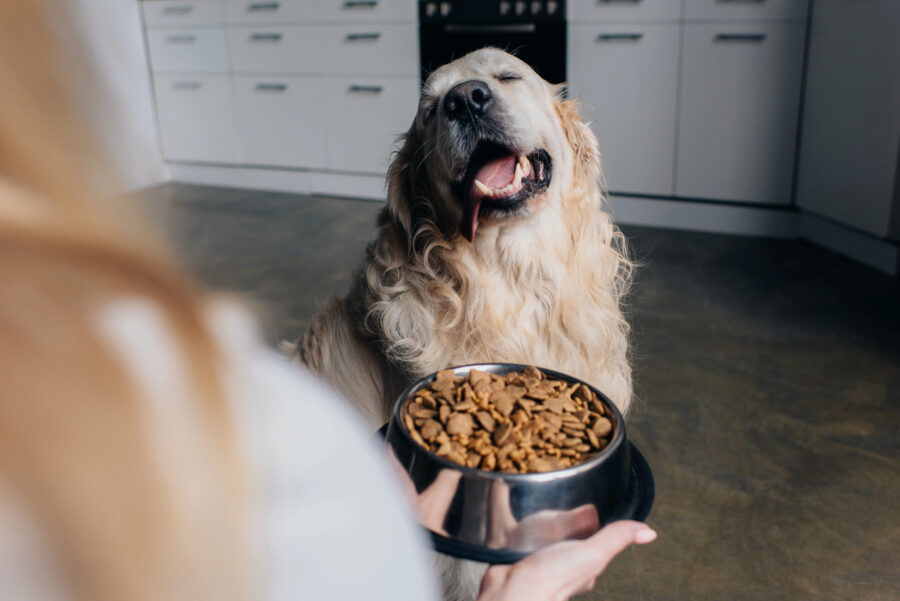
Grains are often used in traditional dog foods as inexpensive fillers to bulk up the product, but they don’t always offer much in terms of nutritional value. In grain-free recipes, these empty fillers are replaced with more nourishing ingredients, such as sweet potatoes, peas, and high-quality animal proteins. This results in a more balanced, digestible meal that may help support your dog’s overall health.
When is a Grain-Free Diet Beneficial for Dogs?
Problems with traditional dog foods are often linked with the cheap grains used to bulk up. However, not all grains are bad. When high-quality grains like oat, barley or corn are used in the right amounts, they can be a valuable part of a balanced diet, providing energy, fibre and important nutrients.
So, before cutting out grains entirely, ask yourself: Is my dog sensitive to grains or could something else be causing the issue? Symptoms like itchy skin or an upset stomach could be linked to low-quality ingredients as well as to artificial additives, or even non-food-related allergies like pollen or dust.
Still, switching to grain-free dog food comes with some significant benefits.
Improved Digestion
One of the key benefits of switching to a grain-free diet is improved digestion. Some dogs simply don’t tolerate grains well, which can lead to issues like bloating, inconsistent bowel movements, or changes in stool consistency.
Grain-free formulas include easier-to-digest carbohydrates, such as sweet potatoes, which are naturally high in dietary fibre. These ingredients can help support a healthier digestive system, reduce discomfort, and lead to more regular bathroom habits, making your dog feel better.
Less Chance of Allergic Reactions
While not as common, dogs can also be allergic or intolerant to grains and gluten. Removing grains from your pet’s diet can help reduce the risk of adverse reactions, which can range from a milder issue like Irritable Bowel Syndrome (IBS) to a full-blown allergy.
Grain-free doesn’t mean hypoallergenic, but given how common these intolerances are, why take the chance of your dog feeling unwell? If there are delicious, nutritious grain grain-free options available, why not?
Healthier Skin and Coat
Diets high in grains can sometimes cause itchy skin and flakiness. This is not only uncomfortable for your pet but also a sign of a deeper nutritional imbalance. Grains aren’t always the direct cause, but many mass market dog foods that rely heavily on them are also lower in overall quality, which can lead to dull coat and lacklustre skin health.
Grain-free dog foods, on the other hand, are often designed with overall nutrition in mind. They have higher quality proteins, healthy fats and nutrient-rich ingredients that support skin and coat health – so your dog looks and feels their best.
How to Choose a Quality Grain-Free Food for Dogs?
Remember, just because a food is grain-free doesn’t mean it’s healthy. Like traditional dog foods, the overall quality still depends on the ingredients used. If a grain-free formula is made with low-quality fillers, artificial additives or poor protein sources, it won’t offer much nutritional benefit and could even cause issues of its own.
That’s why you need to look beyond the “grain-free” label and check other factors that can also impact the overall quality of the food.
Ingredient Quality
When choosing a grain-free food for dog, start with the protein source. The best options list real, named meats like chicken, beef or fish at the top of the ingredient list. Avoid products that use vague terms like “meat meal” or by-products; these are typically lower in quality.
Even without grains, dogs still need carbs, so look for nutrient-rich alternatives like sweet potatoes, pumpkin or other veggies that provide energy and fibre without being empty fillers. Just be aware of ingredients like peas, lentils or large amounts of potatoes. While common in many grain-free recipes, they’re not ideal for every dog and can cause digestive sensitivities in some cases.
Balanced Nutritional Profile
Grain-free or not, your dog needs the right mix of protein, fat and fibre to stay healthy and active. The ideal ratio depends on their age, size and energy level, so choosing a formula that’s tailored to your dog’s specific needs makes a big difference.
Look for added vitamins and minerals, especially taurine, which supports heart health. Some high-quality grain-free foods also include extra supplements like glucosamine for joint health, fish oil for skin and coat and prebiotics for digestion.
Brand Reputation and Transparency
Do a bit of research to find brands known for quality control and honesty about how and where their products are made. Brands that clearly list their ingredient sources (especially those that use sustainably sourced meats and veggies) tend to be more trustworthy and committed to your pet’s health.
Your Dog’s Individual Needs
Puppies, seniors, active dogs or dogs with specific health issues will all benefit from different types of nutrition. A high-protein formula might suit a high-energy dog, while a more moderate recipe is better for a less active or older pup. And if your dog has a medical condition like pancreatitis, allergies or a heart issue, talk to your vet before switching to grain-free food.
Conclusion
As you can see, grain-free diets can be a great option for dogs with grain allergies or sensitivities, providing relief from digestive issues and skin problems when chosen carefully. But not every dog will benefit from going grain-free, and the key is always to provide a well-balanced, high-quality diet that suits your dog’s individual needs.
Before making any major changes to your dog’s diet, consider talking to a vet or a pet nutrition expert; they can help you make the best decision for your dog’s health and lifestyle.