
Inside: Are You Ready to Start Driving in Texas? Collaborative post.
Getting their driver’s license is a big moment in the lives of many teens out there. It’s a huge milestone. And it’s really hard to beat the sense of freedom you get behind the wheel.
However before you take off down the road make sure you’re legal. Texas has a few types of driver’s licenses and a process to follow for each one. If you’re ready to start driving in the Lone Star state. Here’s a look at the essential steps to obtain a TX driver’s license.

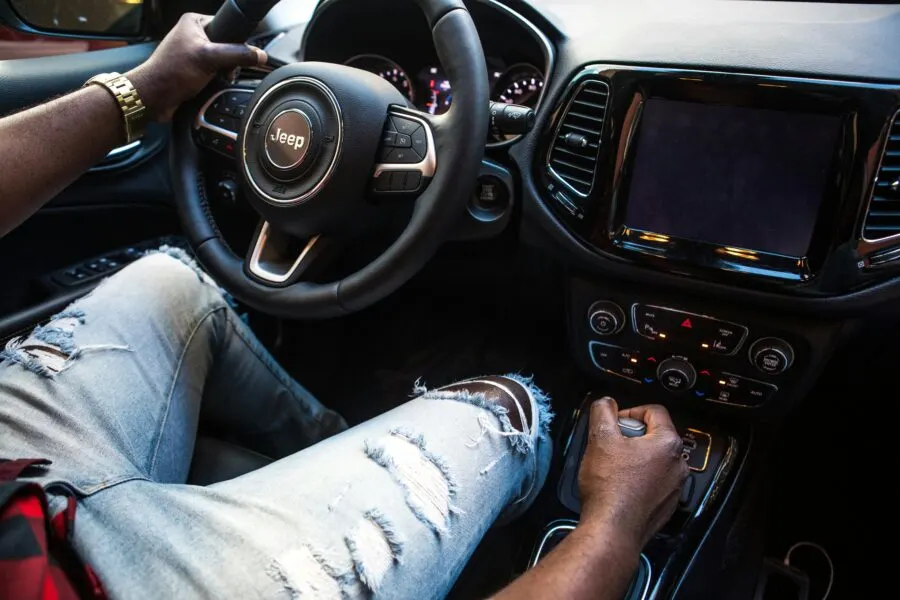
Various Types of TX Driver’s Licenses for Teens and Adults
Whether you’re an adult or teen if you’re just starting out as a driver, the same various types of licenses are probably going to apply. Getting an unrestricted driver’s license, meaning you can operate the vehicle without supervision, is a process. You may go through the following types of TX driver’s licenses:
- A Learner’s Permit
- Minor Restricted Driver’s License also known as a hardship license
- Provisional License
- Full Unrestricted Driver’s License
Adults can usually skip a couple of the steps if it’s their first time getting a driver’s license. This may even be true for teens over the age of 17.
Basic Texas Driver’s License Requirements
Teens are usually pretty anxious to start driving. Texas isn’t going to let a 13-year-old behind the wheel, but teens can enroll in driver’s education as soon as they turn 14. If they complete the driver’s ed class, they can get a learner’s permit when they’re 15. Yep, 15-year-olds can legally drive in Texas as long as they have a learner’s permit and a licensed adult driver in the passenger seat.
Teens starting at 15 can also apply for a Minor Restricted Driver’s License, but they must meet specific criteria. The special driving permit can be issued to teens who need transportation to a vocational school or are helping care for an ill relative. If your teen meets these requirements, it may be worthwhile to look into this special driver’s license. By the time their 16th birthday rolls around, teens can take the test for a full unrestricted driving license.
Driver’s license requirements for adults are a little different. Anyone 18 to 25 must take an adult driver education class. If you’re over the age of 25, guess what, you can skip school. However, the Lonestar State strongly encourages everyone to enroll in driver education classes no matter their age.
Everyone under 18 years of age must take both the driving course and the permit test. Yep, there’s a test. You’re also required to have at least 44 hours of supervised driving behind the wheel.
Getting Your Texas Learner’s Permit
You’ve made it through the easy driver’s ed course, so what’s your next step? You’re going to need to get some documents together. This is going to include:
- Certificate showing you completed Driver Ed
- Proof of ID
- Verification of enrollment and attendance in the class
- Proof of Social Security Number
- Documents verifying Texas residency (like utility bills)
- Proof of insurance
Your proof of insurance must match the vehicle you’re planning on driving. You also need to complete form DL-14A. You can download the form. Just fill out the fields and send it in. The form lets DPS know you’re applying for a learner’s permit.
Take the Learner’s Permit Test
The exam is pretty straightforward, it only covers things you should’ve learned in driver’s ed. Be prepared to take a vision exam. If you wear glasses or contacts, don’t forget to bring them with you.
You’re also going to need to make an appointment with DPS. You can’t just show up and take the test. Be ready to pay a processing fee, which usually ranges anywhere from $15 to $20. If you pass the exam, you walk out with your learner’s permit. You must practice with a licensed driver for 6 months before you can move on to the next step.
Getting a Provisional Driver’s License in Texas
After six months of driving with a learner’s permit, teens and adults can move up to a provisional driver’s license. You’re going to need to gather some documents:
- Proof of identity (birth certificate or passport)
- Proof of Social Security number (Social Security card or W-2 form)
- Two documents proving Texas residency (utility bill, lease agreement, etc.)
- Completed application for a driver’s license (DL-14A) with parent/guardian signature if under 18.
- Proof of completion of the Impact Texas Teen Driver Program (ITTD)
- You may also be asked to show proof of driver ed course completion so keep your certificate handy.
The next step is scheduling your driving test. Yep, this time you’re taking a road test instead of a written exam. The instructor will rate things like your braking, parking, turning, and ability to safely change lanes. Basically, you’re being tested on your ability to operate a motor vehicle safely. After passing, you have 90 days to take the Impact Texas Teen Driver program (ITTD).
After passing the course, you’re ready to apply for your full unrestricted Texas driver’s license. This is when you can finally ditch your supervisory adult licensed driver and handle the vehicle on your own.
Time to Get an Unrestricted Texas Driver’s License
An unrestricted driver’s license simply means you aren’t required to have a licensed adult driver in the vehicle with you. Since you’ve already taken the written and driving test along with the vision exam, you should be finished with these steps.
However if you have points on your learner’s permit or provisional license you may need to take another exam. Even a speeding ticket counts as a driving infraction. You must have a clean driving record to skip taking any more tests.
Be ready to provide documentation like proof of residency, photo identification, social security number, and certificate showing you successfully completed ITTD. There are also fees, but they’re not too expensive. You can check with DPS to get a list of any potential applicable fees. This is also where you go when it’s time to renew your TX driver’s license.