
Inside: Ensuring Safe Sleep: Guide to Blankets and Newborns. Collaborative post.
Are blankets and newborns safe together? For new parents, this is a pressing question. This guide covers the risks associated with blankets, when it’s safe to introduce them, and safer alternatives to ensure your newborn sleeps comfortably and securely.
Key Takeaways
- Blankets pose significant risks for newborns, including suffocation and increased chances of SIDS; following safe sleep guidelines is crucial.
- Experts recommend introducing blankets only after 12 months, using lightweight options and maintaining safe sleep practices.
- Safe alternatives like sleep sacks, layering clothing, and managing room temperature can keep babies warm without the risks associated with loose bedding.

Risks of Using Blankets for Newborns
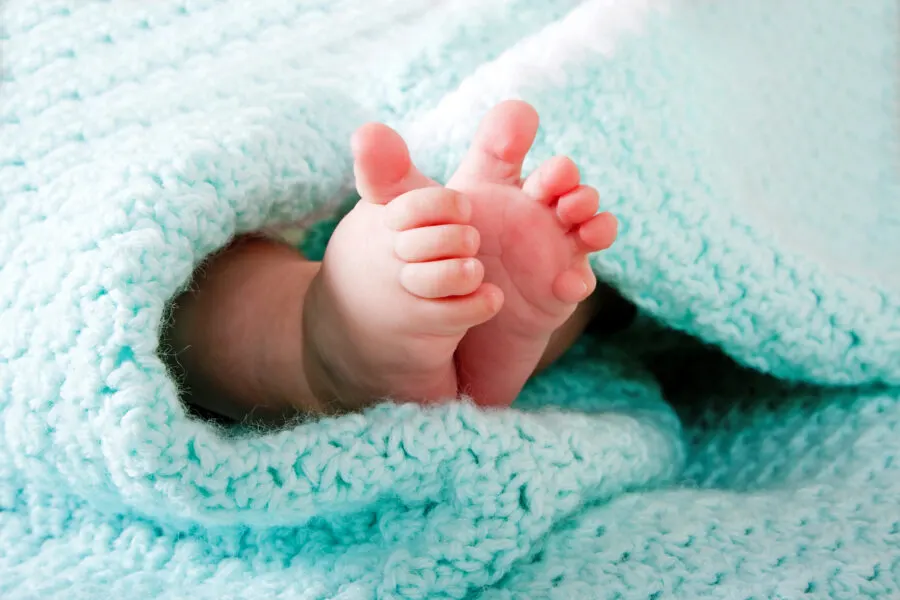
Using blankets in a baby’s crib can pose significant risks. One of the primary concerns is the potential for suffocation. A blanket can easily cover an infant’s face, blocking their airways and preventing them from breathing properly. This danger extends to other soft items like pillows and stuffed animals, which should also be kept out of the crib to avoid suffocation hazards.
Moreover, blankets are linked to an increased risk of sudden infant death syndrome (SIDS). SIDS primarily affects infants during their first six months but can occur up to one year of age. The use of blankets and other soft objects in the crib is strongly associated with this risk. Introducing a blanket too soon can significantly raise the likelihood of accidental suffocation and SIDS, which is why the American Academy of Pediatrics advises against allowing babies under 12 months to sleep with blankets.
To ensure a safe sleeping environment for your newborn, it is vital to follow safe sleep guidelines. This includes using only a fitted sheet in the crib and avoiding any additional bedding. Following these recommendations significantly lowers the risk of SIDS and other sleep-related infant deaths.
When Is It Safe to Introduce a Blanket?
Experts generally agree that the safest time to introduce a blanket to your child is when they are at least 12 months old, with many suggesting waiting until 18 months. This cautious approach helps to minimize the risk of suffocation and other sleep-related dangers. Introduce a lightweight blanket, securely tucked at the bottom of the crib, ensuring it doesn’t cover the child’s head.
Even at this stage, following safe sleep guidelines remains important. Avoid using heavy or bulky blankets that could pose a suffocation hazard and opt for lightweight blankets that provide warmth without the risk. These precautions help keep your baby warm and safe during the transition to sleeping with a blanket.


Alternatives to Blankets for Keeping Your Baby Warm
Keeping your baby warm without traditional blankets is both possible and recommended. Various safe alternatives can ensure your baby’s comfort and safety during sleep. These methods include sleep sacks and wearable blankets, layering your baby’s clothing, and effectively managing room temperature.
Each of these alternatives offers a unique way to maintain your baby’s body temperature without the risks associated with loose blankets. Exploring these options can help create a safe and cozy sleep environment for your little one.
Sleep Sacks and Wearable Blankets
Sleep sacks and wearable blankets are excellent alternatives to traditional blankets. These items provide warmth while eliminating the risks associated with loose bedding covering. They are designed to fit snugly around your baby, ensuring there are no loose edges that could cover their face and obstruct their breathing, much like a sleeping bag would, or sleeping bags would.
Choose a sleep sack that is the right size for your baby to avoid choking hazards. Opt for lightweight and breathable materials to prevent overheating, and always ensure the blanket does not cover your baby’s head. These precautions keep your baby safe and comfortable throughout the night.
Layering Baby’s Clothing
Layering your baby’s clothing is another effective way to keep them warm without the need for blankets. This approach allows for better temperature regulation by adding or removing layers based on room temperature and your baby’s comfort.
For optimal warmth, use multiple lightweight layers instead of bulky clothing. Always consider the cumulative effect of these layers to avoid overheating. Carefully layering your baby’s clothing maintains a comfortable and safe sleeping environment.

Room Temperature Management
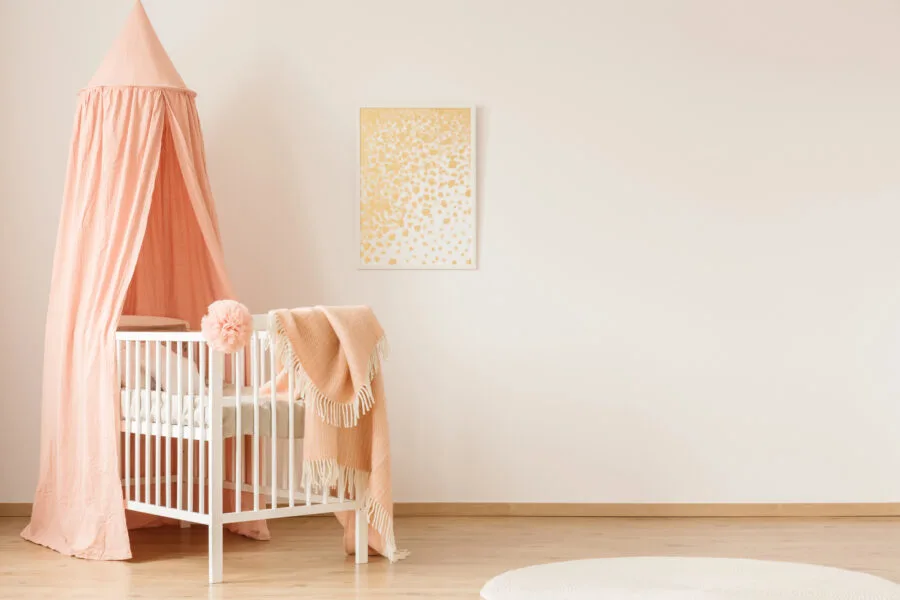
The right room temperature is crucial for your baby’s sleep. The ideal temperature range for a baby’s room is between 68 and 72 degrees Fahrenheit (16 to 20 degrees Celsius). Keeping the room within this range helps prevent your baby from getting too hot or too cold during sleep.
Ensure proper air flow and avoid direct sunlight to manage room temperature effectively. On warm days, close curtains or blinds and open a window to keep the room cool. A consistent and comfortable room temperature helps your baby sleep soundly and safely.
Choosing Safe Bedding for Newborns
Selecting safe bedding for your newborn prevents suffocation and overheating. Avoid using soft or bulky bedding, as these can pose significant risks. Opt for a firm mattress that fits snugly in the crib without gaps. This ensures your baby has a secure and safe sleeping surface.
It’s also important to keep cribs free of plush crib bumpers, stuffed toys, and other soft items that can suffocate babies. Second-hand mattresses should be avoided unless they are in excellent condition and properly sanitized, as they can increase the risk of SIDS. Regularly changing the sheets and using at least four sheets for convenience is recommended.
Following these guidelines creates a safe sleeping environment for your newborn, reducing risks associated with unsafe bedding.
Creating a Safe Sleep Environment
Creating a safe sleep environment involves more than just choosing the right bedding. It includes ensuring that your baby sleeps in a separate, clear area such as a cot or Moses basket, ideally in the same room as the parents for the first six months. This practice reduces the risk of SIDS by keeping your baby close but in their own safe space.
Avoid co sleep, as it increases the risk of suffocation from adult bedding and the possibility of the baby rolling off the bed, which can contribute to cot death. Keep the baby’s sleeping area free from loose items like blankets, pillows, toys, and stuffed animals, which can pose suffocation hazards. Use a firm mattress that fits snugly within the cot or Moses basket to support safe sleeping conditions.
Adhering to these safe sleep guidelines significantly reduces the risk of sudden infant death syndrome and other sleep-related dangers.
How to Avoid Overheating and Maintain Baby’s Body Temperature
Overheating is a common concern for parents, as it can lead to serious health issues for babies. Avoid overheating by not dressing your baby in too much bedding or clothing and keeping the room at a comfortable temperature. Check your baby’s temperature by placing a hand on their chest or tummy; it is normal for their hands and feet to feel cool.
Using breathable fabrics like organic cotton can help maintain your baby’s comfort without causing overheating. Always monitor your baby’s temperature and adjust their clothing or bedding as needed to keep them comfortable. If your baby shows signs of overheating, such as sweating or a hot tummy, remove some bedding to help cool them down.
Following these steps ensures your baby’s body temperature remains safe and comfortable during sleep.
Common Mistakes to Avoid in Infant Sleep Safety
Safe sleep practices are crucial for reducing the risk of SIDS and other sleep-related dangers in infants. One common mistake is placing babies to sleep on their stomach or side, which can obstruct their breathing if they lack the strength to reposition themselves. Always place your baby on their back for sleep to keep them safe.
Another mistake is using soft bedding, which can lead to suffocation. Avoid using pillows, stuffed animals, and other soft items in the crib. Ensure that the baby’s sleeping area is clear and free of any potential hazards. Avoiding these common mistakes creates a safer sleep environment for your baby.
Personalised Baby Blankets
Personalised baby blankets from WahooGifts offer a unique and sentimental touch, featuring your baby’s name, birth date, or other special details. While these blankets make for a wonderful keepsake, they should not be used in the crib until it is safe to introduce blankets. Instead, consider using them for tummy time or as a decorative item in the nursery.
While personalised blankets can be a lovely keepsake, they should not be used in the crib until it is safe to introduce blankets. Instead, consider using them for tummy time or as a decorative item in the nursery.
Using personalised baby blankets safely allows you to cherish these special items without compromising your baby’s safety.
Ensuring a safe sleep environment for your newborn is essential for their health and wellbeing. By understanding the risks associated with using blankets, knowing when it is safe to introduce them, and exploring safer alternatives, you can keep your baby warm and safe. Adhering to safe sleep guidelines, choosing appropriate bedding, and creating a safe sleep environment are all crucial steps in protecting your baby from sleep-related dangers.
As new parents, it’s important to stay informed and vigilant about your baby’s sleep safety. By following the tips and guidelines provided in this guide, you can rest assured that your sleeping baby is safe, comfortable, and well-cared for.
Frequently Asked Questions
When can I safely introduce a blanket to my baby?
It’s safest to introduce a blanket to your baby when they are at least 12 months old, ideally waiting until they are 18 months for added safety. This helps ensure your child’s well-being during sleep.
What are some safe alternatives to blankets for keeping my baby warm?
Safe alternatives to blankets for keeping your baby warm are sleep sacks and wearable blankets, along with properly layering clothing and maintaining a comfortable room temperature. This approach ensures your baby’s safety and warmth without the risks associated with loose bedding.
How can I tell if my baby is overheating?
To determine if your baby is overheating, feel their chest or tummy; if it’s hot to the touch or they are sweating, that’s a clear sign they need to cool down. Make adjustments to their clothing and environment immediately.
What should I avoid putting in my baby’s crib?
You should avoid putting soft bedding, pillows, stuffed animals, and any loose items in your baby’s crib to minimize the risk of suffocation and sudden infant death syndrome (SIDS).
Why is it important for my baby to sleep on their back?
It is crucial for your baby to sleep on their back to significantly lower the risk of suffocation and Sudden Infant Death Syndrome (SIDS). Ensuring this position during sleep can help keep your infant safe.