
The process of moving out of a rented property can be both exciting and stressful. Amidst the chaos of packing and planning for your new home, one crucial task often looms large: end of tenancy cleaning. This final clean is not just a courtesy; it’s typically a contractual obligation that can significantly impact the return of your security deposit.
Many tenants in London, overwhelmed by the prospect of leaving their temporary home in pristine condition, turn to end of tenancy clean London services for expert assistance.
Underestimating the Time Required
Realistic time assessment
One of the most significant mistakes tenants make is underestimating the time needed for a thorough clean. End of tenancy cleaning is far more intensive than your standard weekly tidying; it requires meticulous attention to every nook and cranny of the property.
Consequences of rushing the cleaning process
Rushing through the cleaning can lead to missed areas, subpar results, and potentially disputes with your landlord. A hasty job might mean overlooking stubborn stains, failing to properly clean high areas like ceiling corners, or neglecting less obvious spaces like the insides of kitchen drawers.
Neglecting Hidden Areas
Often-missed spots
Tenants frequently overlook areas that are not immediately visible during day-to-day living. These can include the insides of kitchen cabinets, behind large appliances like refrigerators and washing machines, the tops of door frames, and even skirting boards. Light fixtures, vents, and the spaces between radiator fins are also commonly forgotten.
Importance of thorough inspection
A comprehensive cleaning involves inspecting and cleaning every part of the property, no matter how hidden or seemingly insignificant. Use a systematic approach, working room by room, and don’t be afraid to move furniture to access all areas.
Using Incorrect Cleaning Products
Damage caused by harsh chemicals
Using the wrong cleaning products can not only be ineffective but can also cause damage to surfaces, leading to costly repairs or deductions from your deposit.
Importance of reading labels and instructions
Always read product labels and follow instructions carefully. Pay attention to recommended dilution rates and any specific surface warnings. When in doubt, opt for gentle, multi-purpose cleaners or seek advice from professionals.
Overlooking Appliance Cleaning


Common appliances to clean
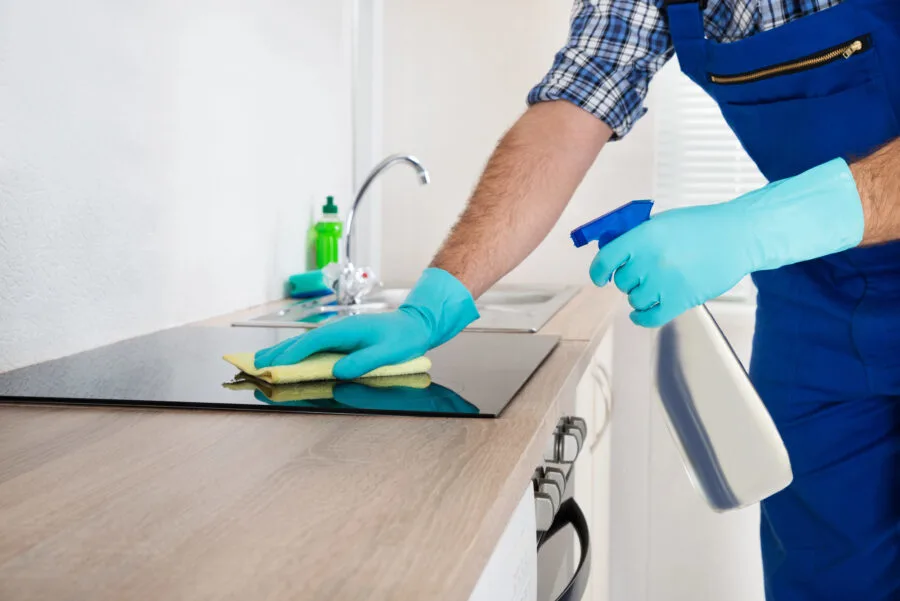
Tenants often forget that thorough appliance cleaning is a crucial part of end of tenancy cleaning. This includes descaling kettles and coffee makers, degreasing ovens and stovetops, cleaning out refrigerators and freezers (including defrosting if necessary), and addressing the often-neglected microwave.
Proper cleaning techniques for each
Oven cleaning often requires specialized products and adequate ventilation due to the strong chemicals involved. Refrigerators should be cleaned with mild, food-safe cleaners, while washing machines might benefit from a vinegar rinse to remove soap scum and mineral deposits.
Ignoring Wall Marks and Scuffs
Types of wall damages
Wall damages can range from small scuff marks and fingerprints to larger areas of chipped paint or nail holes from picture hangings. These are often overlooked during regular cleaning but can be a significant issue for landlords during the final inspection.
Appropriate cleaning methods
For minor marks, a magic eraser or gentle cleaning solution can work wonders without damaging the paint. Be cautious with colored walls, as aggressive cleaning might remove the paint color. For scuff marks, a slightly damp cloth with a mild detergent often suffices.
Failing to Clean Windows Properly
Common window cleaning mistakes
Many tenants clean only the inside of windows or use inappropriate tools, leaving streaks and smears. Another common oversight is neglecting to clean window frames, sills, and tracks, where dirt and grime can accumulate over time.
Effective window cleaning techniques
For a professional-level clean, use a squeegee and a proper window cleaning solution. Start from the top and work your way down, wiping the squeegee blade with a lint-free cloth between strokes. Don’t forget to clean window tracks, sills, and frames as well. For blinds, use a microfiber cloth or a specialized blind cleaner.
Neglecting Carpet and Upholstery Care

Importance of professional carpet cleaning
Most tenancy agreements require professional carpet cleaning at the end of the lease. Professional cleaning not only removes visible dirt and stains but also addresses deep-seated grime and allergens that regular vacuuming can’t reach.
DIY carpet cleaning pitfalls
Over-wetting the carpet can lead to mold growth and unpleasant odors, while using harsh chemicals can damage carpet fibers or leave residues that attract more dirt.
Forgetting About Outdoor Spaces
Balconies and patios
Outdoor areas are part of the property and should be cleaned thoroughly. This includes sweeping, removing cobwebs, and cleaning any outdoor furniture.
Gardens and sheds
If the property includes a garden or shed, ensure these are tidy, with all rubbish removed and any overgrown plants trimmed back. Mow the lawn, weed flower beds, and clear any fallen leaves or branches. Sheds should be emptied, swept, and organized. If you’ve made any changes to the garden during your tenancy, such as adding or removing plants, check your agreement to see if you need to return it to its original state.
Not Documenting the Cleaning Process
Importance of before and after photos
Taking detailed photos before and after cleaning can provide concrete evidence of the property’s condition.
Creating a cleaning checklist
A comprehensive checklist ensures no area is missed and can serve as proof of your thorough cleaning efforts. This checklist can be based on your initial inventory report and should include every room and outdoor space.
Skipping a Final Walkthrough
Benefits of a thorough final inspection
A final walkthrough allows you to catch any missed spots or issues before the landlord’s inspection. This is your last chance to ensure everything is up to standard. During this walkthrough, try to see the property through the eyes of your landlord or a professional inspector.
Addressing last-minute issues
Use this opportunity to address any small issues that might have been overlooked during the main cleaning process. This could include touching up scuffs on walls, giving skirting boards a final wipe, or ensuring all light bulbs are working.
Conclusion
End of tenancy cleaning is a critical task that requires careful planning, attention to detail, and often more time and effort than initially anticipated. By avoiding these common mistakes, you can significantly increase your chances of a smooth move-out process and the full return of your security deposit. Remember, the goal is not just to clean, but to restore the property to the condition it was in when you first moved in, accounting for normal wear and tear.