
Inside: Here’s How Kids Can Help Like Social Workers. Collaborative post.
Helping others isn’t just for adults. Kids can also make a big difference in their communities by taking on roles similar to those of social workers. Social workers are professionals who support and advocate for people in need, but young people can contribute in meaningful ways too. From volunteering to creating support networks, there are plenty of ways kids can practice these important skills.

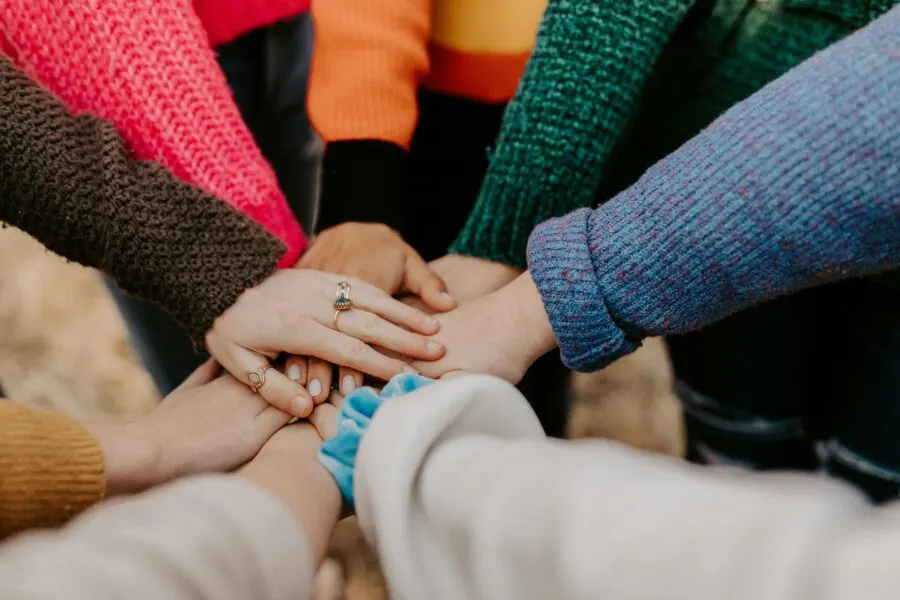
In this article, we’ll explore how kids can get involved and make an impact, just like social workers do. We’ll look at how learning about social work can inspire them, how they can volunteer and lead in school, and how they can use everyday actions and digital tools to support others.
By understanding these approaches, kids can start making a difference today and develop skills that will help them throughout their lives. Ready to dive in and see how kids can help like social workers?
Let’s explore the many ways young people can contribute and make a positive impact on their communities.
Understanding the Role of Social Workers
Social workers are professionals dedicated to improving the well-being of individuals and communities. They provide support in various areas, such as mental health, family dynamics, and community development.
Essential skills for social workers include empathy, problem-solving, communication, and resilience. They often work with vulnerable populations, advocating for their needs and connecting them with necessary resources.
To emulate social workers, kids need to grasp the core values of this profession. They should learn about empathy, listening skills, and the importance of support. By understanding these aspects, kids can begin to apply similar principles in their own lives, even in small, everyday actions.
How Social Work Programs Prepare Professionals
Doctorate social work programs offer advanced education for those seeking to make a significant impact in the field. These programs provide in-depth knowledge and specialized training that prepare professionals to tackle complex social issues. The curriculum often includes advanced research methods, policy analysis, and leadership skills.
While kids aren’t enrolling in doctorate programs, understanding that such advanced training exists can inspire them. It highlights the importance of education and specialized training in making a difference. Kids can aspire to grow and develop their own skills, appreciating that behind every social worker’s action lies years of dedicated learning and practice.
Volunteering in Local Community Programs
One practical way kids can engage in social work-like activities is through volunteering. Many communities offer programs that welcome young volunteers. These programs might include assisting at food banks, participating in community clean-up events, or supporting local shelters.
Volunteering teaches kids the value of giving back and helps them develop skills similar to those used by social workers. For example, volunteering at a community center can enhance communication and teamwork skills, while working at a food bank can foster empathy and organizational abilities. These experiences provide a hands-on approach to understanding and addressing community needs.
Organizing School-Based Initiatives
School environments offer numerous opportunities for kids to initiate and participate in programs that align with social work values. Starting or joining a school club focused on community service can be an effective way to engage. Clubs might focus on activities like peer mentoring, where older students support younger ones, or organizing charity events to raise awareness and funds for important causes.
Such initiatives not only provide a platform for kids to practice social work principles but also help them develop leadership and organizational skills. By taking the lead in school projects or participating actively, kids can make a tangible impact and learn about the importance of community involvement.
Participating in Youth Leadership Programs
Youth leadership programs are excellent avenues for kids to develop skills relevant to social work. These programs often focus on building leadership, teamwork, and problem-solving abilities. They provide opportunities for young individuals to take on responsibilities, work on community projects, and make impactful decisions.
Programs like student government, leadership camps, or local youth councils help kids practice skills such as public speaking, project management, and strategic planning. These experiences are not only empowering but also align with social work values by emphasizing service to others, advocacy, and community development.
Engaging in such programs can give kids a head start in understanding how to influence positive change, much like a social worker would.
Learning About Social Issues and Advocacy
Understanding social issues and engaging in advocacy are central to the role of social workers. Kids can begin to grasp these concepts by learning about various social issues, such as poverty, inequality, and environmental challenges. Schools, libraries, and online resources provide numerous ways for kids to educate themselves on these topics.
Encouraging kids to participate in awareness campaigns or advocacy projects can be a great way to apply their knowledge. For instance, they might create posters or presentations on important social issues or take part in school discussions. This kind of involvement helps kids understand the importance of being informed and proactive, aligning their actions with the principles of social work.
Engaging in Online Platforms for Social Good
In the digital age, online platforms offer unique opportunities for kids to contribute to social good. Social media, blogs, and other online tools can be powerful resources for raising awareness, organizing campaigns, and connecting with broader communities.
Kids can use these platforms to start initiatives, such as fundraising for a cause or creating content that highlights social issues. For example, they might run a blog about environmental conservation or use social media to promote a charity event. Engaging in online activism teaches kids how to leverage digital tools for advocacy and community impact, aligning with the outreach and educational aspects of social work.
Setting Personal Goals for Helping Others
Setting personal goals related to helping others can guide kids in aligning their actions with social work principles. These goals might include volunteering a certain number of hours, starting a new community project, or supporting a cause they are passionate about.
Encourage kids to think about what they want to achieve and how they can contribute positively to their communities. By setting specific, achievable goals, they can stay focused and motivated. This approach helps kids develop a sense of purpose and responsibility, similar to the goal-setting and impact assessment that social workers use in their professional practice.
Kids have many opportunities to engage in activities that mirror the impact of social work. By understanding the role of social workers and the advanced education that supports them, kids can appreciate the importance of empathy, support, and advocacy.
Volunteering, organizing school initiatives, and participating in leadership programs provide practical ways for kids to develop skills and make a difference. Learning about social issues, creating support networks, and using online platforms for social good further align their actions with social work principles. Setting personal goals reinforces their commitment to helping others.