
Inside: Get Back in Shape After a C-Section with These Safe Postnatal Exercises. Collaborative post.
Get ready to learn about the essential exercises that will help you regain your strength and fitness after a C-section.
Postnatal exercises for caesarean are specifically designed to aid in the recovery process and help you get back in shape. It’s important to consult with your doctor before starting any exercise program to ensure that you’re physically ready.
Getting up and walking around once you are home will help you heal faster and can help prevent blood clots. You should be able to do most of your regular activities in 4 to 8 weeks. Before then: Do not lift anything heavier than your baby for the first 6 to 8 weeks.
These exercises are safe and effective, targeting the muscles that may have been weakened during pregnancy and surgery. By incorporating postnatal exercise for caesarean into your routine, you can strengthen your core, improve your posture, and increase your overall fitness level.
These exercises can also help to prevent common postpartum issues such as back pain and urinary incontinence.
1. Walking
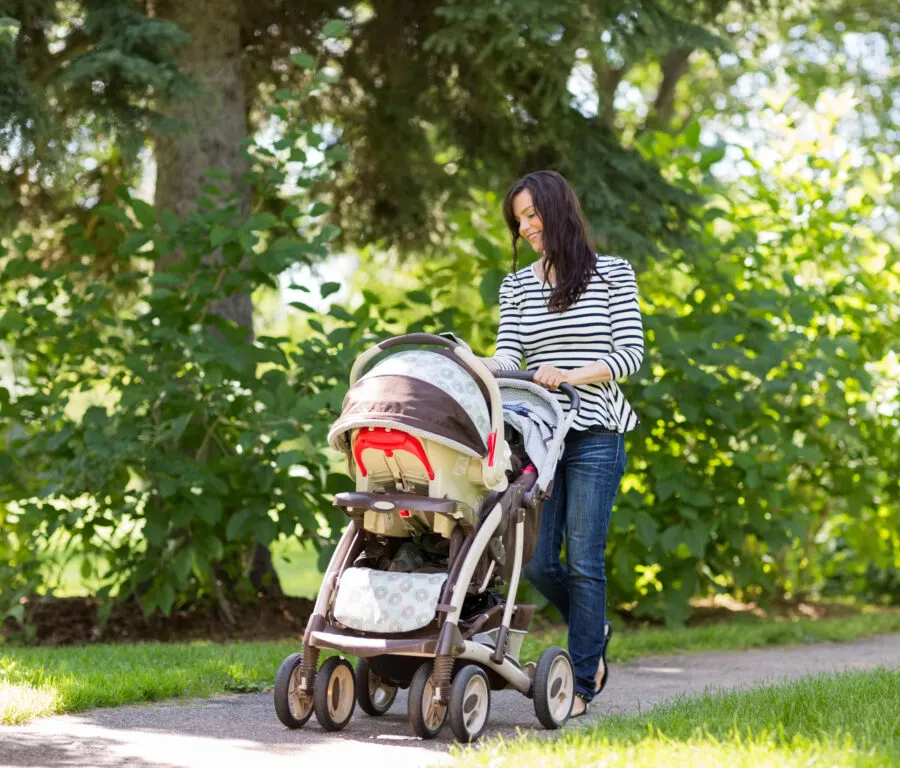
Start incorporating walking into your daily routine to gradually increase your activity level and aid in your postnatal recovery after a C-section.
Walking is a low-impact exercise that’s safe for most women after giving birth. It helps improve cardiovascular fitness and can assist in weight loss.
One of the advantages of walking is that it can be easily integrated into your daily life. You can start with short walks around your neighbourhood and gradually increase the distance and intensity as you feel more comfortable.
Walking also allows you to spend quality time with your baby, whether you choose to push them in a buggy or wear them in a carrier.
Although walking may be less challenging compared to other exercises, it’s a great way to get back in shape after a C-section.

2. Pelvic Floor Exercises (Kegels)
Contract and relax your pelvic floor muscles to strengthen them and improve postnatal recovery after a C-section. Pelvic floor exercises, also known as Kegels, offer numerous benefits for new mothers.
Here are three reasons why you should incorporate these exercises into your postnatal routine:
1. Say goodbye to urinary incontinence: Pelvic floor exercises can help reduce or even eliminate postpartum bladder control issues, giving you more confidence and freedom in your daily activities.
2. Speed up healing: By increasing blood flow to the pelvic region, Kegels promote healing and recovery after a C-section, helping you get back on your feet faster.
3. Boost overall core strength: Your pelvic floor muscles are an essential part of your core, and by strengthening them, you’ll improve your overall stability and support for your abdomen and lower back.
Here’s a step-by-step guide on how to perform kegel exercises:
1. Identify the correct muscles: To start, you need to locate your pelvic floor muscles. These are the muscles you use to stop the flow of urine mid-stream or to prevent passing gas. Sit on the toilet and try to stop your urine flow without using your abdominal, buttock, or thigh muscles. The muscles you engage during this process are your pelvic floor muscles.
2. Empty your bladder: Once you have identified the correct muscles, empty your bladder before starting the exercises. This ensures that your bladder is not full during the exercise, which could interfere with the effectiveness of the workout.
3. Get into a comfortable position: You can do kegel exercises in any comfortable position, such as sitting, lying down, or standing. It’s important to find a position that allows you to relax and focus on the exercise.
4. Contract your pelvic floor muscles: Tighten the pelvic floor muscles, as if you are trying to hold in urine or prevent the passage of gas. Squeeze these muscles and hold for a count of three to five seconds. Be careful not to tighten your buttock, abdomen, or thigh muscles. It should be a distinct contraction of the pelvic floor muscles.
5. Relax your muscles: After the contraction, release and relax your pelvic floor muscles for a count of three to five seconds. Take a moment to breathe deeply and relax your body.
6. Repeat the exercise: Aim to complete three sets of 10 repetitions each day. As you become more comfortable, you can gradually increase the duration of the contractions and relaxations, as well as the number of repetitions.
7. Be consistent: Like any exercise routine, consistency is key. Regularly perform kegel exercises to achieve optimal results. Some people find it helpful to incorporate kegel exercises into their daily routine, such as doing them during a feed or while changing a nappy.
Remember, kegel exercises should not be painful. If you experience any discomfort or have difficulty locating your pelvic floor muscles, it’s recommended to consult with a healthcare professional, such as a physical therapist, who can provide further guidance and assistance.
3. Modified Cobra
Feel the strengthening and stretching benefits of the Modified Cobra exercise as you engage your core and lengthen your spine. This exercise is a great way to target your back muscles and improve your posture after a C-section.
To perform the Modified Cobra, lie on your stomach with your hands positioned directly under your shoulders. Keep your legs straight and press the tops of your feet into the floor. As you inhale, gently lift your chest off the ground, using your back muscles. Keep your shoulders relaxed and avoid putting pressure on your abdomen. Exhale as you lower back down to the starting position.
Remember to listen to your body and stop if you experience any discomfort. With regular practice, the Modified Cobra can help you regain strength and flexibility in your back.
4. Bridge
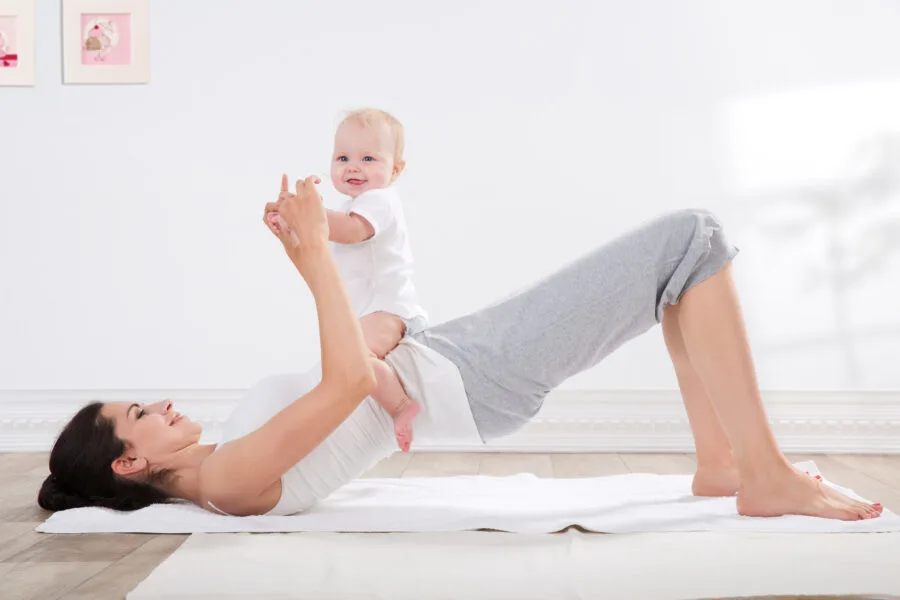
Lift your hips off the ground, engaging your glutes and core, while performing the Bridge exercise to strengthen your lower back and improve your stability after a C-section. This exercise is a great way to rebuild strength post-pregnancy.
Here are four reasons why you should incorporate the Bridge into your postnatal workout routine:
1. Improve posture: The Bridge exercise targets your glutes and lower back, helping to correct any imbalances caused by pregnancy. By improving your posture, you’ll feel more confident and comfortable in your own skin.

2. Boost energy levels: Engaging your glutes and core activates the muscles that support your spine, resulting in improved energy levels throughout the day, which can help your mood.
3. Enhance overall stability: The Bridge increases core stability, which is essential for performing daily tasks and preventing injuries. By strengthening your lower back and core, you’ll feel more balanced and grounded in your movements.
Incorporate the Bridge into your postnatal exercise routine to reap these benefits and get back in shape after a C-section. Remember to listen to your body and start with modifications if needed.
5. Leg Slides
To effectively engage your inner thighs and strengthen your core after a C-section, start incorporating leg slides into your postnatal exercise routine. Leg slides are a great way to target these areas while being gentle on your body.
Here’s how to do leg slides:
1. Lie on your back with your knees bent and feet flat on the floor.
2. Place a towel or exercise slider under one foot.
3. Slowly slide that foot away from your body, keeping your core engaged and your hips stable.
4. Then, slide the foot back to the starting position.
5. Repeat this movement for 10-12 reps on each side.
Leg slides not only work your inner thighs and core, but they also help improve your stability and balance. Remember to listen to your body and stop if you feel any pain or discomfort.
6. Postnatal Classes & Courses at Bluecoat Sports
Joining postnatal classes and courses can be a great way for you to regain your strength and fitness after a C-section. Not only do these classes offer expert instructors who are trained in postpartum recovery, but they also provide tailored exercises specifically designed for your needs.
The social interaction in these classes can be a source of support and encouragement, as you connect with other mothers going through a similar journey. Being surrounded by a community of women who understand your challenges can boost your motivation and make the journey to getting back in shape more enjoyable.
While it may require a membership, the benefits of joining postnatal classes and courses far outweigh the cost. Take the step towards your postpartum recovery today and reap the rewards both physically and emotionally.
You must have been signed off by your doctor (around 6-12 weeks depending on type of delivery) before starting any postnatal fitness programme. For postnatal women with children aged 0-12 months only.
7. Pilates
Improve your core strength and flexibility with Pilates exercises specifically designed for postnatal recovery.
Pilates is a great way to regain strength in your abdominal muscles after a C-section. It focuses on deep core muscles, which can help improve your posture and stability.


Pilates exercises are low-impact, making them a safe option for postnatal exercise. They can also help strengthen other muscles in your body, such as your glutes and back muscles.
However, it’s important to note that Pilates may require guidance from an instructor, especially if you’re new to the practice. They can ensure that you’re using the correct form and technique, which is crucial for avoiding injury.
Additionally, Pilates may not be suitable for everyone, so it’s important to consult with your healthcare provider before starting any new exercise routine.
Conclusion
It’s important for new mothers to gradually ease back into exercise after a c-section. Walking, pelvic floor exercises, modified cobra, bridge, and leg slides are safe postnatal exercises that can help regain strength and fitness. Many of these exercises you can do with your baby on your chest or while they’re doing their tummy time or a nap.
Postnatal classes and courses, such as Pilates, can also provide guidance and support. Remember to listen to your body and consult with your healthcare provider before starting any exercise routine.
Stay consistent and be patient with yourself as you work towards getting back in shape after a c-section. It can take a long time for your body to recover, it took around 9 months to get your body there, so expect it to take 9 months or more to get your body to where you want it.